
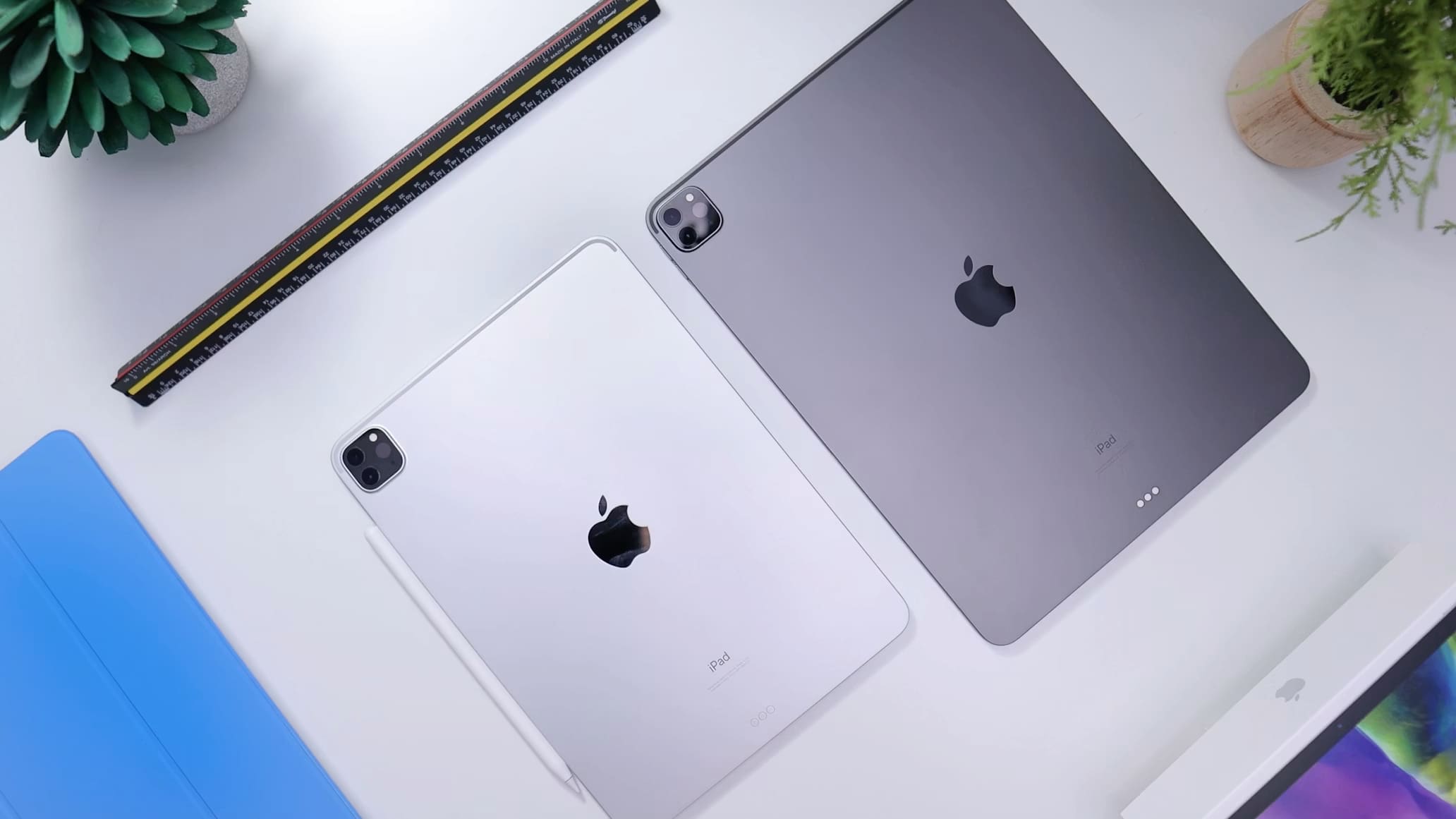
SAN FRANCISCO, June 25 (Parliament Politics Magazine) – Apple has officially increased the retail prices of its MacBook and iPad lineups, along with several accessories, by as much as $200. The company confirmed the decision on Thursday, stating that it could no longer absorb the escalating costs of memory and storage chips, which have been driven to record highs by the rapid construction of artificial intelligence data centers.
This price adjustment impacts a variety of hardware configurations across the Apple ecosystem. The changes are effective immediately across official retail channels. While the company has managed to shield consumers from these market fluctuations for several months, the current landscape of the component industry has forced a shift in pricing strategy to maintain margins.
Impact on Hardware Pricing
The most notable changes involve the company’s laptop and tablet divisions. The MacBook Neo, which was launched earlier this year to compete in the more affordable laptop segment, has seen its starting price move from $599 to $699. Meanwhile, the MacBook Air configured with 512 gigabytes of storage has increased from $1,099 to $1,299.
Professional-grade hardware also reflects these adjustments. The MacBook Pro model equipped with 1 terabyte of storage has risen from $1,699 to $1,999. In the tablet category, the iPad Air with 128 gigabytes of storage is now priced at $749, up from $559. The 11-inch iPad Pro now costs $1,199, compared to its previous price of $999, while the 13-inch version has moved from $1,299 to $1,499.
Beyond portable computers and tablets, Apple has also implemented smaller price increases for other hardware products, including its HomePod smart speakers and the Apple TV set-top box. Importantly, the company’s iPhone lineup remains unaffected by these specific updates for the time being.
The Role of AI Data Centers
The component market is currently experiencing what many industry analysts describe as a severe supply squeeze. This phenomenon, often referred to as RAMageddon, stems from the aggressive buildout of infrastructure designed to support artificial intelligence. Memory manufacturers are currently prioritizing high-bandwidth production to meet the demands of major data infrastructure corporations.
“We have never seen a component price increase this much, this quickly,” Apple said in a statement. “We have shielded our customers from these increases so far, but we have now reached a point where we need to begin raising prices on a number of products, including today’s increases for iPad and Mac.”
TrendForce, an industry tracking firm, reported that the price of dynamic random access memory a critical component in modern electronics rose by nearly 98 percent during the first quarter of 2026. Projections suggest that these costs could rise by an additional 58 to 63 percent during the current quarter.
Supply Chain Pressures
The current shortage is exacerbated by long-term supply commitments. Memory manufacturer Micron recently confirmed that it has secured over $22 billion in long-term supply agreements. These contracts effectively prioritize the needs of AI chipmakers over traditional consumer electronics manufacturers, leaving the latter struggling to secure necessary inventory.
Apple has historically utilized forward procurement to mitigate these risks. By signing massive, multi-billion-dollar advance contracts, the company has traditionally locked in chip prices up to a year in advance. This purchasing power allowed the company to keep its gross margins above Wall Street expectations earlier this year. However, as CEO Tim Cook noted during an April conference call, the company anticipated that rising memory costs would eventually have an increasing impact on the business beyond the June quarter.
Structural Shifts in the Consumer Tech Market
The ripple effects of this memory surge are not limited to a single company. Major technology firms, including Microsoft and Sony, have also implemented adjustments to their hardware pricing. Industry analysts suggest that this trend could lead to a significant slowdown in device sales throughout the remainder of the year.
Market research firm IDC estimates that the smartphone market could face an annual decline of nearly 14 percent, while the PC market is projected to fall by 11.3 percent. These figures reflect the difficulty that manufacturers face when attempting to balance consumer affordability with the realities of an increasingly expensive supply chain.
As the industry grapples with these structural challenges, concerns remain regarding how deep these price hikes will cut into market share for hardware manufacturers. The MacBook Neo, for instance, faces renewed competition from alternative devices that have not yet fully adjusted to the new component costs. Apple continues to emphasize that it is actively searching for solutions to stabilize the supply chain, though the current outlook remains focused on navigating a constrained global market.