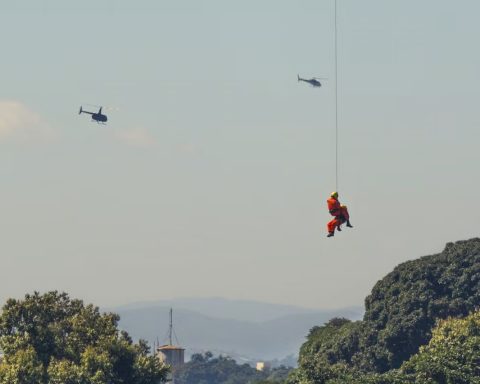
CARACAS, June 27 (Parliament Politics Magazine) – Rescue crews and desperate residents raced to find survivors on Friday as the official death toll from twin earthquakes in Venezuela climbed to 920 fatalities. Nearly two days after the powerful tremors struck, the scale of the disaster continues to unfold across the country.
The government confirmed that 172 people remain trapped beneath the rubble of collapsed buildings, while over 50,000 individuals have been registered as missing on tracking websites. The twin quakes, recorded at magnitudes of 7.2 and 7.5, struck on Wednesday evening, with the second event marking the most powerful seismic disturbance in the nation in over a century.
In addition to the high death toll, officials reported that 3,360 people have been injured. A United Nations report estimates the direct structural damage caused by the disaster at $6.7 billion.
Hardest hit regions face deep crisis
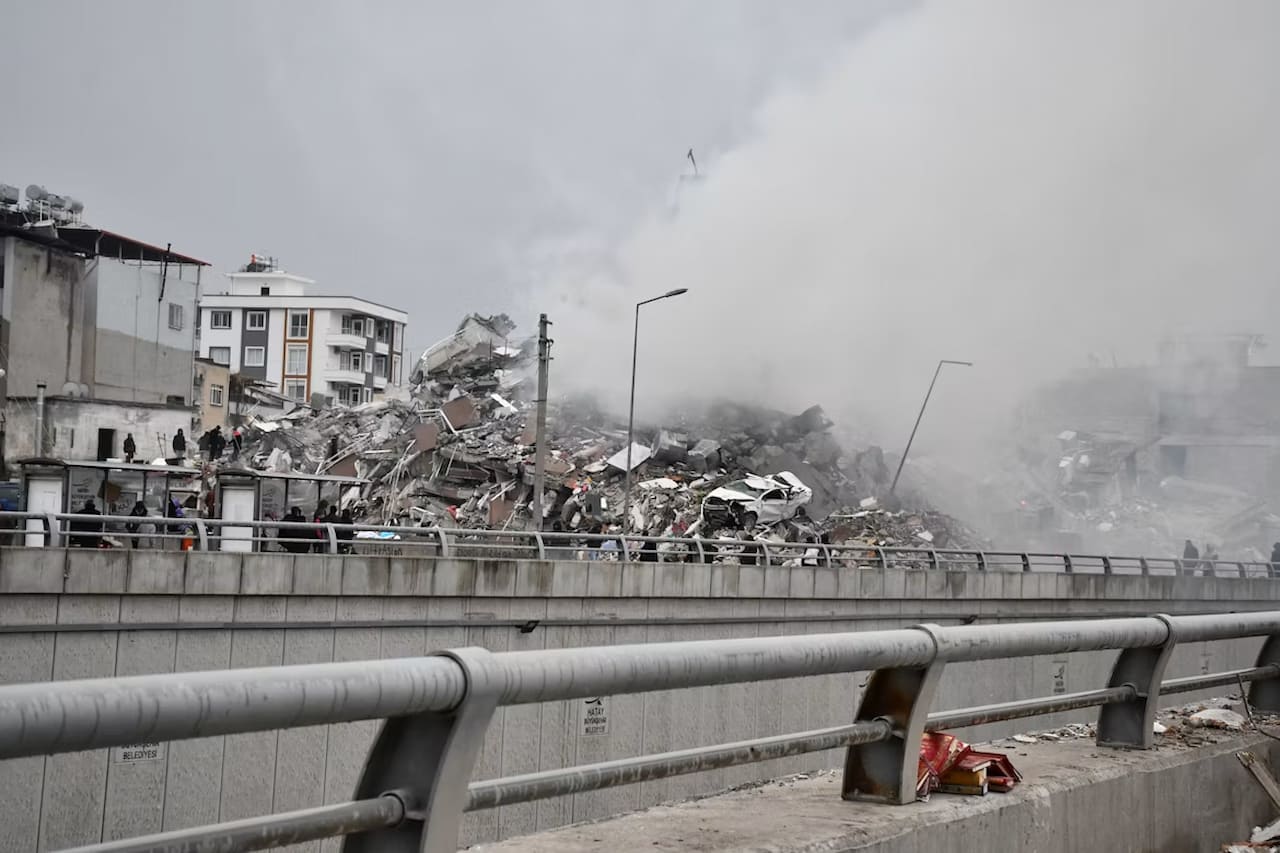
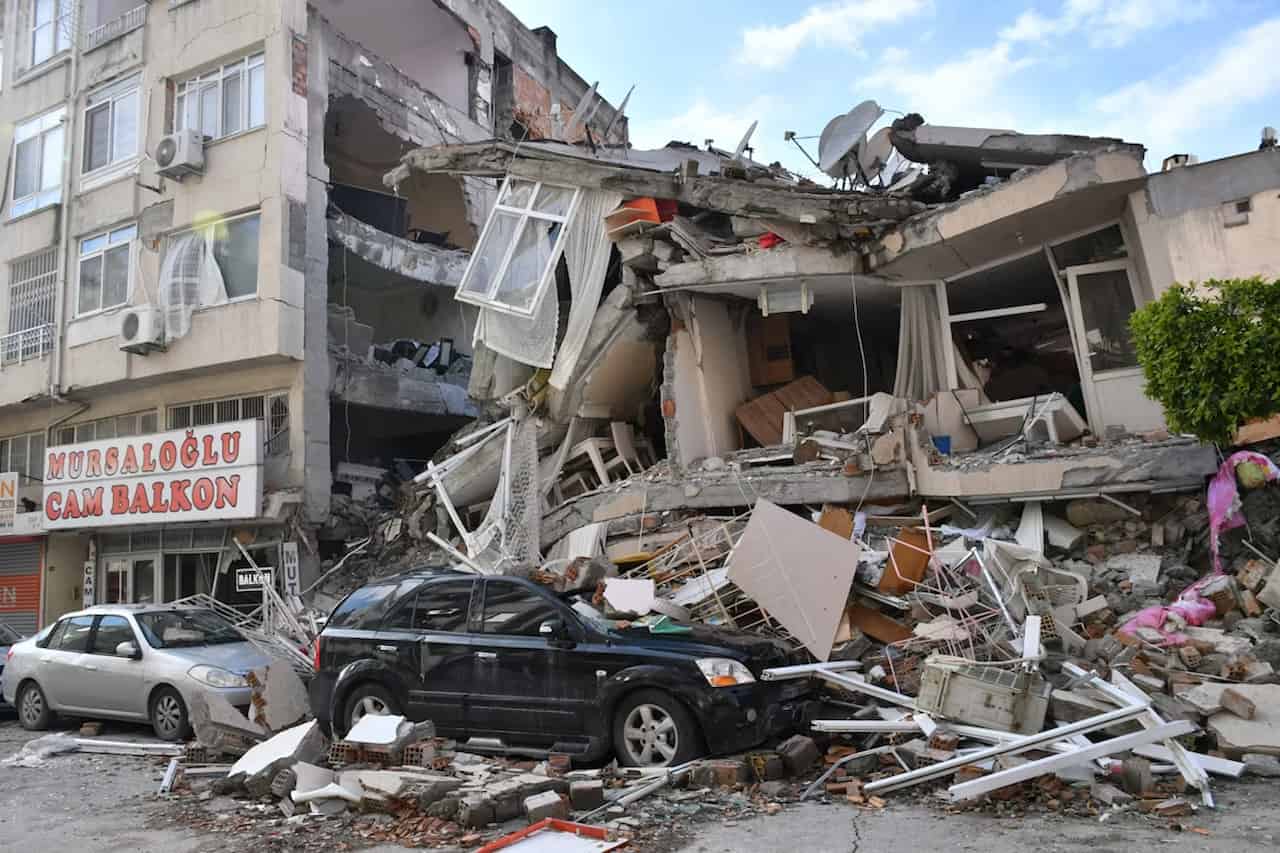
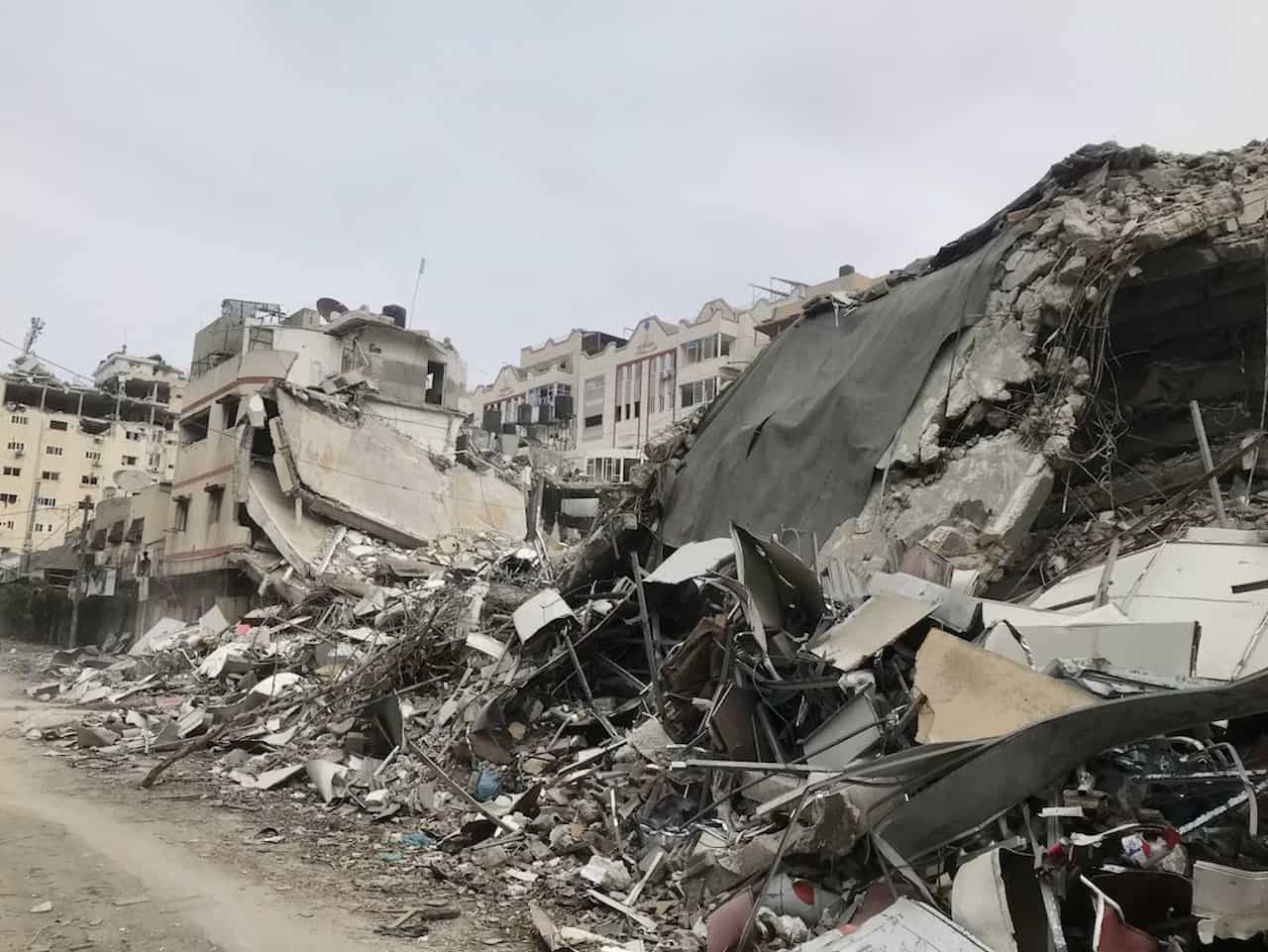
The state of and parts of the capital city of Caracas sustained the heaviest destruction. Residents and volunteers have been forced to dig through flattened high-rise apartments by hand, hampered by a severe shortage of heavy machinery such as cranes.
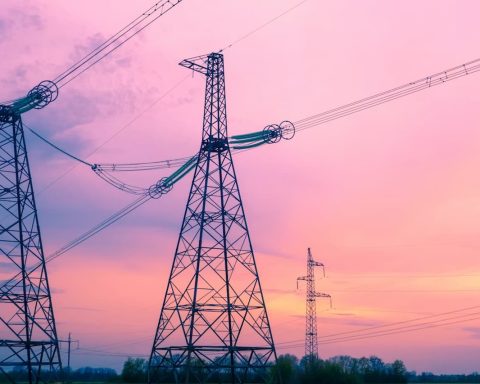
Infrastructure failures further complicate the rescue operations. Towns such as Moron remain entirely without electricity, while heavily cracked highways have created major bottlenecks for incoming aid. To clear paths for emergency vehicles, Interim President Delcy Rodriguez announced strict travel restrictions into La Guaira to manage traffic jams caused by private vehicles.
“It’s the community that has managed to get people out alive, We need them to bring cranes to move the slabs. There are still people trapped”, said 25-year-old Jennifer Palacios, who noted that her son and five other relatives remain buried in a housing complex in La Guaira.
International aid teams deploy to region
Foreign rescue units have begun arriving to assist local civil protection forces. A 50-member team from El Salvador is currently operating in the beachside neighborhood of Los Corales, utilizing drones, heat scanners, and canine units to search the remains of 10-story buildings.
The United States has mobilized $150 million in emergency aid and temporarily eased economic sanctions to facilitate relief. The U.S. military also deployed two ships, alongside helicopters and aircraft, to support logistical operations. Specialized rescue units from Germany, the Netherlands, and Italy are also en route to the country.
Despite the arrival of aid, frustration continues to mount over the uneven pace of relief efforts in areas like La Guaira. While some volunteers ferried supplies on motorcycles from Caracas and Valencia, officials have requested that civilians stay away from the city to prevent further road congestion.
Social pressures escalate
The aftermath of the disaster poses a significant test for the interim government. President Rodriguez has pledged a major relief deployment, even as the humanitarian crisis strains a nation already weakened by years of economic and political turmoil.
Evidence of the chaos was visible in Catia la Mar, where local witnesses observed residents removing food items, such as bread and cooking oil, from damaged stores. Police and the national guard did not intervene in the looting incidents.
Meanwhile, the legal process for managing the casualties remains difficult. In the town of Caraballeda, relatives expressed frustration over the lack of forensic authorities, noting that bodies pulled from rubble have been left at sites for extended periods without official processing.
The United States Geological Survey has warned that the final death toll could be significantly higher, with projections suggesting more than 10,000 fatalities are possible. Such a figure would rank this event among the deadliest earthquakes in Latin America in the last century.
Oil production in the country has not been affected by the earthquakes, according to Oil Minister Paula Henao. She stated in a radio interview that fuel distribution would be guaranteed, and executives within the energy sector confirmed that major infrastructure avoided critical damage.