
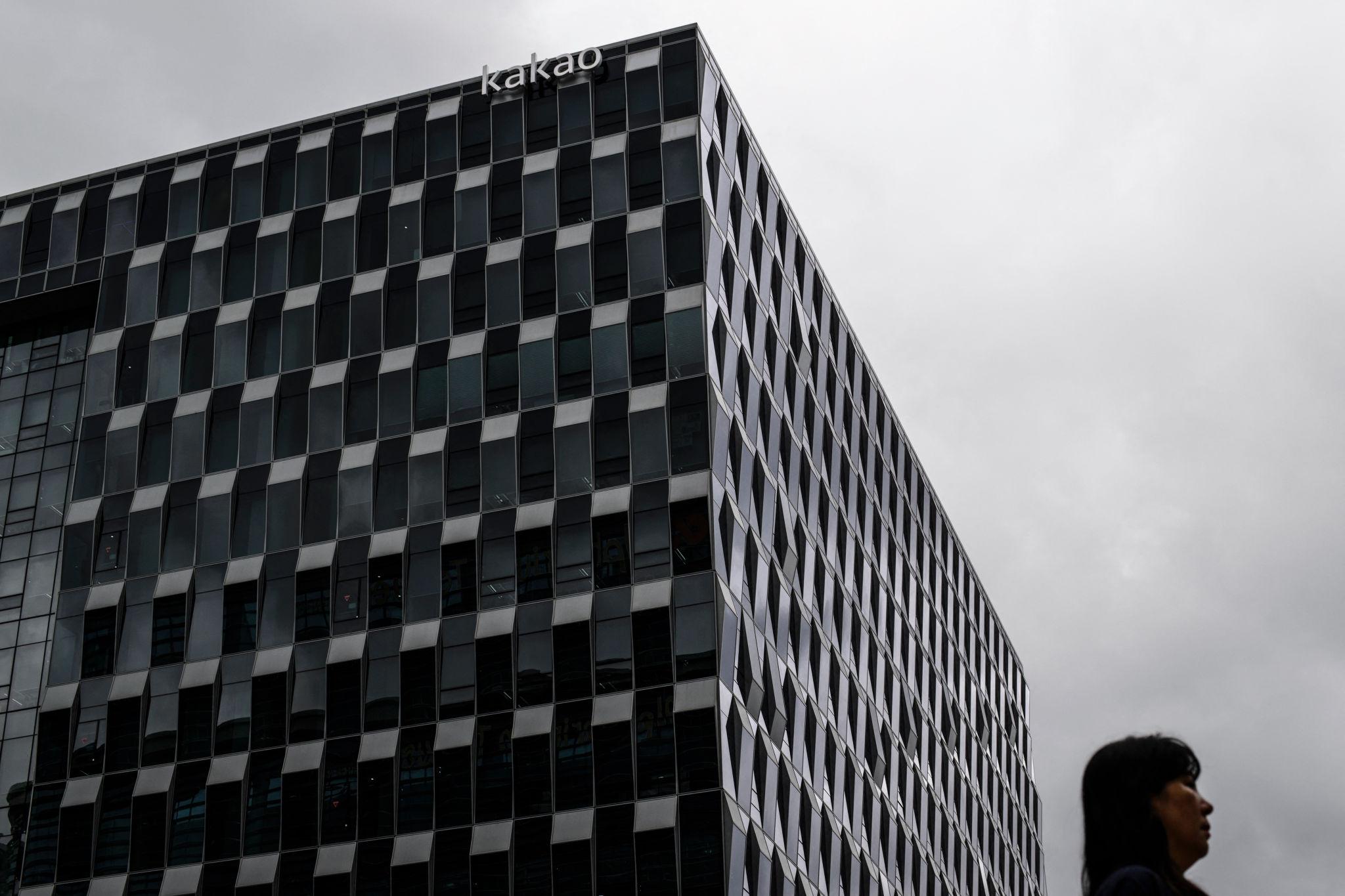
SEOUL, South Korea – May 28, 2026 (Parliament Politics Magazine) Asian tech sector wages moved into focus after South Korean technology giant Kakao confirmed that negotiations with its labor union failed to produce a final wage agreement. The breakdown in talks has raised broader concerns about employee dissatisfaction and labor tensions across Asia’s rapidly expanding digital economy.
Kakao employees reportedly demanded stronger compensation increases and improved workplace protections as inflation and living costs continue rising throughout South Korea. Company management remained cautious during negotiations amid slowing global growth and rising operational costs linked to artificial intelligence investments and digital infrastructure expansion.
The failed negotiations come at a critical time for Asia’s technology industry as companies throughout the region face increasing pressure from workers demanding better pay, stronger benefits, and improved work-life balance.
Kakao Wage Talks Draw Regional Attention
The collapse of discussions involving Asian tech sector wages is being closely monitored by investors, labor groups, and economic analysts throughout Asia. Technology workers across South Korea, Japan, Singapore, and Taiwan have increasingly voiced concerns about wage growth failing to keep pace with inflation and rising housing costs.
Kakao remains one of South Korea’s most influential technology firms, operating major digital services tied to messaging, fintech, entertainment, and online commerce. Analysts believe the outcome of future negotiations may influence labor discussions involving other major Asian technology companies.
A Seoul-based labor analyst stated:
“Technology companies across Asia are facing growing pressure to improve employee compensation while maintaining profitability.”
The comments reflect a broader shift taking place within Asia’s digital workforce as highly skilled employees gain stronger bargaining power.
Inflation Continues to Impact Technology Workers
One of the major drivers behind the debate surrounding Asian tech sector wages is the continued increase in living expenses throughout major Asian cities. Housing costs, transportation expenses, and food prices have significantly increased financial pressure on younger professionals working within the technology industry.
Many employees argue that rapid digital expansion and artificial intelligence development have increased workloads without corresponding salary growth. Technology firms across Asia continue investing heavily in AI systems, cybersecurity infrastructure, cloud computing, and automation projects, placing additional pressure on highly skilled workers.
Economic experts warn that unresolved labor tensions may eventually affect hiring confidence and workforce stability within the sector.
Investors Watch Labor Stability Closely
Financial markets are paying close attention to disputes involving Asian tech sector wages because labor instability can directly impact operational performance and long-term profitability.
Technology companies depend heavily on engineers, developers, cybersecurity specialists, and AI researchers. Any prolonged labor dispute could increase concerns regarding delayed innovation, reduced productivity, and reputational risks.
Although Kakao has not announced any operational disruptions, analysts believe investors may become increasingly cautious if negotiations remain unresolved for an extended period.
A regional technology strategist said:
“Stable labor relations are becoming increasingly important for companies competing in the global digital economy.”
The statement highlights how labor stability is now viewed as an important factor in maintaining long-term investor confidence.
Technology Employees Demand Workplace Reforms
The growing focus on Asian tech sector wages also reflects broader concerns regarding workplace culture and employee protections within Asia’s competitive technology industry.
Workers increasingly demand better work-life balance, greater transparency regarding restructuring plans, and improved career stability. Younger professionals entering the digital workforce are becoming more willing to challenge traditional corporate structures that historically emphasized long working hours and hierarchical management systems.
Industry experts believe labor activism within the technology sector will likely continue growing as employees seek compensation structures that better reflect rising workloads and digital industry profits.
Historical Cycles of Technology Labor Trends
The debate surrounding Asian tech sector wages reflects larger labor patterns tied to Asia’s economic modernization and digital transformation.
Historical Cycles Table
| Period | Major Trend | Industry Impact |
|---|---|---|
| 1990s | Manufacturing expansion | Rising industrial wages |
| 2000s | Technology outsourcing growth | Rapid digital hiring |
| 2010s | Startup and platform expansion | Increased demand for tech talent |
| 2020s | AI and automation growth | Rising wage disputes and labor activism |
Experts say Asia’s technology workforce is entering a new phase where skilled employees hold stronger negotiating influence than in previous decades.
Governments Monitor Technology Labor Developments
Governments throughout Asia are monitoring developments involving Asian tech sector wages because the technology industry now plays a major role in economic growth, exports, and innovation.
South Korean policymakers have increasingly focused on workplace reforms aimed at improving employee protections and reducing burnout within highly competitive industries. Similar labor discussions are also taking place in Japan, China, and Singapore as governments attempt to maintain strong digital economies while addressing worker concerns.
Analysts believe labor stability will become increasingly important as countries compete for technology investment and skilled digital talent.
Key Data Overview
| Category | Details |
|---|---|
| Company | Kakao Corp |
| Industry | Technology / Digital Platforms |
| Main Issue | Wage negotiations |
| Country | South Korea |
| Focus Area | Employee compensation |
| Labor Status | No agreement reached |
| Investor Concern | Workforce stability |
| Year | 2026 |
Future Outlook for Asia’s Technology Workforce
Analysts expect disputes involving Asian tech sector wages to continue throughout 2026 as companies attempt to balance profitability with rising employee expectations.
Future labor negotiations across Asia’s technology industry may increasingly focus on hybrid work policies, bonus structures, artificial intelligence workloads, and employee protections tied to restructuring efforts.
Kakao and its labor union are expected to continue discussions in the coming weeks. However, the failed negotiations have already become an important symbol of the broader labor challenges facing Asia’s digital economy.
What Comes Next for Asia’s Tech Industry
The growing debate over Asian tech sector wages highlights a major shift occurring throughout Asia’s technology industry. Workers are increasingly demanding higher compensation, stronger workplace protections, and improved transparency from major corporations operating in the digital economy.
As artificial intelligence investments continue accelerating across Asia, labor relations may become one of the most important long-term challenges facing the region’s technology sector.