

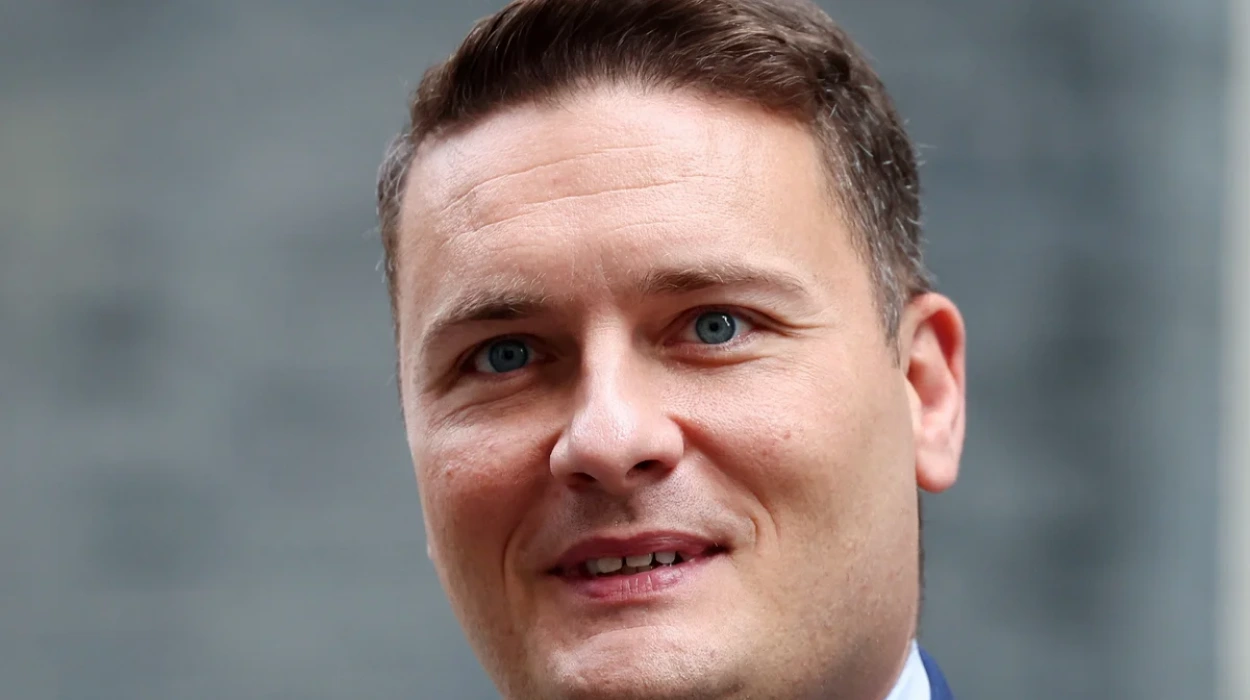
UK (Parliament Politics Magazine) – British Medical Association accuses Health Secretary Wes Streeting of “scaremongering” over NHS flu pressures ahead of resident doctors’ strike.
As reported by The Standard, Wes Streeting has been accused of “scaremongering” by the British Medical Association after his warning that upcoming strikes could strain the NHS amid rising flu cases.
The BMA blamed the Health Secretary’s approach as “cruel and calculated” and criticized the Government’s offer to prevent strikes as “poor.”
From 7 am on December 17, a strike will take place for five consecutive days unless the union’s resident doctors vote in favour of the Government agreement.
What did Dr Jack Fletcher say about Wes Streeting’s comments on the NHS flu crisis?
On Saturday, the BMA’s resident doctors committee head, Dr Jack Fletcher, said,
“It is horrible for anyone to be suffering with flu, we are not diminishing the impact of that, but Mr Streeting should not be scaremongering the public into thinking that the NHS will not be able to look after them and their loved ones.”
He stated that the Health Secretary was
“laying the blame for the failings of the NHS to cope with an outbreak of flu at the feet of resident doctors and yet he is strangely reluctant to turn that concern into action and come to the negotiating table.”
“What is cruel and calculated is the way in which the Health Secretary fails to have any engagement with us outside strikes and then comes to us with an offer he knows is poor and expects us to just accept it within 24 hours,”
Dr Fletcher added.
What did the BMA tell NHS trusts about prioritising urgent care during strikes?
Citing Wes Streeting’s remarks on flu and strikes, the union told NHS trust leaders to focus on maintaining safety in urgent care.
BMA council chairman Dr Tom Dolphin wrote in a letter that,
“Given the recent claims and comments made by the Secretary of State regarding influenza, we trust that you will have rescheduled all less urgent activity to prioritise the safety of urgent and emergency care.”
He explained that the union acknowledged that “unpredictable events” and “major incidents” could arise, allowing resident doctors to request a derogation to work across the picket line.
Dr Dolphin added that derogations will not be approved
“if no planning has been done to redeploy non-striking doctors for emergency work, or if non-urgent work continues that could free staff.”
What did Wes Streeting say about NHS strikes and flu pressures?
Wes Streeting has raised “genuine fears” for the NHS if next week’s resident doctors’ strike goes ahead, saying patient safety could be at risk amid a severe flu surge.
Mr Streeting said flu is placing
“probably the worst pressure the NHS has faced since Covid,”
warning the health service is “at one minute to midnight.”
The Health Secretary added that hospital cases could triple at the peak, calling the conditions “inexcusable” and warning the strike might be the “Jenga piece” to collapse the system.
What did Sir Keir Starmer say about resident doctors’ strikes and NHS risks?
British Prime Minister Sir Keir Starmer warned that strikes next week should be “reckless” and urged doctors to accept the deal, describing it as “beyond belief” during a “super flu” outbreak.
The Labour leader warned that the NHS is at its “most precarious moment” since the coronavirus pandemic.
The Prime Minister said the protests
“should not happen. They are reckless. They place the NHS and patients who need it in grave danger.”
Mr Starmer added,
“I remain hopeful they can be averted. A good deal is on the table, and the British Medical Association (BMA) is putting it to members this weekend. My message to the doctors is simple – take it.”
He said the most recent offer could see the BMA postpone industrial action until post-Christmas.
“The ‘super flu’ epidemic now sweeping the country means this is the NHS’s most precarious moment since the pandemic,”
the Prime Minister stated.
Mr Starmer continued,
“In fact, resident doctors’ colleagues will be cancelling operations, cancelling their Christmas leave and preparing for this coming storm. The idea that strikes could still take place in this context is frankly beyond belief.”
Why are resident doctors striking?
The strike by resident doctors is over two main issues: pay that has fallen in real terms since 2008, and a shortage of specialist training posts and job security.
The union has demanded “full pay restoration” to reverse the long-term decline, arguing that recent increases of nearly 30% do not offset long-term inflation losses.
The BMA highlighted that student loan interest is linked to RPI, a higher inflation measure. Using CPI, the government says pay is fair, but Nuffield Trust analysis shows a 5% pay decline since 2008, rising to nearly 20% by RPI.
According to the pay review body, resident doctors should earn £38,831–£73,992 for a 40-hour week, but they are still receiving last year’s rates while awaiting the updated pay.