

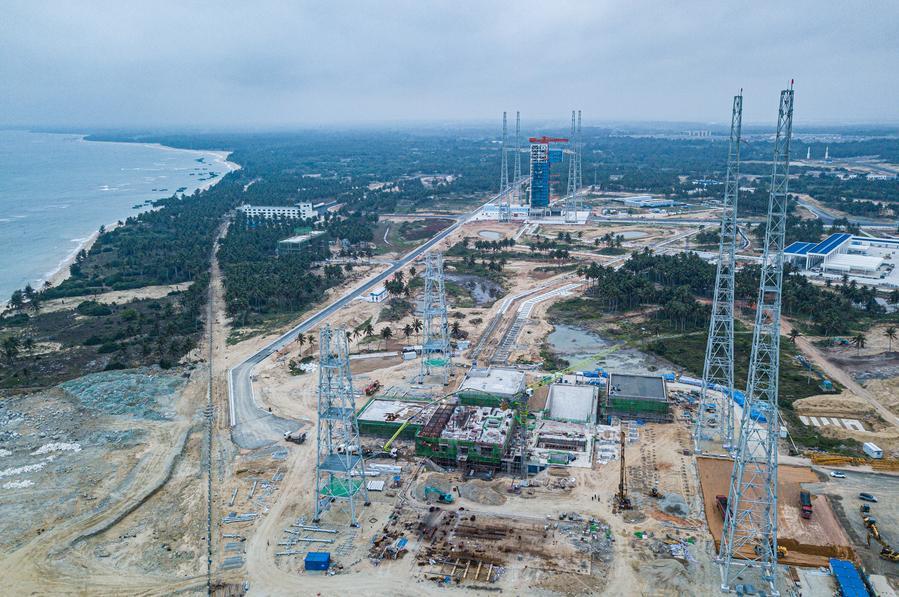
Beijing, China, April 18, 2026 (Parliament Politics Magazine) China space infrastructure is entering a new phase of aggressive expansion in Beijing, China (2026), as officials prepare to launch a large-scale satellite town designed to support the country’s growing aerospace ambitions. The development reflects a broader national strategy focused on strengthening technological independence, boosting satellite production, and positioning China as a dominant force in the global space economy.
The project is being closely monitored by international markets, policymakers, and defense analysts, as it highlights how space technology is becoming a critical pillar of economic and geopolitical power.
A Bold Investment in Aerospace Growth
The satellite town initiative marks a significant investment in China space infrastructure, aiming to centralize aerospace research, manufacturing, and innovation. The project will integrate advanced laboratories, production facilities, testing zones, and residential communities into a single ecosystem designed for efficiency and rapid development.
Experts believe this centralized model will streamline operations and reduce delays often associated with fragmented supply chains.
One industry observer stated:
“China is building a fully integrated space ecosystem. This approach could dramatically accelerate innovation and reduce the time it takes to bring new satellite technologies to market.”
Why China Space Infrastructure Matters Now
The expansion of China space infrastructure comes at a time when global reliance on satellite systems is increasing. From communication networks to navigation and defense systems, satellites are becoming essential to modern economies.
This new satellite town is expected to:
- Increase production capacity for satellites
- Enhance collaboration between public and private sectors
- Accelerate deployment of advanced space technologies
- Strengthen national security capabilities
By consolidating resources, China is aiming to gain a competitive edge in a sector that is rapidly evolving.
Inside the Satellite Town Vision
Unlike traditional industrial parks, the satellite town is designed to function as a complete ecosystem. It will include residential areas, research institutions, and commercial facilities, allowing professionals to live and work in close proximity.
Key features of the development include:
- State-of-the-art satellite manufacturing plants
- Research centers focused on next-generation technologies
- Testing and launch preparation facilities
- Housing and infrastructure for engineers and scientists
This integrated approach is expected to improve productivity and foster innovation within the aerospace sector.
Rapid Momentum in China’s Space Industry
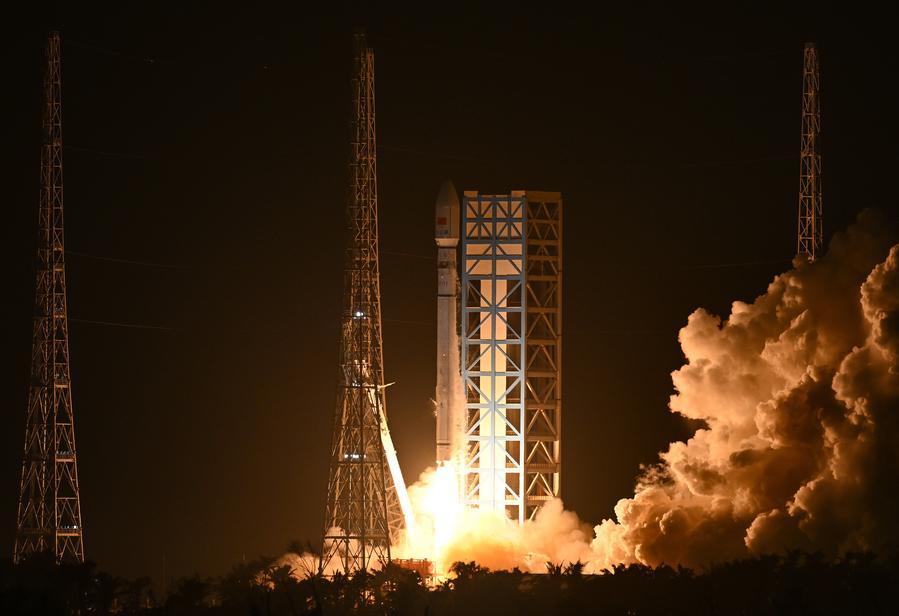
China’s space program has experienced rapid growth over recent years, driven by increased investment and long-term strategic planning. The expansion of China space infrastructure is a continuation of this momentum.
The country has made notable progress in:
- Satellite deployment and launch capabilities
- Space station development
- Commercial space ventures
- Earth observation technologies
Analysts suggest that the satellite town could further accelerate these advancements, making China a key player in the global space economy.
Global Impact and StrategicCompetition
The rise of China space infrastructure is expected to intensify competition among major global powers. As China expands its capabilities, other nations may be forced to increase their own investments in aerospace technology.
Potential global impacts include:
- Increased competition in satellite markets
- Shifts in global technology leadership
- Expansion of space-based internet services
- Heightened geopolitical tensions
A policy expert noted:
“Space is no longer just about exploration. It is about influence, security, and economic power.”
Economic Benefits and Job Creation
The satellite town is projected to generate significant economic benefits, both locally and nationally. By attracting skilled workers and fostering innovation, the project could create thousands of high-value jobs.
Expected economic outcomes include:
- Growth in high-tech employment sectors
- Increased foreign investment opportunities
- Expansion of supporting industries
- Strengthened regional development
The integration of living and working spaces is also expected to create a sustainable community centered around technological advancement.
Innovation Driving the Future
At its core, the expansion of China space infrastructure is about innovation. The satellite town will focus on developing cutting-edge technologies that can shape the future of space exploration and satellite applications.
Areas of innovation include:
- Advanced communication systems
- AI-driven satellite operations
- Earth monitoring and data analytics
- Navigation and positioning technologies
These advancements could have far-reaching implications for industries ranging from telecommunications to environmental monitoring.
Challenges Facing the Expansion
Despite its ambitious scope, the project faces several challenges. Analysts have raised concerns about:
- High construction and operational costs
- Technological complexities
- International regulatory pressures
- Environmental impact
However, many experts believe that the long-term benefits of expanding China space infrastructure will outweigh these risks.
A Long-Term Vision for Space Leadership
The satellite town initiative is part of a broader vision to establish China as a leader in space technology. By investing in infrastructure today, the country is preparing for future advancements in space exploration and commercialization.
This long-term strategy includes:
- Expanding satellite networks
- Enhancing space exploration capabilities
- Strengthening global partnerships
- Developing new commercial opportunities
A government advisor commented:
“This is not just about today’s technology. It is about building the foundation for the next generation of space innovation.”
What Comes Next for the Global Space Industry
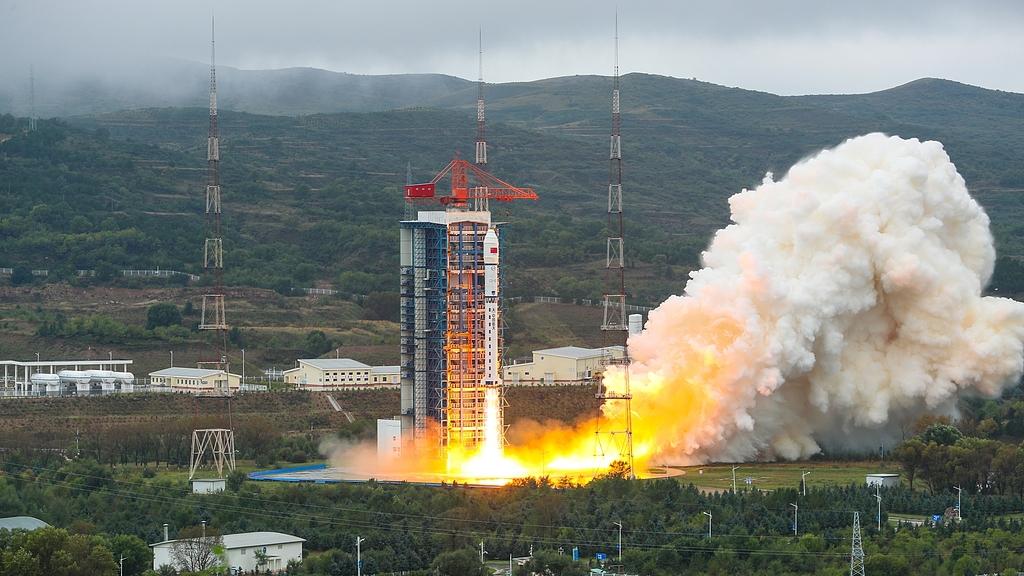
The expansion of China space infrastructure could reshape the global aerospace landscape. As competition intensifies, innovation is expected to accelerate, benefiting industries and consumers worldwide.
The project highlights how space technology is becoming a key driver of economic growth and geopolitical influence.
For businesses and governments alike, understanding these developments will be crucial in navigating the future of the global space economy.
China Space Infrastructure Expansion
China’s satellite town project represents a major leap forward in China space infrastructure, signaling the country’s intent to dominate the aerospace sector. By centralizing innovation and boosting production, China is positioning itself as a global leader in space technology.
As the world enters a new era of space competition, this development could influence everything from communication systems to global economic dynamics. The expansion underscores the growing importance of space as a strategic and economic frontier.
