

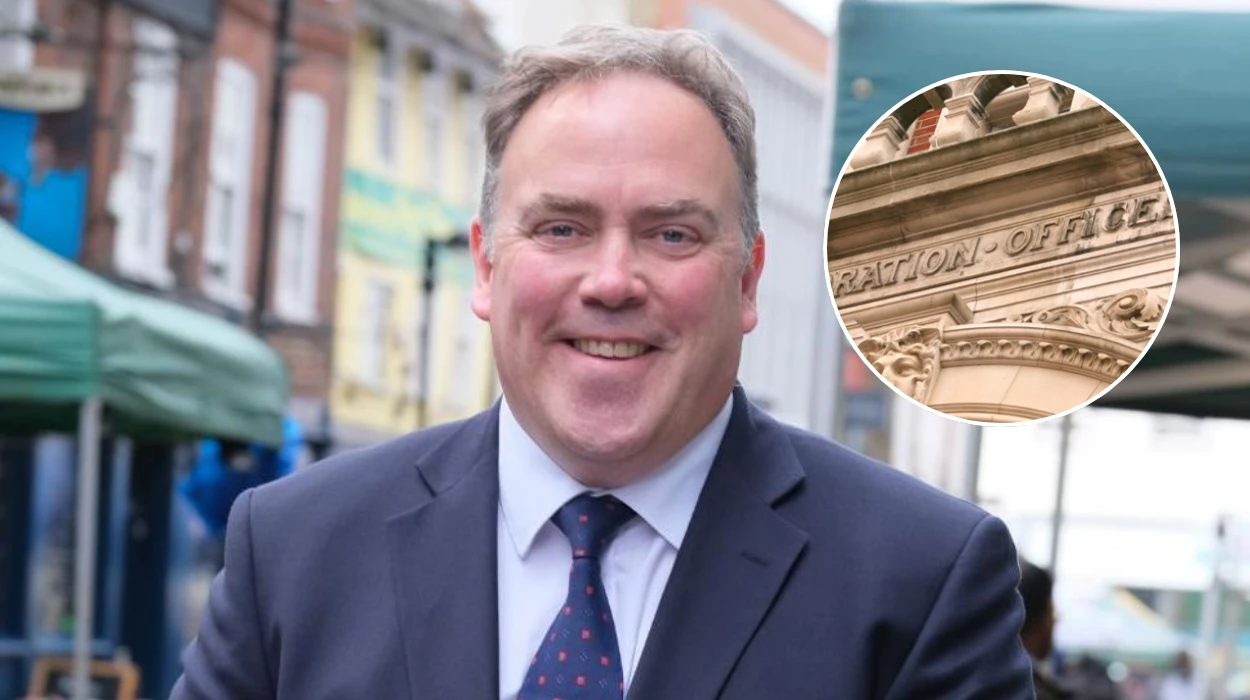
Croydon (Parliament Politics Magazine) – Croydon Mayor Jason Perry pledges to prioritise residents while tightening council spending, emphasising value for money and improved service delivery.
Croydon is anticipated to save a fresh £27 million this time, bringing the total to £48 million in 2025 – 2026. As a result, the Council will bear lower fiscal backing from the government.
Still, the Council intends to make fresh savings while securing vital services and abstain from hiking Council Tax above the cap because Croydon continues to be one of the most financially worried areas in the nation.
Executive Mayor of Croydon, Jason Perry said:
“When I became Mayor I inherited an incredibly challenging financial position. I have always been clear that my top priority is to repair this damage and get our Council back on track for the people of Croydon.
I have been equally clear that this does not mean slashing services and hiking Council Tax. Under my leadership we have made major improvements to the way the Council operates. I am determined to build on this and make savings in a way that is responsible and sustainable.
Our budget plans set out how we are changing our Council, modernising and digitalising services, focusing on prevention and working even more closely with our partners to deliver services differently. We will be continuing this drive whilst looking at other ways to bring costs down and make every penny count for our residents.
Croydon’s historic debt remains unsustainable, with the repayments topping £70m this year. I am working with our Commissioners and the Government to discuss a package of support which will ensure our Council’s future.”
Plans for finance, expansion, and savings are outlined in the Council’s medium-term financial strategy (MTFS).
The Council’s £1.4 billion historic debt, which will cost £71 million to service next year, has an impact on Croydon’s budget deficit. This is in addition to the expense of increased demand for necessary services, which has an effect on the local government sector.
The proposals are predicated on an increase of 4.99% for all years, in accordance with the Executive Mayor’s promise not to raise Council Tax above the government-imposed referendum cap. This is the London boroughs’ referendum cap for 2026–2027.
Future savings goals are £35.9 million for the following year and £30 million annually for the following three.
The government provides more funding in the form of capitalization directions, or increased borrowing, which is referred to as exceptional financial assistance (EFS). To pay for this borrowing, the Council has been selling buildings and land for the last four years.
The goal of the Council’s transformation strategy is to lower the amount of extraordinary financial assistance needed in the upcoming years.
The projected additional government cash as part of the Fair cash Reforms is part of Croydon’s ambitions. To confirm information, the Council is awaiting the Chancellor’s budget statement on November 26, 2025, and the conditional Original Government Finance Settlement in December.
In preparation for the final budget report, which is presented to the council and press for vote in February, Croydon Council will continue to work on its plans.
What specific spending cuts has Mayor Perry proposed for the council?
The council read a need for £98 million in government support for the 2025/26 budget in addition to £38 million for heritage debt. Spending pressures are rising in homelessness, children’s placements, shoot transport, and adult social care.
Perry’s transformation plan hinges on savings through commercial metamorphosis, including job cuts and investment in technology like AI and bots to ameliorate effectiveness. Croydon plans uninterrupted council duty increases of over to 4.99 annually following a 15% hike since Perry took office, aiming to raise profit without cutting critical services.
Mayor Perry’s council spending cuts largely concentrate on effectiveness savings, pool reductions, core service protection, controlled council duty increases, and fiscal restructuring to manage a growing deficiency and debt challenge.