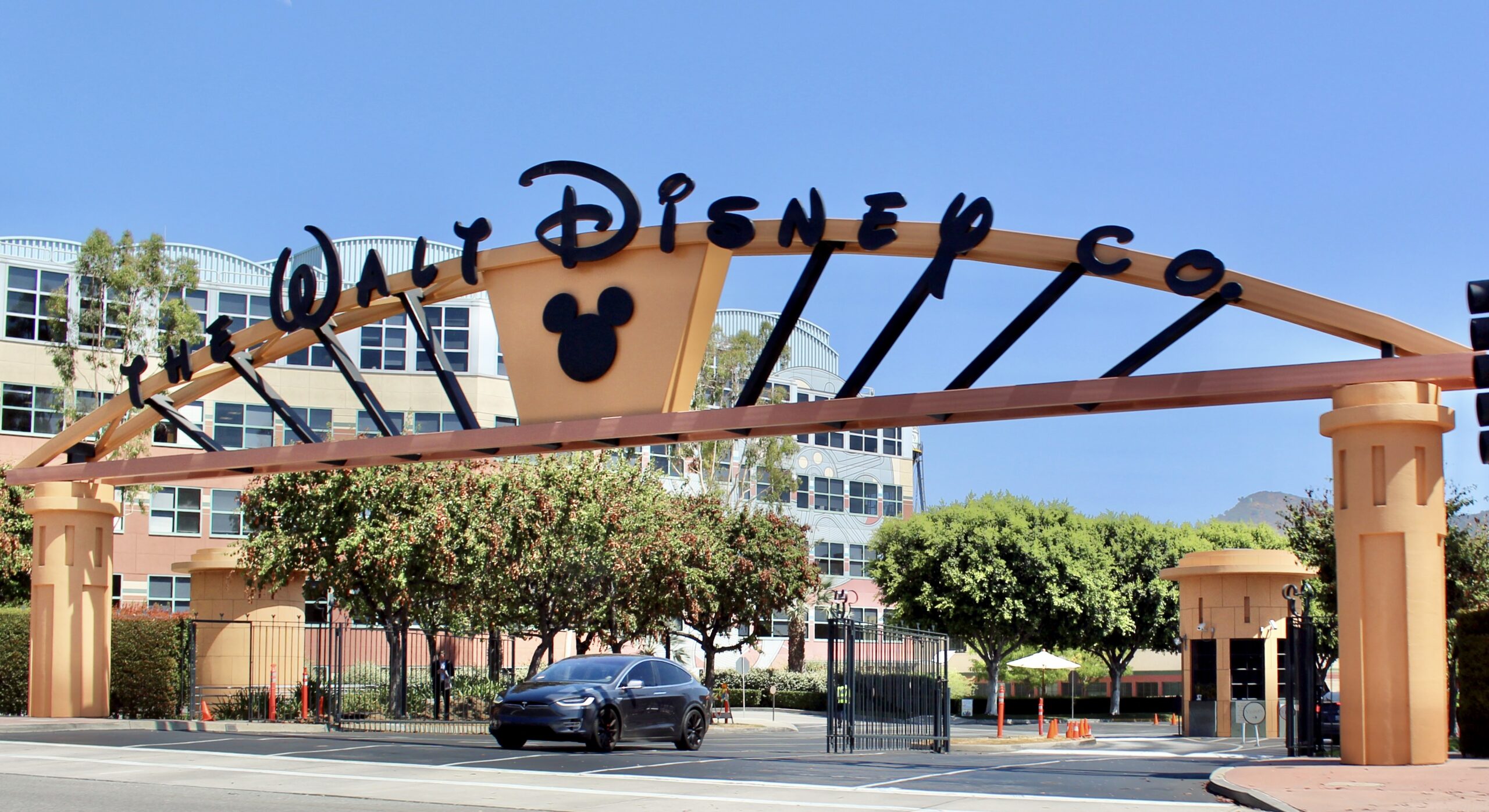
Burbank California, February 3, 2026 — The Walt Disney Company is increasingly shaping its future around Disney parks leadership, a strategic emphasis that has gained momentum as the company reassesses priorities following years of industry disruption. Observed closely by Parliament News, the move reflects how physical experiences have become a stabilizing force for one of the world’s most influential entertainment companies.
Executives view the parks division as a foundation for predictable revenue and long term brand loyalty, particularly as digital entertainment markets remain volatile.
A Corporate Landscape in Transition
Disney’s leadership focus comes at a time when global entertainment companies are recalibrating business models. Streaming growth has slowed across the industry, advertising markets remain uneven, and content costs continue to rise.
Within this environment, Disney parks leadership has emerged as a benchmark for disciplined execution. Theme parks provide tangible assets, consistent attendance, and diversified income streams that contrast with the uncertainty facing media businesses.
Josh D’Amaro’s Expanding Influence Inside Disney
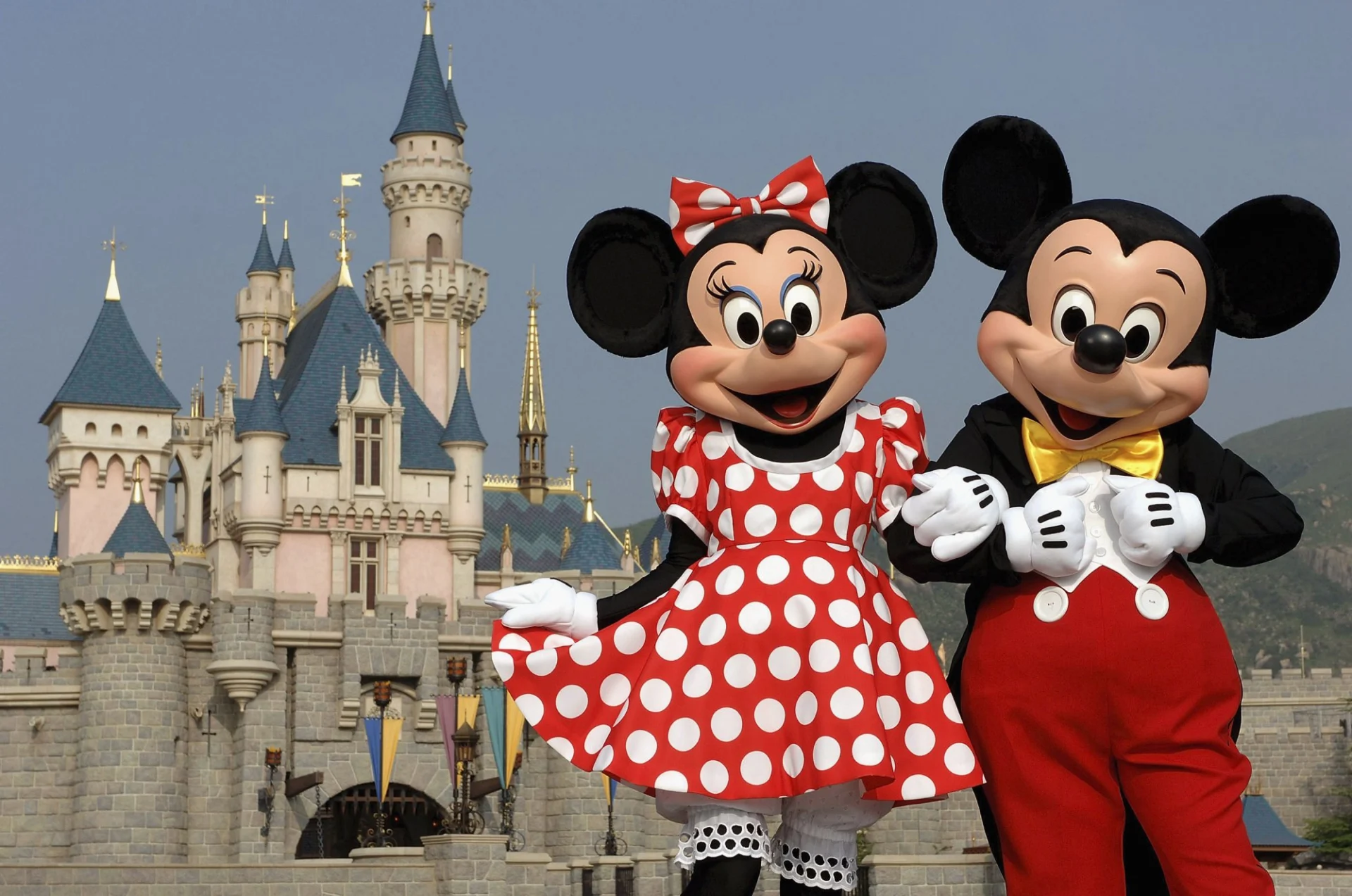
Central to the company’s parks strategy is Josh D’Amaro, whose role has expanded significantly over recent years. As chairman of Disney Experiences, D’Amaro oversees global theme parks, cruise operations, and consumer products, placing him at the intersection of revenue generation and guest engagement.
His operational approach has elevated Disney parks leadership as a reference point for efficiency, guest satisfaction, and financial accountability across the company.
Financial Strength Reinforces Strategic Confidence
Disney’s parks and experiences segment has consistently delivered strong margins, even during periods of economic uncertainty. Higher per guest spending, advanced capacity management, and premium offerings have strengthened earnings.
This financial performance has reinforced internal confidence in Disney parks leadership, encouraging greater reliance on experiential businesses to offset fluctuations in media and streaming revenues.
Investor Perspective and Market Stability
Institutional investors have welcomed Disney’s parks focused direction. Analysts note that physical destinations provide visibility into cash flow that is often absent in content driven businesses.
From a market standpoint, Disney parks leadership offers reassurance that capital investments are backed by proven demand rather than speculative growth projections.
Pricing Strategy and Consumer Sensitivity
Despite financial success, rising ticket prices and premium experiences have sparked debate among consumers. Leadership teams face pressure to sustain profitability without alienating longtime fans.
Executives acknowledge that Disney parks leadership must balance revenue optimization with accessibility to protect the emotional connection that defines the brand.
Technology Reshapes the Guest Experience
Digital innovation has become central to park operations. Reservation platforms, mobile applications, and data analytics now shape how guests plan and experience visits.
Modern Disney parks leadership integrates hospitality expertise with technology driven insights, enabling more personalized experiences while improving crowd management and operational efficiency.
International Expansion and Regional Adaptation
Global growth remains a priority, particularly in Asia and Europe. Expansion strategies increasingly emphasize cultural alignment, regulatory compliance, and local partnerships.
Decision makers stress that Disney parks leadership must adapt offerings to regional preferences rather than relying solely on U.S. based models.
Workforce Management and Operational Culture
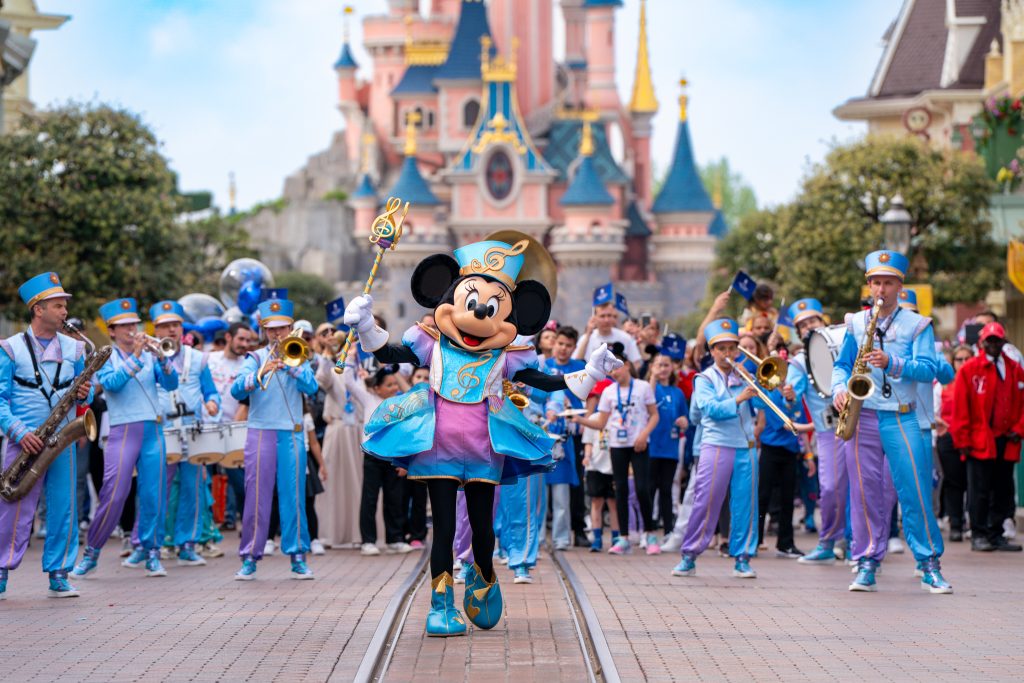
Disney employs tens of thousands of park workers worldwide, making labor strategy a critical component of operations. Training, retention, and workplace culture directly influence guest satisfaction.
Strong internal systems have positioned Disney parks leadership as an operational standard within the company, emphasizing accountability and frontline engagement.
Collaboration Across Disney’s Business Units
Parks play a critical role in amplifying Disney’s intellectual property. Attractions transform film and television franchises into immersive environments that extend storytelling beyond screens.
This integration has strengthened Disney parks leadership as a connective force linking creative development, merchandising, and experiential design.
One Industry View on the Shift
One senior entertainment analyst said,
“The parks division has become Disney’s most dependable engine, and leadership decisions here will determine how resilient the company remains through future cycles.”
From Creative Roots to Operational Scale in Disney Parks Leadership
Disney’s parks division traces its origins to the opening of Disneyland in 1955, when leadership centered on imagination and guest wonder. Early decision making prioritized storytelling over financial optimization.
Over decades, global expansion and rising operational complexity transformed the model. Data driven planning, sophisticated pricing structures, and international governance gradually reshaped Disney parks leadership into a disciplined corporate function while preserving creative heritage.
Sustainability and Environmental Responsibility
Environmental stewardship has become a defining responsibility for park operations. Water conservation, renewable energy use, and sustainable construction increasingly influence development decisions.
Executives emphasize that modern Disney parks leadership must integrate environmental responsibility as a core operational requirement rather than a secondary initiative.
Governance and Board Level Influence
As experiential businesses grow in importance, executives with parks expertise are gaining greater visibility in board level discussions. Their insights inform capital planning, risk management, and long term forecasting.
This shift highlights how Disney parks leadership now influences decisions beyond theme park gates.
Challenges Facing the Parks Division
Rising labor costs, geopolitical uncertainty, and evolving travel patterns present ongoing challenges. Leadership teams must remain agile while maintaining Disney’s reputation for quality and consistency.
Observers note that Disney parks leadership will be tested by its ability to adapt without compromising the guest experience.
Competitive Pressures in the Global Theme Park Market
The global theme park industry is becoming increasingly competitive as regional operators invest heavily in new attractions. Disney faces pressure to innovate while managing costs.
Strategists believe Disney parks leadership must continue differentiating through storytelling, technology, and service excellence to maintain its competitive edge.
The Role of Physical Experiences in Brand Loyalty
Theme parks play a unique role in reinforcing Disney’s brand across generations. Physical experiences create emotional connections that digital platforms struggle to replicate.
This emotional dimension strengthens Disney parks leadership as a guardian of brand identity and long term consumer loyalty.
Long Term Vision Beyond 2026
Looking ahead, Disney’s focus on parks signals a broader shift toward tangible experiences as anchors of value. Executives view physical destinations as complements to digital entertainment rather than competitors.
As the company navigates an evolving media landscape, Disney parks leadership stands at the center of its strategic recalibration.
A Defining Chapter for Disney’s Corporate Direction
Disney’s renewed emphasis on parks reflects confidence in experiential entertainment as a durable growth engine. Leadership decisions in this area will shape how the company balances creativity, profitability, and responsibility.
In 2026 and beyond, Disney parks leadership is positioned not merely as an operational function but as a cornerstone of Disney’s global strategy.