PARIS, June 23 (Parliament Politics Magazine) – Forty people have drowned in France over the past several days as the population sought relief from an intense heatwave currently sweeping across much of Europe.
Prime Minister Sébastien Lecornu confirmed the figures on Tuesday, noting that the victims were predominantly young people who had entered unauthorized or unsupervised water bodies to escape the record-breaking temperatures.
The fatalities, which occurred between June 18 and June 23, have prompted urgent warnings from government officials. Sports Minister Marina Ferrari emphasized the inherent dangers of cooling off in canals and rivers, urging citizens to avoid swimming in areas not designated for such activities.
“A sad scourge when it comes to drownings, as the latest figures just reported to us show 40 deaths since June 18, most of them young people,” Prime Minister Lecornu said.
Unprecedented Heat Across France
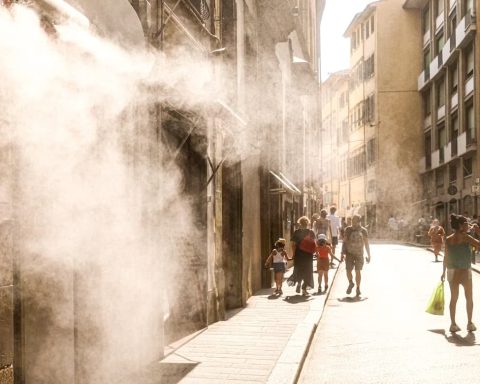
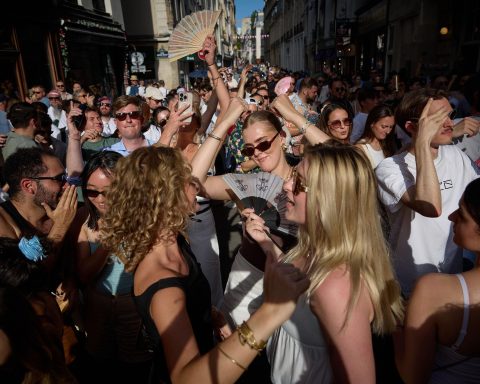
Météo France has placed much of the country under a severe heat alert, with temperatures reaching 40 degrees Celsius in many regions and expected to climb to 43 degrees Celsius in parts of the west. The nation recently recorded its hottest afternoon and night since meteorological records began in 1947.
Fifty-four departments are currently under a red alert, a status described by forecasters as unprecedented. Beyond the drownings in open water, the heat has led to other tragic outcomes. In Carpentras, located in southeast France, a prosecutor reported that first responders were unable to save two children, aged 2 and 4, who were found unconscious by their mother in a family car parked outside their home.
Economic and Transit Disruptions
The extreme weather is also putting significant pressure on the French economy and infrastructure. In Paris, commuters have faced difficult conditions, with sleepless nights in apartments that are not designed to withstand such high temperatures. The strain on transportation has led to service cancellations, including rail links between Paris and Brussels.
Business leaders have reported a general slowdown in economic activity. Patrick Martin, head of the MEDEF employers group, noted that businesses are attempting to implement protective measures for staff where possible. In the capital, the surge in demand for electric fans has outpaced supply, leaving many retailers with empty shelves.
Regional Impact Across Europe
The ongoing heatwave is being driven by a weather pattern known as an Omega block, which features a bulge of hot air trapped between cooler air masses, allowing temperatures to rise steadily over several days. According to the World Meteorological Organization, Europe is warming at more than twice the global average, making these prolonged heat episodes increasingly common.
In Spain, the meteorological agency has issued red alerts, with temperatures in some areas expected to reach 44 degrees Celsius. Following a peak of 45 degrees Celsius in Andujar, Madrid has opened climate shelters for vulnerable populations, including the homeless, to provide a temperature-controlled environment and basic services.
Italy has also been hit hard, with the health ministry issuing its highest level of alert for 15 cities. Authorities there have moved to curtail work to protect employees from the extreme conditions. Meanwhile, storms are forecasted to arrive over the Alps and Apennines, bringing the possibility of heavy rain, hail, and gusty winds.
Infrastructure Challenges
In Britain, the Met Office has forecast temperatures as high as 37 degrees Celsius in southern England, with potential for further increases. The impact on infrastructure has been notable, with Network Rail advising passengers to travel only if necessary due to the risk of rail buckling. Dozens of schools across the country have announced they will close early, citing old buildings that are unsuitable for classrooms when temperatures climb above 30 degrees Celsius.
In Belgium, the heat has forced logistical changes for educational institutions. A primary school in Tervuren, near Brussels, moved its final exams from classrooms to a nearby church to provide a cooler environment for students.