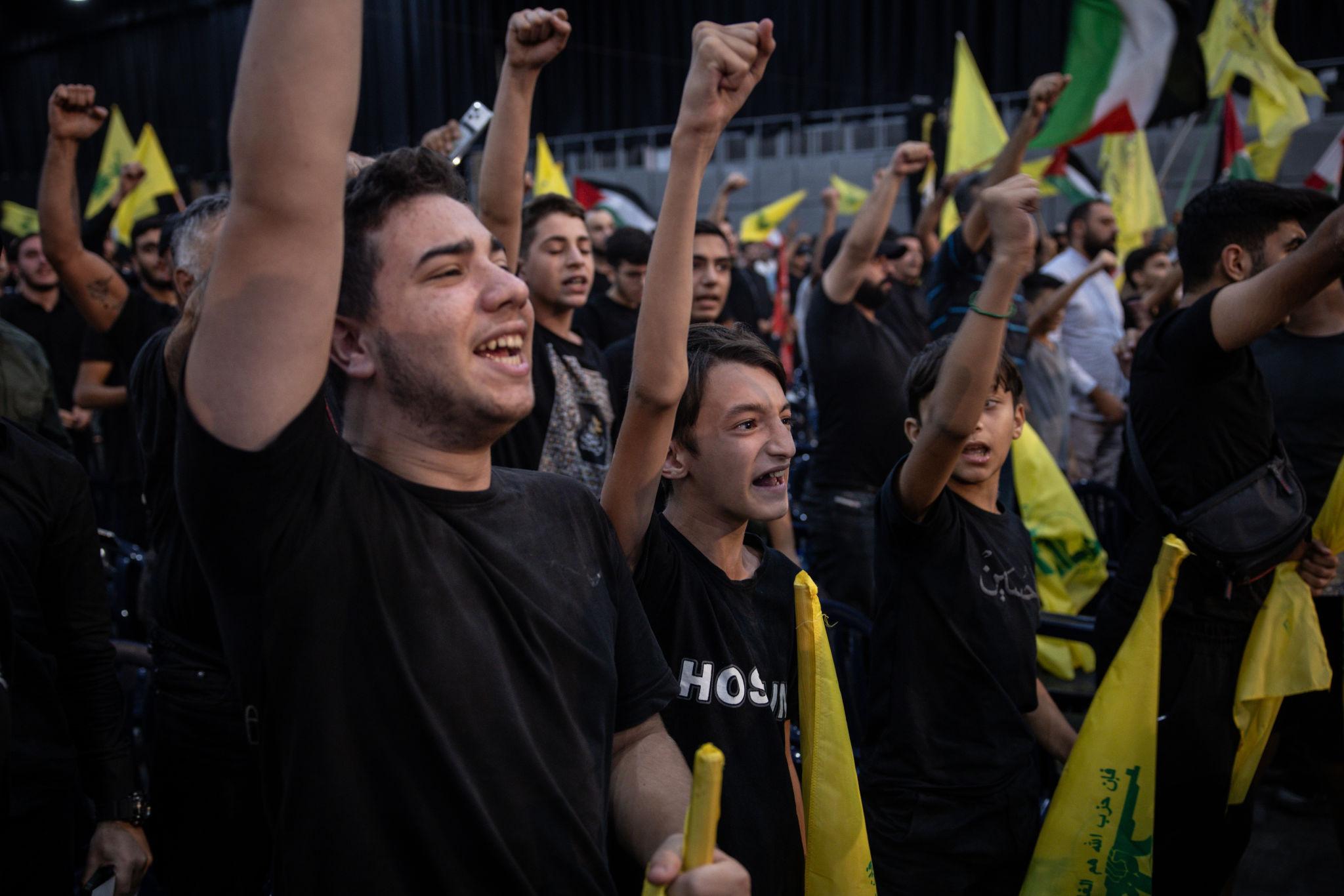
Beirut, Lebanon, April 11, 2026 (Parliament Politics Magazine) Saudi Iran conflict impact Lebanon is becoming increasingly visible as Hezbollah and the Amal Movement have instructed supporters not to hold demonstrations, signaling growing concern over instability. The decision comes amid escalating tensions linked to the broader regional conflict involving Iran, Israel, and global powers.
The directive marks a rare moment of restraint from groups known for mobilizing large-scale protests, reflecting fears that public gatherings could trigger unrest or escalate tensions further.
Why Hezbollah and Amal Issued the Directive
The growing Iran conflict impact Lebanon has forced leadership within Hezbollah and Amal to take precautionary measures. Both groups are attempting to prevent internal disruptions while the region faces uncertainty.
According to reports, both organizations have urged supporters to remain calm and avoid demonstrations amid ongoing ceasefire discussions and military tensions.
This move is seen as an effort to:
- Prevent clashes between opposing political groups
- Avoid escalation in already tense areas
- Maintain stability during sensitive diplomatic negotiations
A regional analyst explained:
“This decision reflects a strategic attempt to prevent Lebanon from slipping further into chaos while the wider conflict unfolds.”
How the Iran Conflict Is Shaping Lebanon’s Reality
The Iran conflict impact Lebanon is deeply tied to Hezbollah’s alignment with Iran and its involvement in regional tensions. The situation has already led to significant consequences inside Lebanon.
Recent developments show:
- Israeli strikes on Lebanon have caused widespread casualties and damage
- Hezbollah’s involvement has drawn Lebanon into a broader regional conflict
- Internal criticism within Lebanon has increased due to the war’s consequences
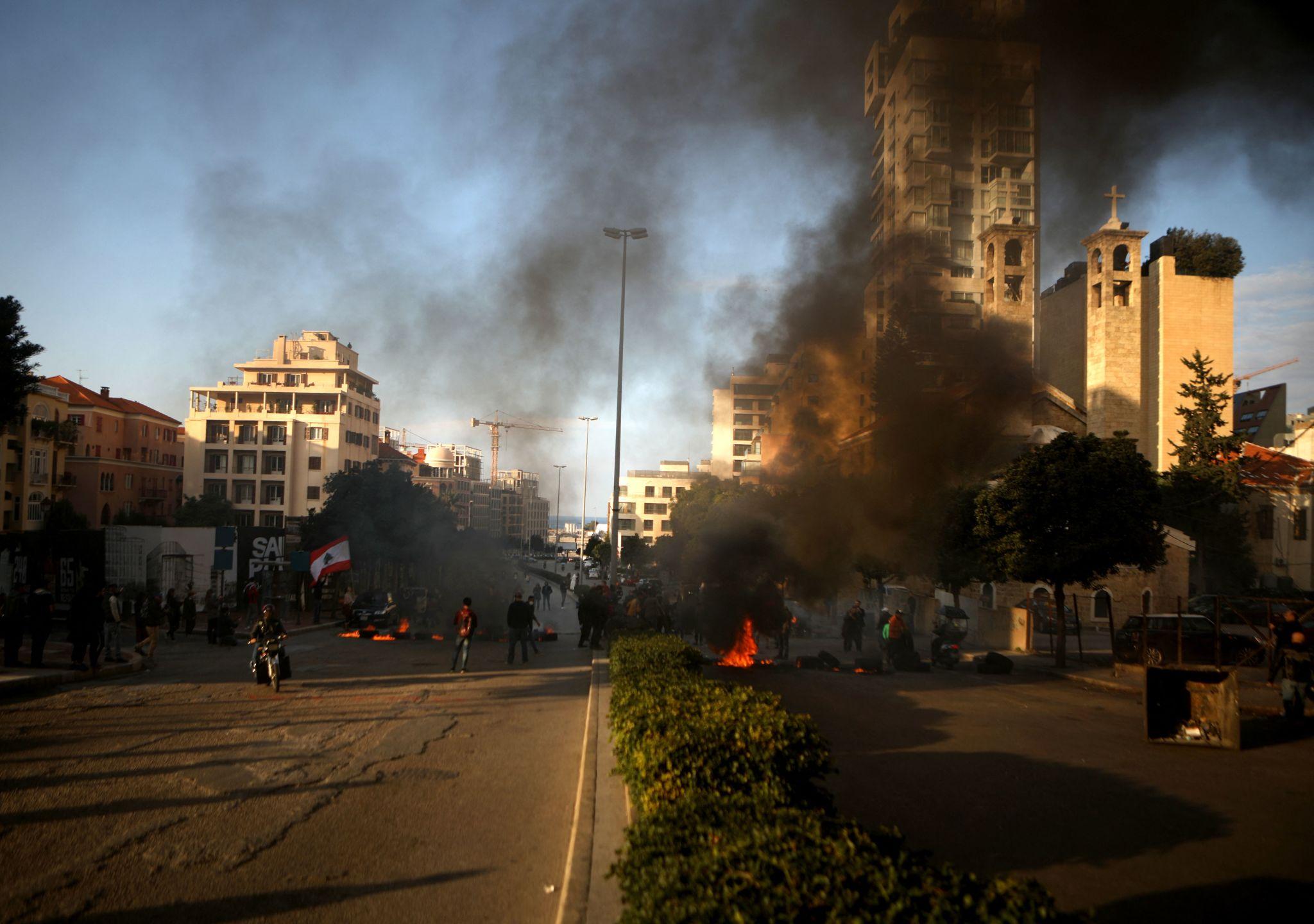
These factors have contributed to a volatile environment where even peaceful protests could quickly spiral into unrest.
Public Reaction to the Protest Halt
For many supporters, the Iran conflict impact Lebanon has created confusion and concern. Hezbollah and Amal have historically encouraged mass mobilization, making this directive unusual.
Public sentiment appears divided:
- Some supporters agree with prioritizing stability
- Others feel restricted in expressing political views
- Many remain cautious, recognizing the fragile situation
Despite mixed reactions, compliance has largely been observed, highlighting strong internal discipline among supporters.
Regional Tensions Driving the Decision
The Iran conflict impact Lebanon cannot be separated from the broader Middle East crisis. Ongoing military actions and diplomatic tensions are shaping decisions on the ground.
Key developments influencing the situation include:
- Continued Israeli strikes despite ceasefire discussions
- Iran linking regional actions to developments in Lebanon
- Rising global concern over instability and energy disruptions
These dynamics have created a high-risk environment where protests could escalate beyond control.
Security Concerns and Risk Management
Security experts believe the Iran conflict impact Lebanon has significantly increased the risks associated with large gatherings.
Potential dangers include:
- Violent confrontations between factions
- External interference in protests
- Rapid escalation into broader unrest
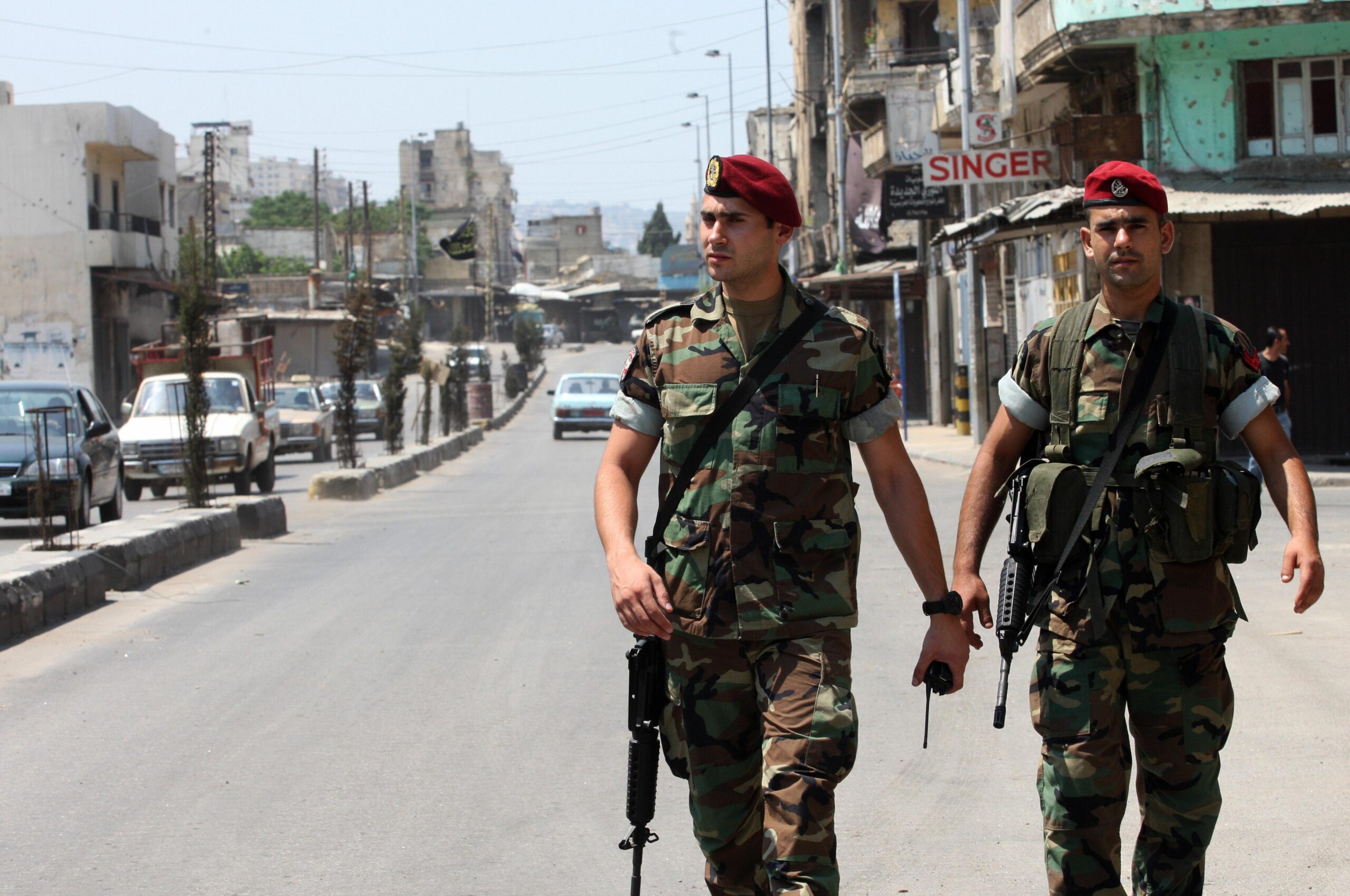
Authorities are reportedly monitoring the situation closely, aiming to prevent any unauthorized demonstrations.
Political Strategy Behind the Move
The Iran conflict impact Lebanon also reflects a broader political calculation by Hezbollah and Amal. By restricting protests, leadership can maintain control during uncertain times.
Strategic goals may include:
- Controlling messaging during negotiations
- Avoiding international criticism
- Preserving influence without escalating tensions
This approach suggests a shift toward caution rather than confrontation.
International Implications and Global Attention
The Iran conflict impact Lebanon is being closely monitored by global observers. Lebanon’s stability is seen as critical to preventing wider regional escalation.
International implications include:
- Increased diplomatic focus on Lebanon
- Concerns about ceasefire stability
- Monitoring by global powers involved in negotiations
Recent reports indicate that ongoing tensions between Israel and Hezbollah continue to threaten fragile agreements.
What Comes Next for Lebanon
The future of the Iran conflict impact Lebanon remains uncertain. While halting protests may reduce immediate risks, deeper issues persist.
Key questions moving forward:
- Will restrictions on protests continue?
- Can Lebanon avoid deeper involvement in the conflict?
- How will regional negotiations influence stability?
The answers will determine whether Lebanon can maintain stability or face further escalation.
A Critical Turning Point for Stability
The Iran conflict impact Lebanon highlights the fragile balance between political expression and national security. Hezbollah and Amal’s decision signals awareness of the risks ahead.
“Lebanon is walking a very thin line between stability and escalation,”
a regional observer noted.
The move may help prevent immediate unrest, but long-term solutions remain uncertain.
The Iran conflict impact Lebanon is reshaping the country’s political and security landscape. By halting demonstrations, Hezbollah and the Amal Movement are attempting to contain risks amid rising regional tensions. While the decision may bring short-term stability, it underscores deeper challenges facing Lebanon as it navigates a complex and evolving geopolitical crisis.