

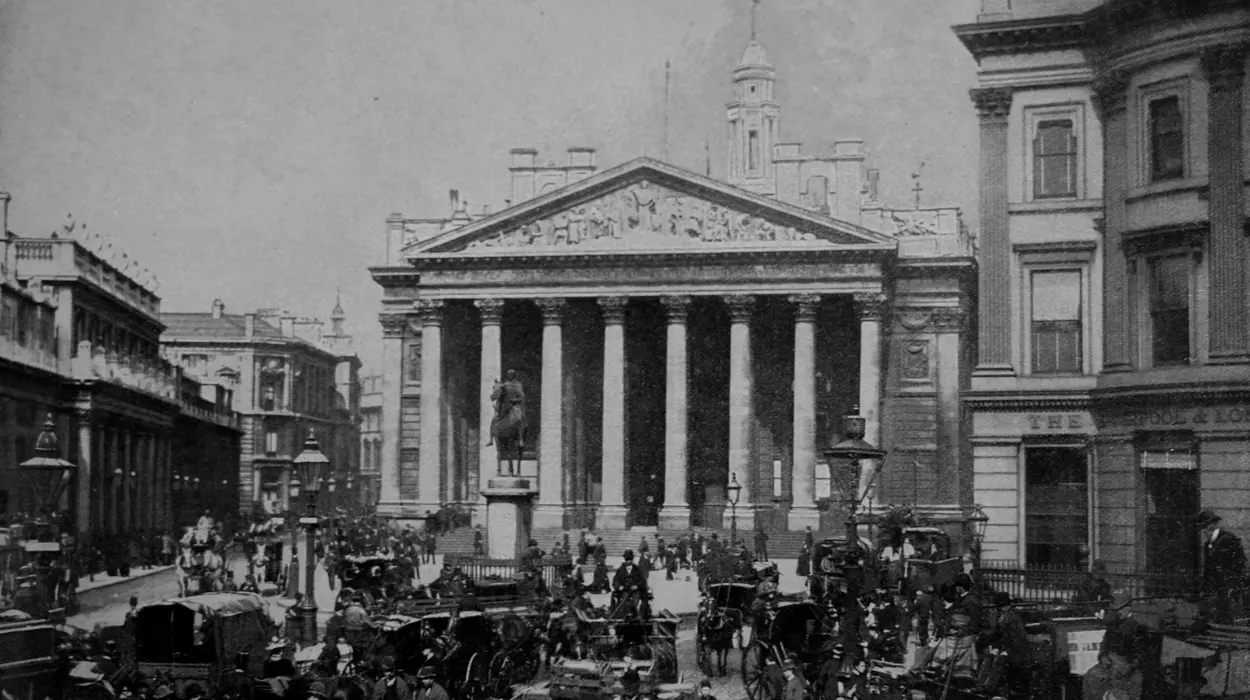
The 19th century was a time of fundamental change for London. London, the centre of the British Empire, was the capital of politics, trade, invention and culture. However, life in 19th century London was complicated. It was a time of contradictions: dazzling wealth coexisted with desperate poverty, modern inventions existed side by side with antiquated practices.
The Growth of London in the 19th Century
The population of London increased rapidly through the 1800s. In 1801, there were just under 1 million people. By the end of the 19th century, that population had surged to more than 6 million, making it the world’s largest city at the time.
The Industrial Revolution made this explosive growth possible. Through the late 18th and into the 19th centuries, in search of work, people moved from the rural countryside and into London. At the same time there was a great deal of immigration into London gainfully included Irish labourers, Jews fleeing persecution and many other communities, all arriving in very large numbers.
The surge in population created opportunities but also easily complicated the issues of housing, sanitation and public health.
Social Divides in Victorian London
Life in 19th-century London was shaped by class. The rich and poor lived close to each other but lived in separate worlds.
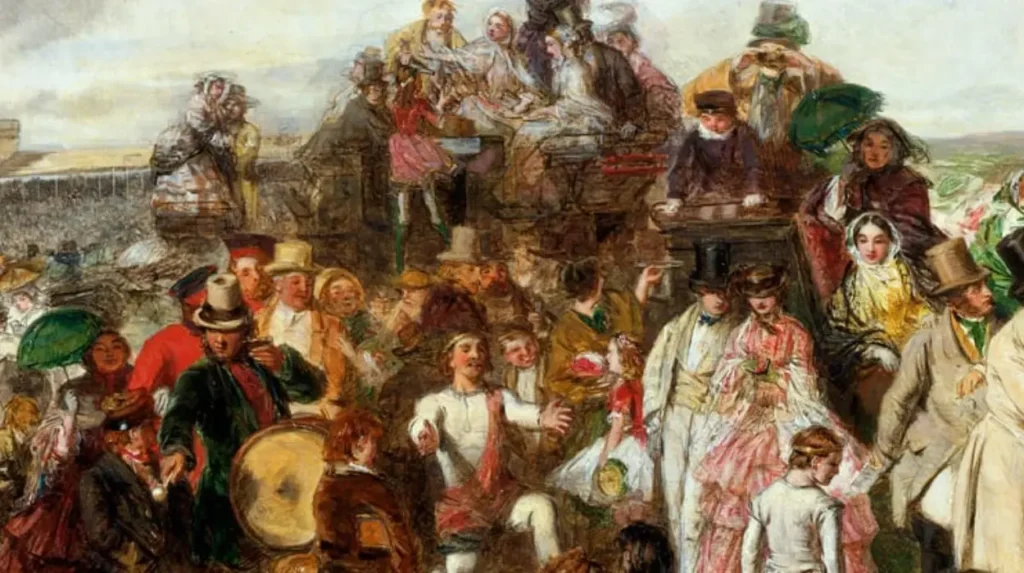
Upper Classes
The upper classes lived in houses or great squares such as Mayfair or Belgravia. They lived a comfortable lifestyle with several servants, which provided them with luxuries such as fine clothing, education, and access to exclusive clubs. Their lifestyle revolved around society, theater, and politics.
Working Classes
The working classes lived in overcrowded areas of London (like Whitechapel and Southwark). Some families lived two or three families in one room but struggled to afford rent. Their work was exhausting and insecure. They labored as factory workers or street sellers in various trades.
The Poor and Destitute
At the very bottom were London’s poor. They relied on charitable aid or workhouses. Homelessness was common. Many children were orphaned and left to fend for themselves. The dark side of life in Victorian London was written about extensively in newspapers, literature, and government reports about London, pointing to a social responsibility to initiate social reform.
Housing and Living Conditions
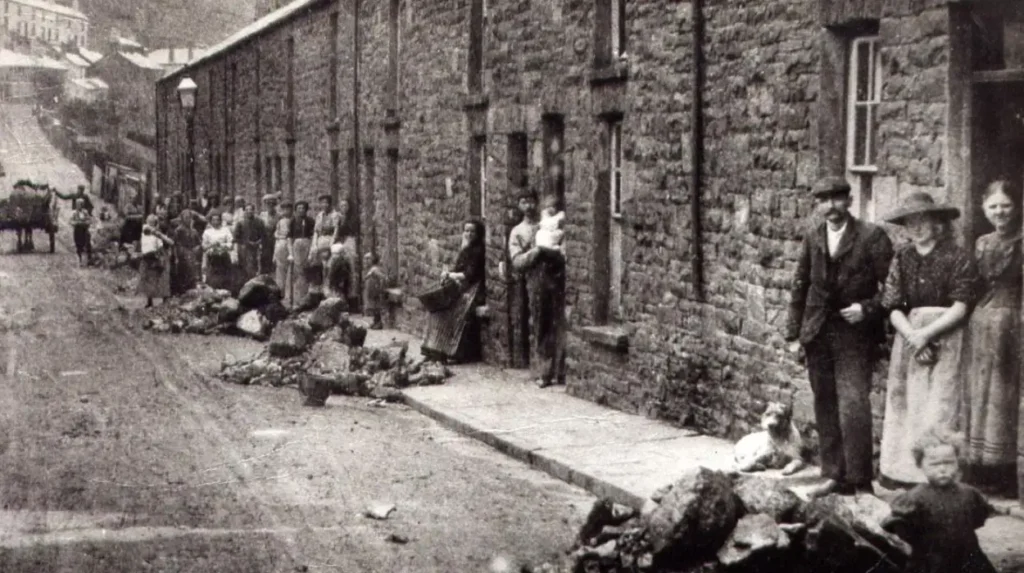
With an increasing population came a shortage of housing. Families lived within an unsanitary room in a slum. These areas provided fertile ground for disease, crime, and disorder. The streets had no drainage, and sewage was allowed to flow freely.
Wealthy neighborhoods
In contrast, wealthy people can afford to live in large, well-appointed houses. Many owned houses with several upper stories, private gardens, and staff to look after them. Slums alongside mansions represented the polar opposites of life in 19th-century London.
Work and Employment
Employment opportunities were radically different during the Industrial Revolution. London became a center of trade, finance, and manufacturing, which had opportunity but also the threat of exploitation.
Factories and workshops
The factories produced textiles, machinery, and manufactured goods for consumers. They offered long hours, poor pay, and precious little safety. Child labor was commonplace; its higher prevalence in child working hours was banned.
Jobs on the street
Many of the poorest people in London made a living working on the street, selling on the street, and conducting small jobs of shining people’s shoes and carrying people’s goods, with little job security and at huge risk of hunger and debt for their families if something went wrong.
Proper working and middle-class work
At the same time, life for the professional and lower middle classes was expanding. Clerks, teachers, shopkeepers, and trades, which included doctors, marketers, and lawyers, saw new advances as the economy modernized. Modern life in 19th-century London was a life of stability and respectability.
Health and Sanitation
The rapid growth of urban environments led to massive public health issues. There were cholera pandemics throughout London in the 1850s and 1860s, killing thousands of Londoners as a result of unsanitary conditions from drinking contaminated water. Poor sources of water are available to poor families.
The century saw exceptional achievements in medicine and public health. People such as Dr. John Snow were able to prove a connection between cholera and contaminated water supplies, which ultimately led to reformation in preventative health practices.
Based on Dr. Snow and accomplished cooperation from the people, London was able to create a sewage system. Engineer John Bazalgette invented a revolutionary sanitation and sewage system in London that has transformed public health and has made city living safe.
Education and Childhood
At the beginning of the 19th century, education for working-class children was very minimal. Many children as young as 5 years old were working their childhood away rather than learning and living. There were charitable school opportunities, but unequal access was the underlying issue.
The education reforms in the 19th century improved education practices. The Education Act of 1870 made elementary education compulsory, ensuring all children could learn. By the end of the 19th century, education persisted in shaping the cultural and intellectual life of London. Literacy increased significantly by the end of the century.
Crime and Law Enforcement
Life in 19th-century London was stifled with ideas of crime. There were countless pickpocketings, and there was a growing number of violent offenses being committed in London’s low-income areas. The creation of the Metropolitan Police Force in 1829 under Sir Robert Peel was the turning point for crime and law enforcement.
The new police department walked the streets, their uniforms designed to minimize crime and maintain order. People were rightly concerned about violent crime, particularly in urban centers of the rapidly industrializing society. Incidents like Jack the Ripper’s 1888 murders in Whitechapel exposed both the perils of urban living and also the limitations of policing.
Transport and Daily Movement
For much of the century, passengers traversed the city in horse-drawn omnibuses and carriages. Streets swelled with foot and vehicle traffic that made sidewalks narrow, congested, and noisy, not to mention dirty.
The railway changed the nature of urban travel. London became linked to the rest of Britain via major stations along the railways, and in 1863, the Metropolitan Railway opened, offering passengers the option of underground railway travel as well, at least for quicker movement across the burgeoning city surface.
The Contrasts of Victorian Living
In the end, life in 19th-century London was filled with oppositions:
- Riches and poverty: Grand houses sat next to cramped slums.
- Progress and struggle: Industrial ingenuity was changing the economy, yet workers were usually unhappy.
- Health epidemics and reforms: Deadly diseases forced reformers to create health improvements.
- Traditions and changes: The Victorian morals of the day were challenged by movements pushing for reform and more social freedom.
