Washington, Beirut, March 22, 2026, Parliament Politics Magazine, Middle East conflict crisis has entered a dangerous new phase in 2026, as a top US counterterrorism official resigned in protest against Washington’s escalating military posture toward Iran. The development comes just hours after Israel claimed responsibility for killing a Hamas operative in southern Lebanon, a move that has further destabilized the region.
The resignation is being seen as a rare and powerful internal dissent, signaling deep concerns within the US national security establishment.
Resignation Reflects Growing Policy Tensions
The unexpected departure of the senior official has raised serious questions about the direction of US foreign policy. Sources indicate the resignation was driven by fears that current actions could trigger a broader regional war.
A former intelligence insider stated:
“This resignation is not routine—it reflects a profound disagreement over how far the US should go in this Middle East conflict crisis.”
The official reportedly warned that continued escalation could entangle the United States in a prolonged and unpredictable conflict.
Israeli Strike Escalates Regional Pressure
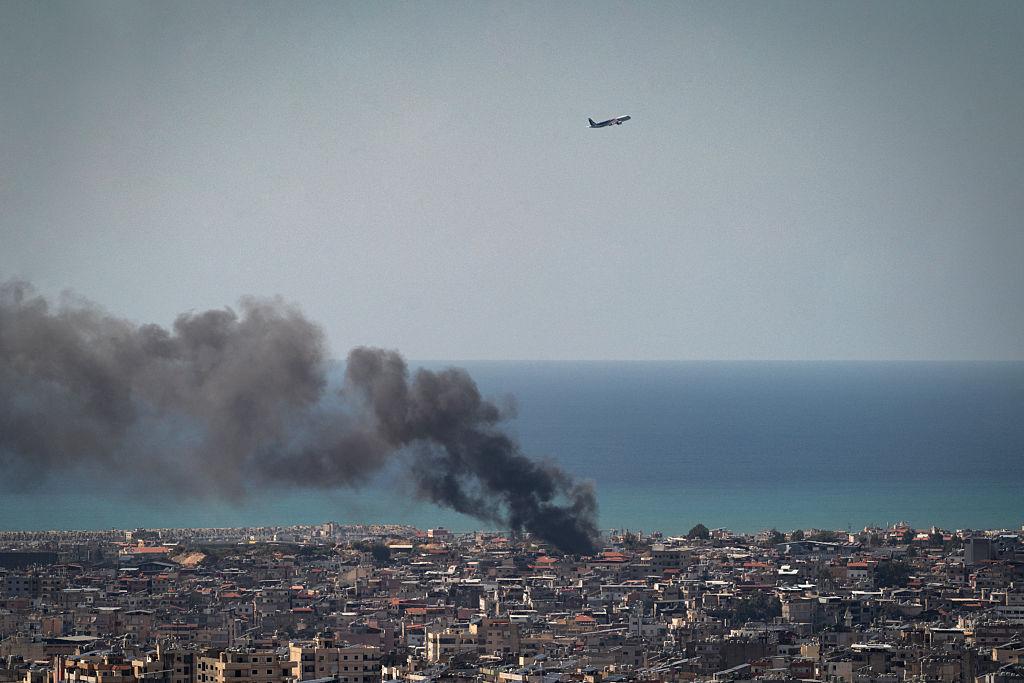
The latest development in the Middle East conflict crisis follows Israel’s announcement of a targeted operation in Lebanon, where a Hamas operative was reportedly killed. Israeli officials described the strike as a necessary step to neutralize threats.
However, critics argue that expanding military actions beyond Gaza risks igniting a wider confrontation involving multiple regional actors.
Lebanese authorities condemned the strike, calling it a violation of sovereignty and warning of potential retaliation. Analysts say the move could provoke responses from Iran-backed groups, increasing instability across the region.
US-Iran Tensions Reach Critical Point
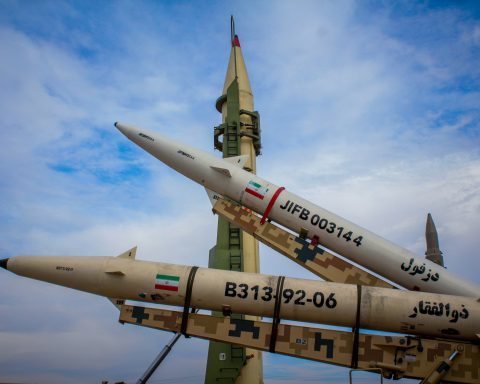
At the heart of the Middle East conflict crisis lies the growing tension between the United States and Iran. Military deployments, sanctions, and proxy engagements have created a volatile environment where any misstep could lead to direct confrontation.
Experts warn that the current trajectory is unsustainable.
said a regional analyst.
“One incident could trigger a chain reaction across the Middle East conflict crisis.”
Intelligence agencies have reportedly heightened alert levels, anticipating possible retaliatory actions against US interests.
Global Reaction Signals Alarm
The international response to the unfolding Middle East conflict crisis has been swift. European leaders have urged restraint, while global organizations have called for immediate diplomatic intervention.
The United Nations emphasized the importance of de-escalation, warning that further military actions could lead to catastrophic consequences.
Financial markets have also reacted, with investors closely monitoring developments. Energy markets, in particular, have shown volatility due to fears of supply disruptions.

Strategic Concerns Over Counterterrorism Approach
The resignation highlights deeper concerns about the evolving nature of US counterterrorism strategy. Traditionally focused on precision and intelligence, the approach now appears to be shifting toward broader military engagement.
The Middle East conflict crisis underscores the complexity of balancing security objectives with the risk of escalation.
Experts caution that losing experienced leadership at this critical moment could undermine strategic stability and decision-making.
Political Pressure Intensifies in Washington
The Middle East conflict crisis is also fueling political debate in Washington. Lawmakers are demanding clarity on US involvement and questioning whether current strategies are sustainable.
Some officials are calling for hearings to investigate the resignation and assess the broader implications for national security.
Despite the criticism, the administration maintains that its actions are necessary to counter threats and support allies in the region.
Risk of Regional War Expands
The convergence of the Israeli strike and rising US-Iran tensions has significantly increased the risk of a broader regional conflict. Analysts warn that escalation could involve multiple actors, including militant groups and neighboring countries.
The Middle East conflict crisis is now viewed as one of the most dangerous geopolitical situations in recent years.
Security experts caution that even limited retaliation could spiral into a wider war with global consequences.
Economic and Energy Implications
The Middle East conflict crisis is already impacting global markets, particularly in the energy sector. The region’s importance in global oil supply means any disruption could have immediate and widespread effects.
Traders are reacting cautiously, with oil prices showing signs of volatility. Economists warn that prolonged instability could strain global economies.
What Lies Ahead?
As the Middle East conflict crisis continues to evolve, key questions remain:
- Will the US reconsider its military strategy?
- Could Iran escalate its response?
- Can diplomatic efforts prevent a wider war?
The answers will likely determine the future of regional and global stability.
Edge of Escalation
The Middle East conflict crisis has reached a pivotal moment, marked by the resignation of a top US counterterrorism official and escalating military actions in Lebanon. These developments highlight growing internal divisions and increasing global concern.
With tensions rising and stakes higher than ever, the world watches closely as leaders navigate a crisis that could redefine the balance of power in the region.