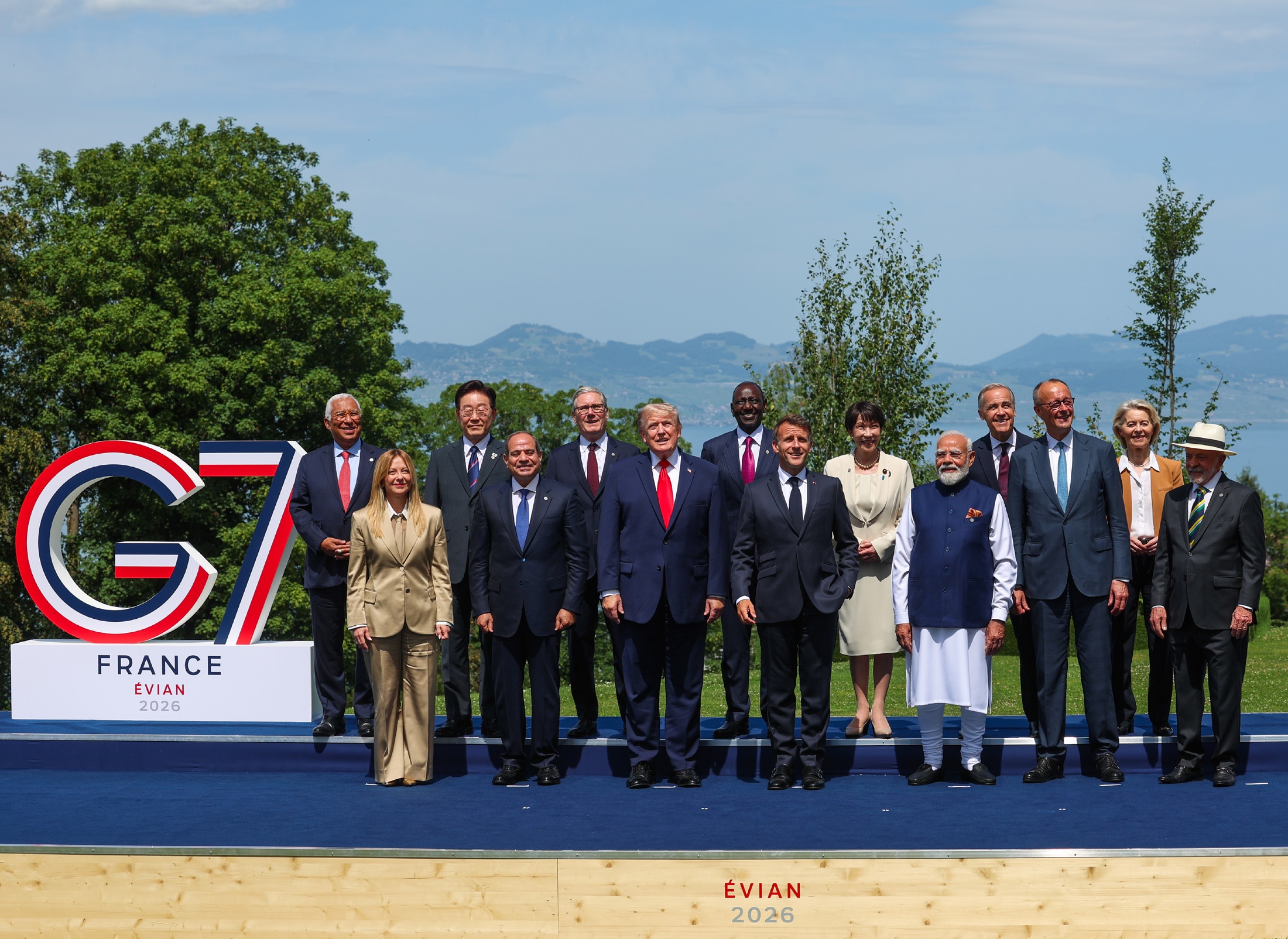
EVIAN-LES-BAINS, June 17 (Parliament Politics Magazine) – Leaders of the G7 nations officially demanded an immediate ceasefire in Lebanon on Wednesday, while simultaneously expressing support for an interim peace agreement between the United States and Iran. The announcement, delivered during a summit held in the French town of Évian-les-Bains, comes as the global community seeks to stabilize energy supplies and address ongoing security threats across the Middle East.
G7 Proclamations on Lebanon
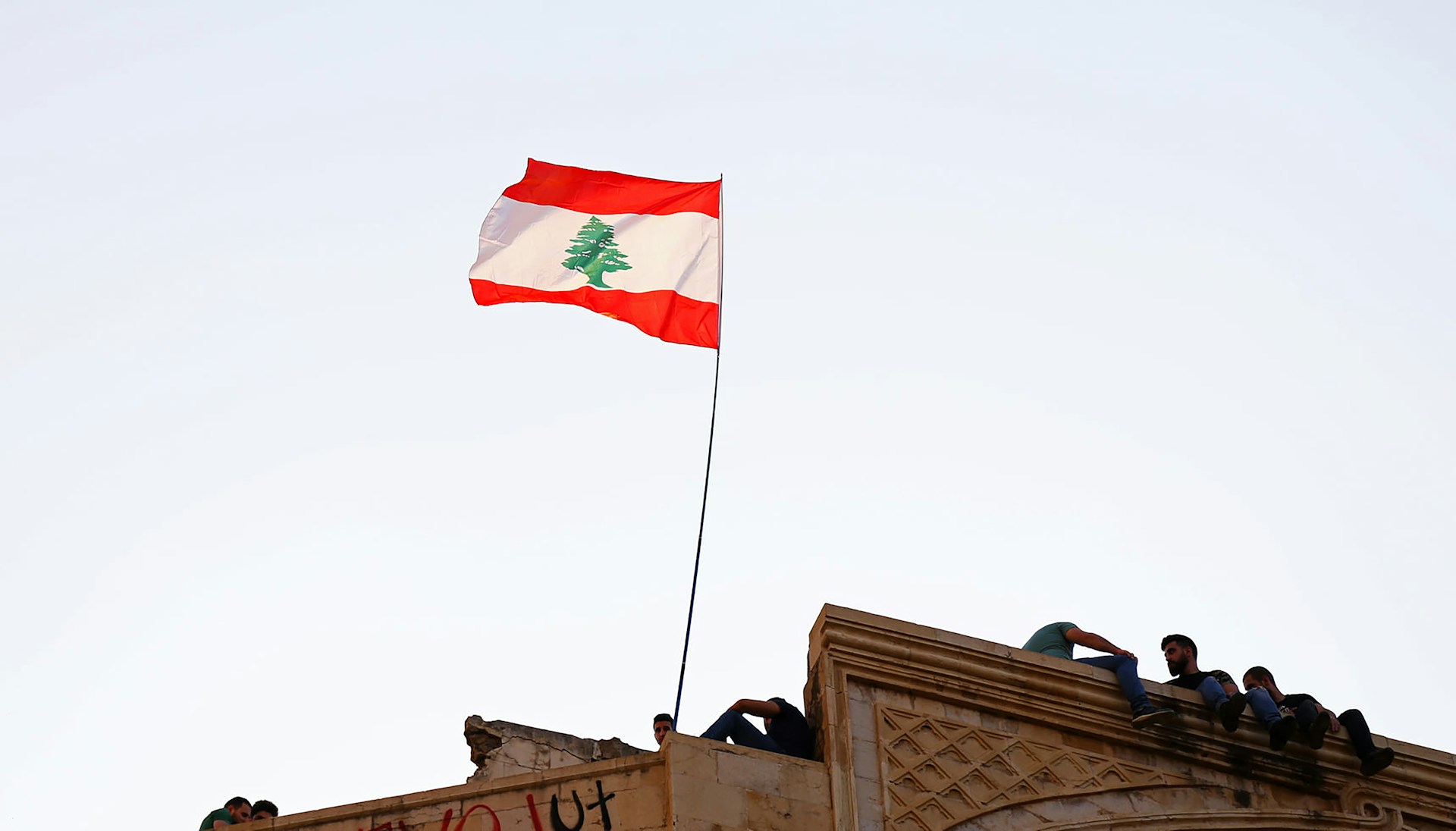
The collective group of international leaders issued a formal statement calling for an immediate robust ceasefire in Lebanon. This demand follows months of intense military engagement that has resulted in significant displacement, with over a million individuals forced from their homes in southern Lebanon.
The G7 position also includes a clear requirement for the disarmament of Hezbollah. This militant group has maintained a presence in the border region throughout the conflict, which began after the organization conducted cross-border strikes in solidarity with Tehran. While the G7 leaders pressed for this cessation of hostilities, the situation on the ground remains volatile due to the continued presence of Israeli forces within southern Lebanese territory.
Framework for U.S. Iran Relations
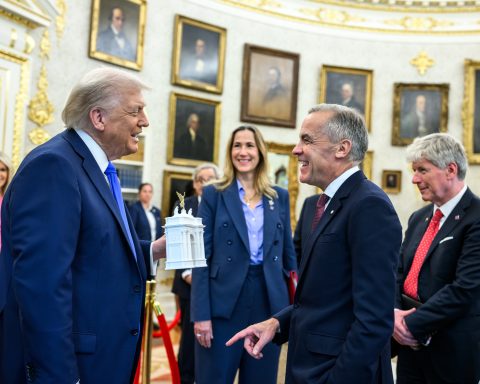
The summit provided U.S. President Donald Trump the opportunity to present the details of a new 14-point framework agreement to his counterparts from Britain, Canada, France, Germany, Italy, and Japan. This memorandum of understanding, which is expected to be unveiled formally in Switzerland on Friday, serves as an interim accord.
The agreement extends a previous ceasefire that was originally announced in April for an additional 60 days. This period is intended to provide both Washington and Tehran with the necessary window to conduct negotiations toward a permanent truce. Although the specific text of the document has not yet been released to the public, participating leaders indicated that the primary objective is to address threats posed by Iran and ensure the nation never obtains a nuclear weapon.
“We underline the need for the negotiation to address the threats posed by Iran in the region and beyond and ensure that they never obtain a nuclear weapon,” the leaders said in a statement.
Reactions From Market’s
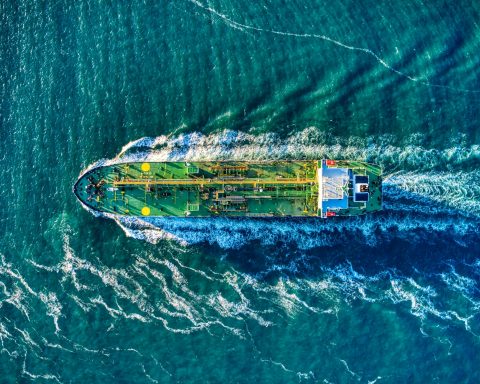
A central component of the discussions in France involved the stability of global energy markets. With the ongoing conflict affecting shipping, the G7 leaders committed to diversifying energy supply routes to reduce global reliance on the Strait of Hormuz.
Following the announcement, Brent crude futures saw a decline, dropping below $80 per barrel. This shift marks the lowest price level recorded since the beginning of the U.S.-Iran conflict. According to official reports, the agreement involves the reopening of the Strait of Hormuz and a pledge from the U.S. to waive sanctions on Iranian oil. While industry experts anticipate a recovery in production, they note that the return to full output capacity will likely take several months.
Future Economic Reconstruction
The proposed peace framework includes a significant financial incentive for regional stability. If Iran adheres to the established terms of the 14-point agreement, a $300 billion reconstruction fund will be activated. The funding for this initiative is slated to be provided entirely by neighboring Gulf states.
Despite the promise of financial support and sanctions relief, analysts have pointed out several areas of contention. The current framework does not address Iran’s existing ballistic missile capabilities, nor does it explicitly require the cessation of support for various regional militia groups. Furthermore, the theocratic government in Tehran remains in place, and the nation has not surrendered its stockpile of enriched uranium.
Diplomatic Rifts and Obstacles
Significant diplomatic challenges remain, particularly regarding the role of Israel. The Israeli government was excluded from the U.S.-Iran negotiations and has maintained that it will not withdraw its troops from southern Lebanon, reserving its right to continue the use of military force.
This refusal has created a visible strain in relations between Washington and its regional ally. President Trump expressed public frustration regarding the situation during the summit, stating that he was not satisfied with the way Israel had managed its recent military operations. Conversely, representatives from both Hezbollah and the Iranian government have signaled that a permanent truce will be difficult to achieve without a complete Israeli withdrawal.
The G7 leaders are meeting in a location of historical weight. Évian-les-Bains is the site of the 1938 Évian Conference, an event where international delegates struggled to address the humanitarian crisis of refugees fleeing Nazi Germany. Modern leaders now face their own complex diplomatic landscape as they work to navigate the aftermath of the U.S.-Iran war and the unresolved humanitarian situation in Lebanon.