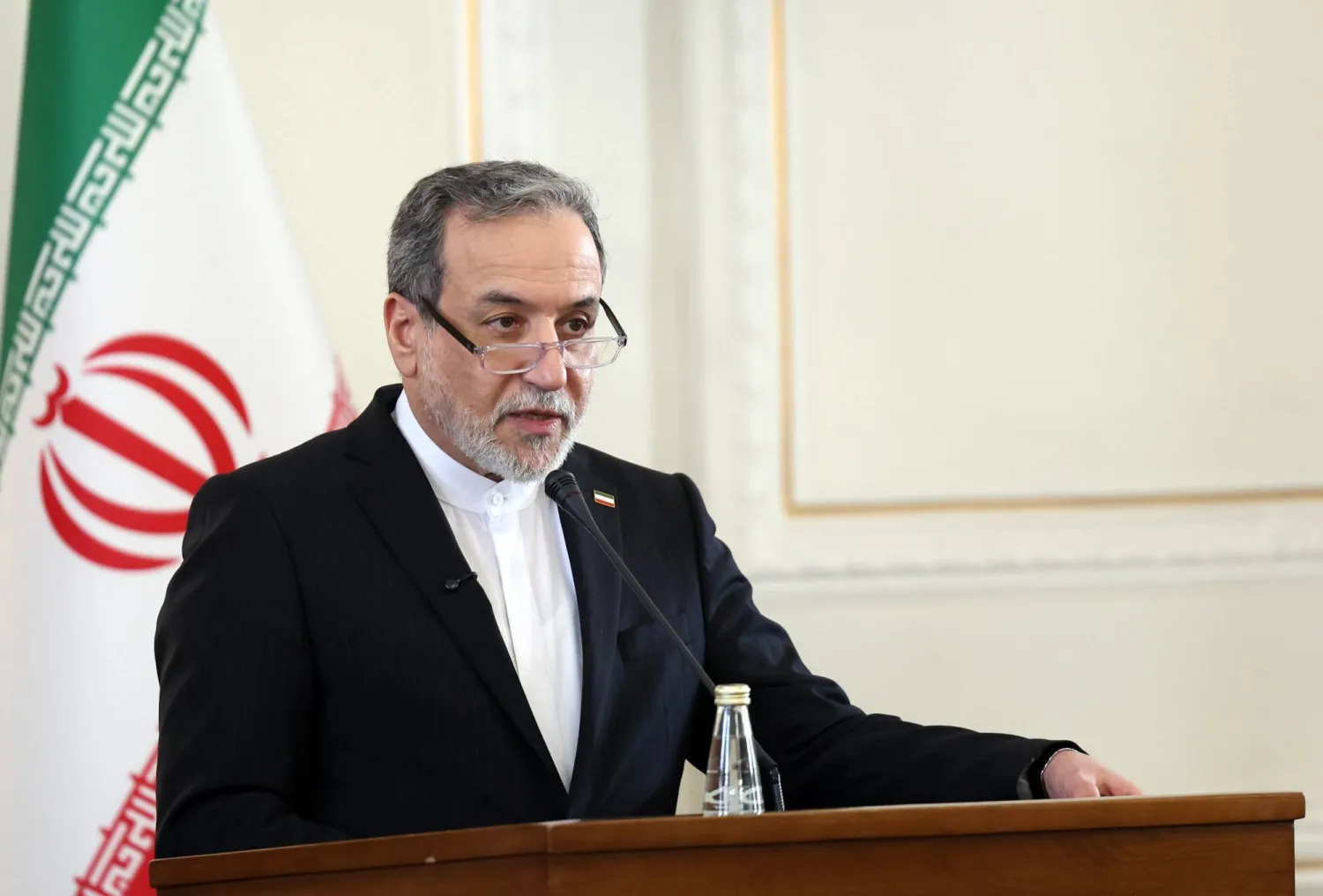
Tehran, March 29, 2026 (Parliament Politics Magazine) Middle East crisis update emerges as tensions intensify Middle East crisis update now dominates international headlines as Iran declares it did not initiate the current conflict but has suffered what officials describe as “significant losses,” prompting a formal call for compensation.
Speaking from Tehran, Iranian authorities emphasized that their actions have remained defensive while the country has absorbed economic, infrastructural, and civilian damage. The government is now urging international recognition of these losses, framing the issue within the context of humanitarian law and global accountability.
A senior official stated,
“We did not start this war, but we have endured serious consequences. The world must recognize these losses and ensure accountability.”
Iran’s Defensive Narrative Gains Attention
Iran continues to position itself as a nation responding to external pressure rather than initiating aggression. Officials insist that all actions taken were aimed at safeguarding sovereignty and national security.
This Middle East crisis update reflects a strategic shift, with Tehran moving beyond military rhetoric toward a legal and diplomatic argument centered on responsibility and compensation.
Analysts note that this framing is intended to influence global perception and strengthen Iran’s position in potential negotiations.
Assessing the Scale of Losses
Iranian officials have outlined multiple categories of losses linked to the ongoing crisis:
- Economic Strain: Disruptions to trade, sanctions pressure, and energy sector impacts
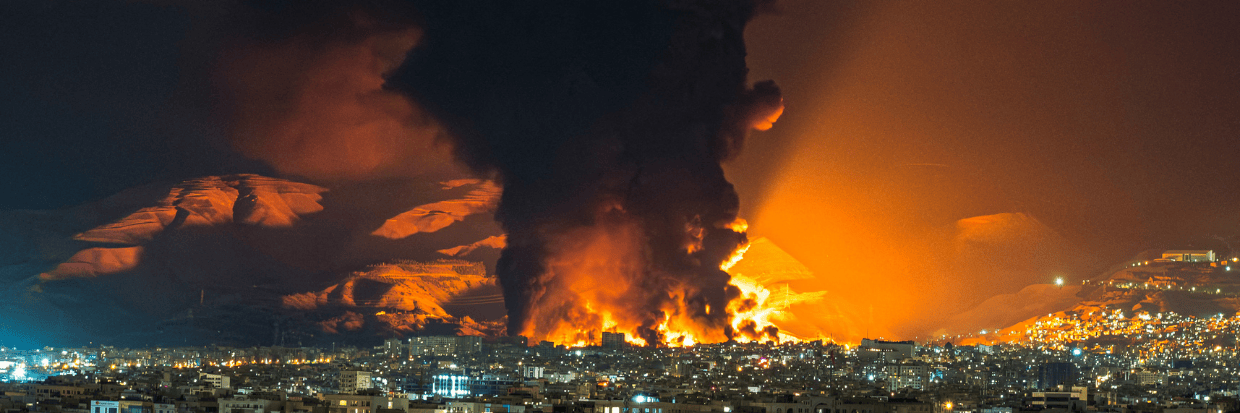
- Infrastructure Damage: Reports of affected transport systems and energy facilities
- Civilian Impact: Displacement concerns and reduced access to essential services
The Middle East crisis update emphasizes these losses as both immediate and long-term, suggesting that recovery could take years if conditions do not stabilize.
Compensation Demand Introduces New Dimension
Iran’s demand for compensation marks a notable shift in the evolving crisis. Rather than focusing solely on military developments, Tehran is introducing a legal and financial dimension to the situation.
Experts suggest this could reshape how the conflict is addressed internationally. A regional observer noted, “This Middle East crisis update is not just about conflict—it’s about accountability and the financial consequences of geopolitical actions.”
While no formal process has yet been initiated, discussions around potential legal pathways are gaining traction.
Legal Considerations Under International Law
The concept of compensation in international disputes is grounded in established legal principles. Countries may seek reparations if they can demonstrate that damages resulted from unlawful actions.
Iran appears to be building its case within this framework, though success would depend on evidence and international support.
The Middle East crisis update highlights the complexity of such claims, as enforcement mechanisms remain limited and often depend on diplomatic consensus.
Global Reactions Remain Divided
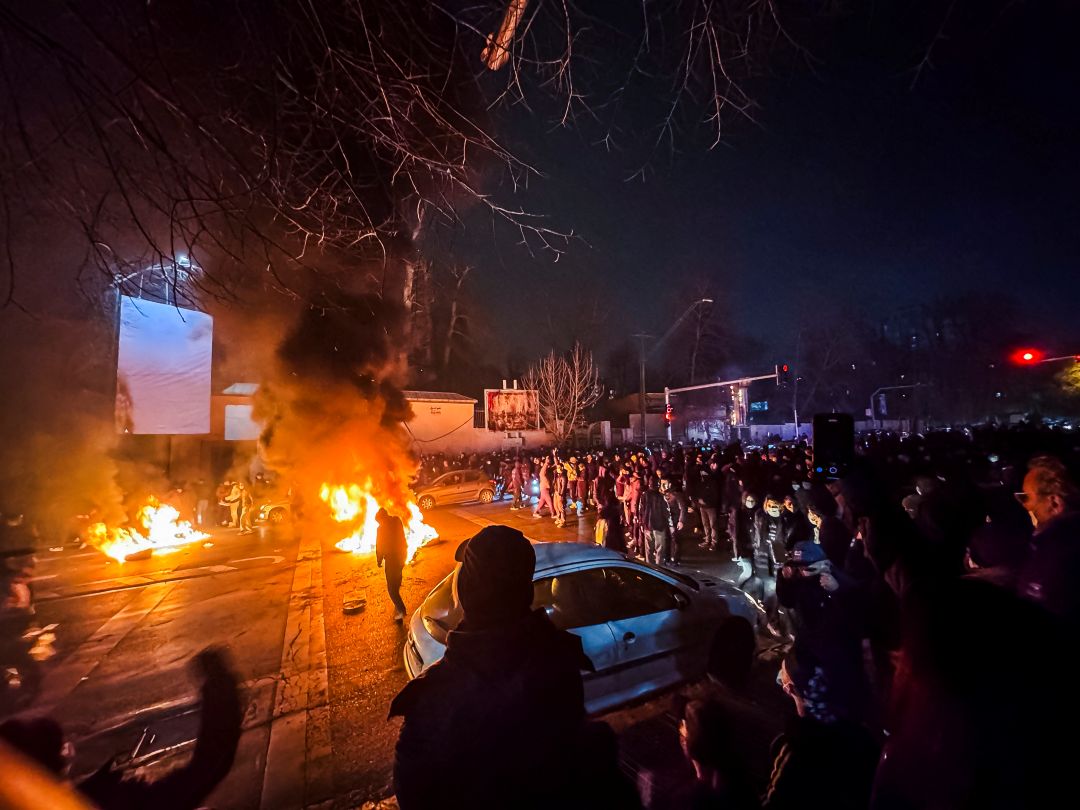
International responses to Iran’s statements have varied significantly:
- Supportive Perspectives: Calls for humanitarian considerations and de-escalation
- Critical Views: Skepticism regarding Iran’s claims and broader geopolitical context
- Neutral Positions: Emphasis on dialogue and conflict resolution
This division underscores the challenges associated with advancing compensation claims and resolving the broader crisis.
Economic and Energy Market Implications
The ongoing situation—and the introduction of compensation demands—has begun to impact global markets.
Energy analysts warn that continued instability in the region could disrupt supply chains and lead to price fluctuations. Investors are closely monitoring developments, particularly signs of escalation or diplomatic breakthroughs.
The Middle East crisis update signals that uncertainty may persist, influencing economic forecasts and strategic planning worldwide.
Diplomatic Efforts and Potential Outcomes
Despite heightened tensions, diplomatic channels remain active. Several international actors are reportedly working to facilitate dialogue between Iran and other stakeholders.
The introduction of compensation demands could complicate negotiations but may also provide a framework for broader discussions.
Potential pathways forward include:
- Structured negotiations addressing economic damages
- Agreements aimed at de-escalation
- International mediation efforts
However, the outcome remains uncertain as all sides weigh their strategic options.
Historical Context of Compensation Claims
Compensation has played a role in past conflicts, often forming part of broader peace agreements. In some cases, reparations have helped rebuild affected regions and restore stability.
In others, disputes over compensation have prolonged tensions.
This Middle East crisis update reflects Iran’s attempt to align its position with historical precedents, leveraging past examples to support its claims.
Strategic Outlook for 2026
The focus on compensation suggests a shift in how the crisis may evolve:
- Legal Framing: Moving toward accountability and reparations
- Extended Timeline: Potential for prolonged negotiations
- Global Involvement: Increased attention from international organizations
The Middle East crisis update indicates that the situation is transitioning into a more complex, multi-dimensional conflict.
Key Developments to Watch
Several factors will shape future developments:
- Whether Iran formally pursues compensation through international channels
- Responses from the United States and allied nations
- The role of global institutions in mediating disputes
- Economic and market impacts resulting from prolonged instability
Each of these elements will influence the trajectory of the crisis.
A Crisis Redefined by Accountability
The Middle East crisis update underscores a significant shift in the narrative surrounding the conflict. By emphasizing losses and calling for compensation, Iran is attempting to reframe the situation on legal and humanitarian grounds.
Whether this approach will lead to resolution or further escalation remains to be seen. What is clear is that the crisis is evolving beyond traditional military dynamics into a broader struggle involving diplomacy, economics, and international law.
Key Developments
- Middle East crisis update reveals Iran’s claim of significant losses
- Tehran denies initiating conflict and demands compensation
- Global reactions remain divided amid rising tensions
- Economic and energy markets show signs of instability
- Diplomatic efforts continue but face increasing challenges