Global Markets (Parliament Politics Magazine) The smartphone industry outlook remains a major focus for technology companies, investors, and consumers as the worldwide mobile device market enters a period of transition. Industry analysts report that smartphone shipments are expected to grow more slowly than in previous years as manufacturers confront changing consumer habits, economic uncertainty, and increasing competition across nearly every market segment.
The latest forecasts indicate that the smartphone industry outlook is increasingly being shaped by innovation rather than replacement demand. Consumers are keeping their devices longer, forcing manufacturers to create new reasons for upgrades beyond traditional hardware improvements.
Artificial Intelligence Drives the Next Growth Phase
Artificial intelligence has become one of the most influential factors affecting the smartphone industry outlook in 2026. Leading manufacturers are introducing AI-powered features designed to improve productivity, photography, security, translation, and voice interaction.
Industry observers believe AI represents the strongest opportunity for smartphone makers to reignite consumer interest. Rather than focusing solely on faster processors or improved displays, companies are emphasizing software capabilities that provide practical everyday benefits.
“The future of smartphones will depend on how effectively AI improves the user experience,”
said one technology market analyst.
“Consumers want features that solve problems, not just specifications on paper.”
The growing importance of AI continues to reshape the smartphone industry outlook as companies invest heavily in machine learning and on-device processing technologies.
Consumers Extend Upgrade Cycles
A major challenge influencing the smartphone industry outlook is the growing tendency of consumers to keep their devices longer. Smartphones today offer stronger durability, longer battery life, and extended software support compared with devices released a decade ago.
Many consumers now wait four or five years before replacing their phones. This trend has reduced annual replacement demand and forced manufacturers to adapt their business strategies.
Economic pressures have also contributed to slower upgrade activity. Rising living costs in many regions have encouraged households to delay discretionary purchases, including smartphones.
As a result, the smartphone industry outlook remains closely tied to broader economic conditions and consumer confidence.
Premium Devices Continue to Lead Sales
While overall market growth remains moderate, premium smartphones continue to outperform many lower-priced alternatives. Consumers willing to invest in flagship devices are often attracted by advanced camera systems, AI-powered features, and enhanced security capabilities.
Manufacturers have increasingly focused resources on premium product categories because they generate higher profit margins and stronger customer loyalty.
This shift toward premium devices has become an important element of the smartphone industry outlook, particularly as competition intensifies within the mid-range market.
“Premium customers continue to value innovation and reliability,”
noted a global consumer electronics researcher.
“That segment remains one of the healthiest areas of the market.”
Supply Chains Remain a Critical Concern
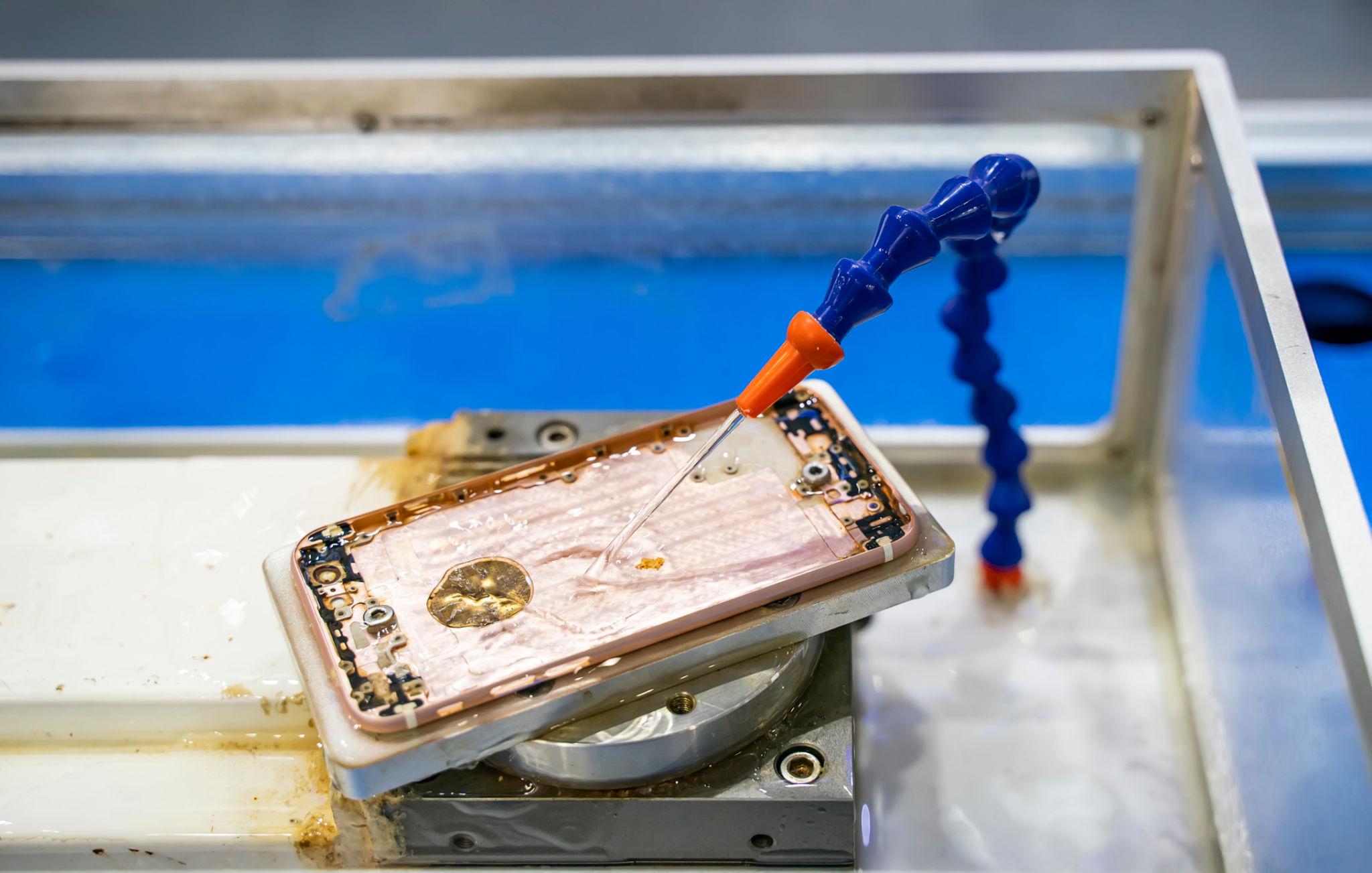
Supply chain stability continues to influence the smartphone industry outlook despite improvements in semiconductor availability compared with previous years.
Manufacturers have diversified suppliers and strengthened inventory management practices to reduce risk. However, geopolitical tensions, transportation disruptions, and component shortages still pose potential challenges.
Technology companies remain cautious about future disruptions that could impact production schedules and product launches.
Industry experts warn that maintaining resilient supply networks will remain essential as smartphone manufacturers compete in an increasingly complex global environment.
Emerging Markets Offer Growth Opportunities
Although mature markets are experiencing slower growth, emerging economies continue providing opportunities for expansion. Increased internet access, mobile banking adoption, and expanding telecommunications infrastructure are driving smartphone demand in several regions.
The smartphone industry outlook remains more positive in markets where smartphone penetration rates have not yet reached saturation levels. Manufacturers are introducing affordable models tailored to local consumer needs while expanding distribution networks.
Many analysts believe emerging markets could become a major source of future industry growth over the next decade.
Innovation Remains the Key Competitive Advantage
The smartphone industry outlook ultimately depends on the industry’s ability to deliver meaningful innovation. Consumers are increasingly selective when considering upgrades and expect clear improvements in functionality, performance, and convenience.
Manufacturers are exploring foldable devices, enhanced AI assistants, improved battery technologies, and advanced connectivity solutions as potential growth drivers. Success will depend on whether these innovations provide tangible value that encourages consumers to replace older devices.
“The smartphone market is evolving rather than declining,” said a senior technology consultant. “Companies that successfully combine innovation with practical benefits will be best positioned for long-term growth.”
Industry Outlook for the Remainder of 2026
Analysts expect the smartphone industry outlook to remain cautiously optimistic through the remainder of the year. While challenges related to replacement cycles and consumer spending persist, continued investment in artificial intelligence and premium device categories could support gradual market improvement.
Manufacturers are expected to focus on differentiation through software, ecosystem integration, and user experience enhancements. These strategies may help create new demand and strengthen customer retention.
The smartphone industry outlook will continue serving as an important indicator of broader technology sector health as companies navigate changing consumer expectations and evolving market conditions.
What the Smartphone Industry Outlook Means for the Future
The smartphone industry outlook in 2026 reflects an industry undergoing significant transformation. Artificial intelligence is creating new opportunities while longer replacement cycles and economic pressures present ongoing challenges. Premium devices remain resilient, emerging markets offer growth potential, and innovation continues to drive competition. As manufacturers adapt to changing consumer behavior, the smartphone industry outlook will remain closely watched by investors, technology companies, and consumers worldwide.