MUNICH, Germany (Parliament Politics Magazine) Germany technology sector is attracting renewed international attention as Uber and Autobrains move forward with plans aimed at bringing robotaxi services to Munich. The initiative highlights the growing importance of artificial intelligence, autonomous driving systems, and next-generation mobility solutions within Europe’s largest economy.
The proposed deployment comes as the Germany technology sector continues expanding beyond traditional engineering and manufacturing strengths into software development, autonomous transportation, and artificial intelligence applications. Industry observers view Munich as a natural location for advanced mobility projects due to its strong automotive ecosystem and reputation for innovation.
Autonomous Mobility Becomes a Key Growth Area
The latest robotaxi initiative reflects broader trends shaping the Germany technology sector. Companies across Europe are investing heavily in autonomous transportation technologies as they seek to improve efficiency, reduce operating costs, and create new mobility options for urban populations.
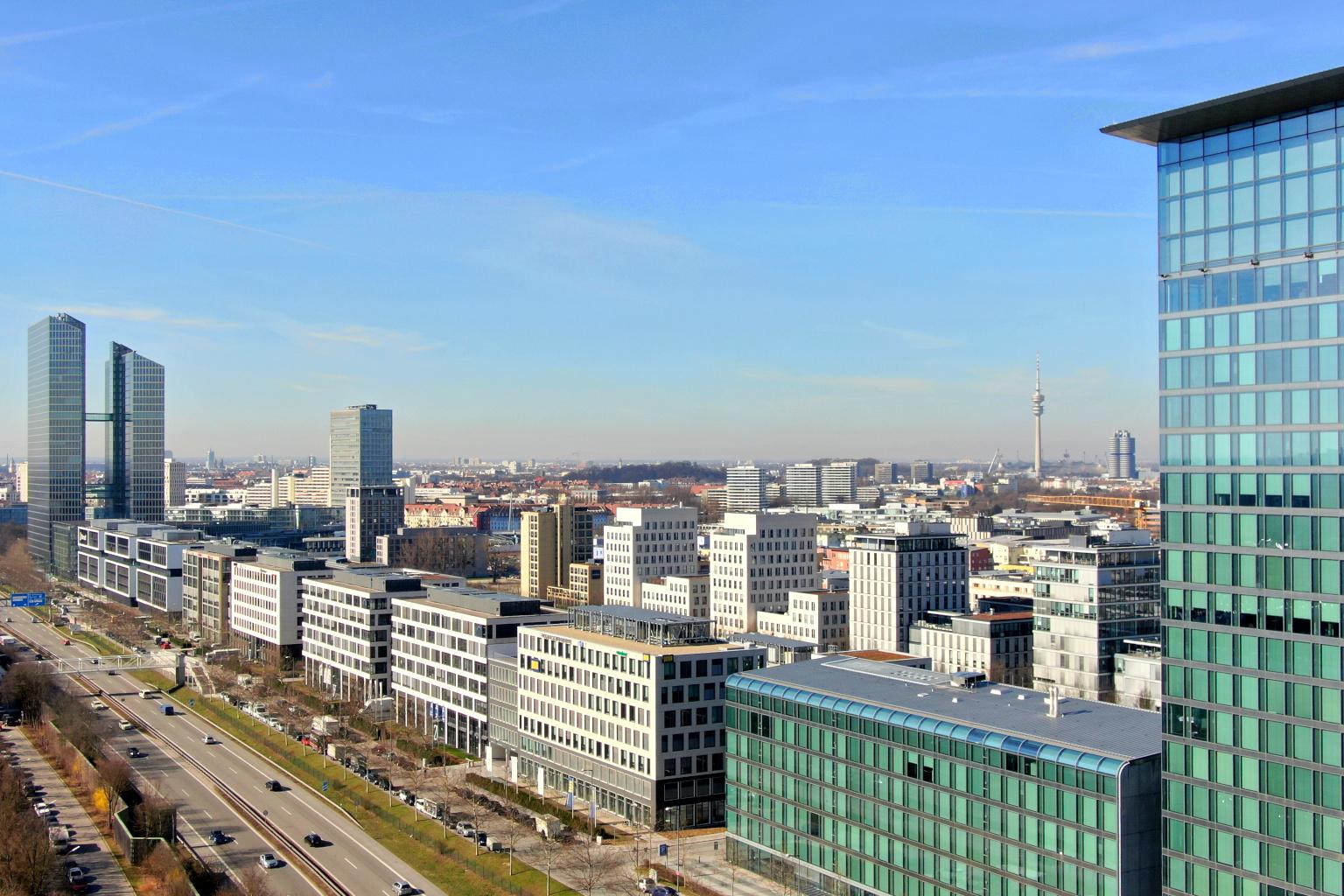
Munich has emerged as one of the continent’s most attractive locations for testing advanced transportation systems. The city combines automotive expertise, research institutions, and modern infrastructure that support innovation in mobility technologies.
Analysts believe autonomous transportation could become one of the most influential segments of the Germany technology sector during the next decade.
“Autonomous mobility is rapidly becoming one of the most important innovation opportunities in the transportation industry,”
said a European mobility analyst.
Uber Expands Its Autonomous Vehicle Strategy
Uber’s collaboration with Autobrains demonstrates how ride-hailing companies are increasingly partnering with artificial intelligence developers to accelerate self-driving vehicle deployment. The partnership seeks to combine transportation network expertise with advanced autonomous navigation systems.
The move has generated significant interest throughout the Germany technology sector because it represents another step toward commercializing self-driving transportation services. Companies operating in the mobility sector continue searching for ways to improve passenger experiences while reducing long-term operating expenses.
Industry experts note that successful deployments could reshape urban transportation networks throughout Europe.
Autobrains Brings AI Innovation to the Project
Autobrains specializes in artificial intelligence systems designed to help vehicles interpret and respond to complex driving environments. The company’s technology focuses on efficient decision-making processes that support autonomous operation without requiring excessive computing power.
Supporters argue that innovations like these strengthen the Germany technology sector by encouraging collaboration between software developers, automotive manufacturers, and transportation service providers. The growing integration of AI into transportation systems continues attracting investor interest across Europe.
Many experts believe artificial intelligence will remain one of the fastest-growing segments within the technology industry for years to come.

Munich Strengthens Its Position as an Innovation Hub
Munich’s role within the Germany technology sector has expanded significantly over recent years. The city hosts major automotive manufacturers, technology firms, engineering companies, and research institutions that contribute to innovation across multiple industries.
Local economic development efforts have also focused on attracting technology investment and supporting startup ecosystems. These factors have helped establish Munich as a leading destination for mobility and artificial intelligence projects.
The robotaxi initiative further reinforces the city’s growing reputation as a center for advanced transportation technology.
“Munich offers a unique combination of engineering talent, research expertise, and industrial infrastructure,”
noted a transportation consultant.
Regulatory Approval Remains Essential
Although enthusiasm surrounding autonomous transportation remains high, regulatory approval continues to play a critical role in determining deployment timelines. Government agencies are working closely with industry participants to develop safety standards and operational frameworks.
The Germany technology sector has generally benefited from constructive discussions between regulators and innovators seeking to balance technological progress with public safety requirements. Companies recognize that consumer trust will be essential for widespread adoption.
Successful implementation will likely depend on demonstrating safety, reliability, and transparency throughout testing and deployment phases.
Competition Intensifies Across Europe
The race to develop autonomous transportation services is becoming increasingly competitive. Technology firms, automotive manufacturers, and mobility companies are investing billions of dollars globally in research and development.
This competition has accelerated innovation throughout the Germany technology sector, encouraging companies to pursue new partnerships and technological breakthroughs. Industry observers expect investment activity to remain strong as organizations seek leadership positions within the emerging autonomous mobility market.
The outcome of these efforts could influence transportation systems across Europe during the coming decade.
Historical Evolution of Germany’s Technology Leadership
The Germany technology sector has evolved considerably from its origins in industrial engineering and manufacturing. Over the years, advances in software, automation, robotics, and artificial intelligence have expanded the country’s technological capabilities.
Germany’s success in automotive engineering created a strong foundation for innovation in autonomous mobility. Today’s technology companies increasingly combine traditional engineering expertise with advanced digital solutions to address emerging transportation challenges.
This evolution has positioned Germany among the world’s most influential technology and innovation centers.
“Germany’s strength has always been its ability to combine engineering excellence with practical innovation,”
said an economist specializing in European industry.
Investment Outlook Remains Positive
Investors continue monitoring developments within autonomous transportation because they view the sector as a major long-term growth opportunity. Projects such as the Munich robotaxi initiative provide insight into how quickly commercial deployment may occur.
The Germany technology sector remains well positioned to benefit from growing demand for artificial intelligence, automation, and smart mobility solutions. Continued investment in research, infrastructure, and technology partnerships is expected to support future growth.
Market analysts believe innovation-driven sectors will remain important contributors to Germany’s economic competitiveness.

What the Munich Robotaxi Initiative Means for Germany’s Future
The proposed robotaxi deployment highlights how the Germany technology sector is evolving to meet the demands of a rapidly changing global economy. By combining artificial intelligence, autonomous driving systems, and transportation expertise, companies are pursuing new opportunities that could reshape urban mobility.
While regulatory approvals and public acceptance remain important considerations, the project underscores Germany’s commitment to technological innovation. As autonomous transportation continues developing, Munich’s role in advancing next-generation mobility solutions may become increasingly significant for both the national economy and the broader European technology landscape.