
New York, United States – February 24, 2026 — According to Parliament News, that Sports tech investment is expanding at a record pace in 2026, with New York standing at the center of global capital flows into athletic innovation. Venture capital firms, institutional investors, sovereign wealth funds, and private equity groups are directing billions of dollars into artificial intelligence platforms, smart infrastructure, immersive media systems, and performance analytics tools. Market analysts describe the acceleration as structural rather than cyclical, signaling a long term transformation in the economics of professional sports.
Industry data from the first quarter of the year shows that sports tech investment activity has reached historic levels. Unlike earlier funding waves that concentrated on franchise ownership or broadcasting rights, today’s capital deployment focuses on scalable digital ecosystems that can generate recurring revenue across global markets.
Capital Flows Reflect Structural Change
Wall Street firms report that deal activity tied to technology driven sports ventures has intensified since the beginning of 2026. Investment committees increasingly evaluate athletic organizations through the lens of data science and digital scalability rather than ticket sales alone.
The rise in sports tech investment is closely linked to evolving revenue models. Subscription streaming, real time digital advertising, performance data licensing, and integrated fan engagement platforms now contribute significantly to projected valuations. These revenue channels offer more predictable cash flow compared to traditional broadcast agreements.
Institutional investors are particularly drawn to infrastructure projects that combine physical and digital assets. Smart stadium renovations, biometric access systems, and integrated mobile commerce platforms create hybrid environments that support both live attendance and remote participation.
Artificial Intelligence Drives Competitive Advantage
Artificial intelligence has become central to modern athletic strategy. Machine learning models analyze thousands of data points per second, evaluating player speed, endurance patterns, tactical positioning, and injury probability.
Teams deploying advanced analytics gain measurable performance benefits. Coaches use predictive simulations to test formations before matches, while management relies on algorithmic scouting tools to identify undervalued international talent.
The measurable impact of AI on competitive outcomes has strengthened investor confidence. Sports tech investment in analytics firms continues to grow as demand spreads across football, basketball, baseball, and emerging global leagues.
Beyond performance optimization, AI enhances broadcast experiences by generating real time statistics and predictive graphics that deepen fan engagement.
Smart Stadiums and Digital Infrastructure
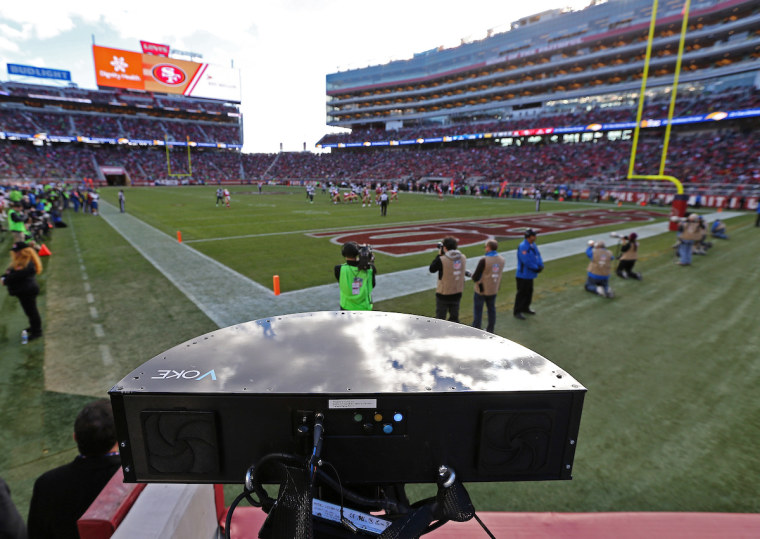
Modern sports venues are evolving into technology integrated environments. High density connectivity, contactless payment systems, and personalized digital advertising have redefined the in stadium experience.
Operators collect anonymized behavioral data that informs sponsorship pricing and concession planning. Digital ordering platforms increase transaction speed while reducing operational inefficiencies.
For capital providers, infrastructure upgrades represent long horizon investments supported by tangible assets. This stability explains why pension funds and insurance backed portfolios are participating more actively in sports tech investment initiatives.

Streaming Platforms Expand Global Reach
Direct to consumer streaming continues to reshape media distribution. Professional leagues now operate proprietary platforms offering exclusive content, interactive viewing options, and subscription packages tailored to international audiences.
The globalization of digital sports consumption has increased demand for scalable cloud infrastructure and cybersecurity systems. As broadband access expands in emerging markets, new subscriber bases generate incremental revenue streams.
Ownership of user data strengthens marketing precision and cross industry partnerships. Investors recognize that long term growth depends on retaining control over digital distribution channels.
Venture Capital and Institutional Momentum
While early stage startups remain active, large institutional players are shaping the broader landscape. Private equity firms are acquiring analytics companies, while sovereign wealth funds diversify portfolios by investing in technology driven sports ventures.
Funding rounds in 2026 reflect growing confidence in sustainable growth models. Sports tech investment is increasingly evaluated based on recurring revenue potential rather than speculative expansion.
One industry executive summarized the transformation by stating,
“Technology is no longer optional in professional sports. It defines how organizations compete, connect, and grow.”
This perspective aligns with the broader financial narrative supporting continued capital deployment.
Data Monetization and Commercial Strategy
Performance tracking systems, wearable sensors, and digital engagement platforms generate vast datasets. Organizations monetize this information through licensing agreements, advertising personalization, and strategic research partnerships.
Targeted sponsorship integration during live broadcasts improves advertising efficiency. Brands value the ability to reach segmented audiences based on detailed consumption patterns.
The diversification of revenue streams reinforces the structural foundation underlying sports tech investment growth.
Regulatory and Governance Considerations
Rapid innovation has prompted closer regulatory scrutiny. Data privacy standards, cross border licensing requirements, and digital transaction security frameworks require careful compliance.
Investors emphasize due diligence when evaluating companies operating across multiple jurisdictions. Transparent governance structures and secure data management practices are increasingly central to valuation assessments.
Despite regulatory complexities, the demand for technological integration remains resilient, suggesting that sports tech investment is supported by fundamental market forces.
Economic Impact in New York
New York’s concentration of financial institutions, professional franchises, and technology incubators has created a powerful innovation ecosystem. Employment in data analytics, software development, and cybersecurity has expanded alongside funding activity.
Universities collaborate with sports organizations to develop research initiatives in biomechanics and performance optimization. Foreign capital inflows continue to support large scale infrastructure projects.
This localized concentration of expertise reinforces New York’s leadership role in global sports tech investment activity.
Global Expansion and Emerging Markets
Outside the United States, European football associations and Asian leagues are rapidly integrating advanced analytics and immersive media technologies. Emerging markets present significant opportunities due to expanding digital connectivity and youthful demographics.
International partnerships accelerate infrastructure deployment and knowledge transfer. As adoption spreads across continents, sports tech investment benefits from geographic diversification.
Historic Comparison
The current transformation mirrors earlier technological milestones in sports history. Radio broadcasting once expanded game accessibility beyond stadium walls. Television later introduced global advertising models that reshaped league economics.
Today’s digital shift integrates analytics, infrastructure modernization, and media distribution simultaneously. Unlike previous transitions, this evolution connects performance data, fan engagement, and commercial monetization into a unified ecosystem.
Historical patterns suggest that once technological innovation becomes embedded, it rarely reverses. In this context, sports tech investment represents a continuation of long term modernization rather than a temporary trend.