

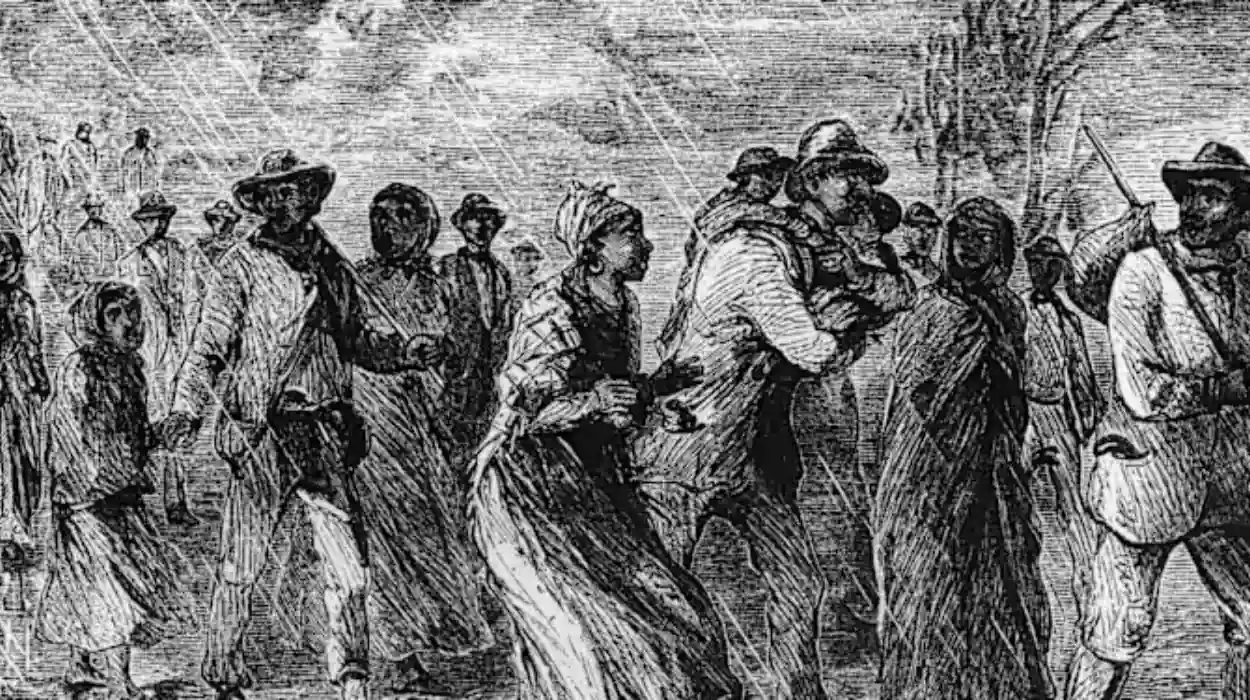
Imagine a world where the ownership of another human being was an accepted and regulated practice. For centuries, this was the case across the globe, including in the American colonies and Great Britain. But a powerful idea began to take root: that all human beings had the right to be free. This powerful idea initiated a difficult struggle known as the abolitionist movement.
This guide will take you back to the very beginning of this remarkable story. It will help you understand the events, people, and ideas that led to the very first steps of the abolitionist movement. When you realize the beginning of the abolitionist movement, you will see how people are able to come together in order to confront injustice and change the course of the world.
What Was the Abolitionist Movement?
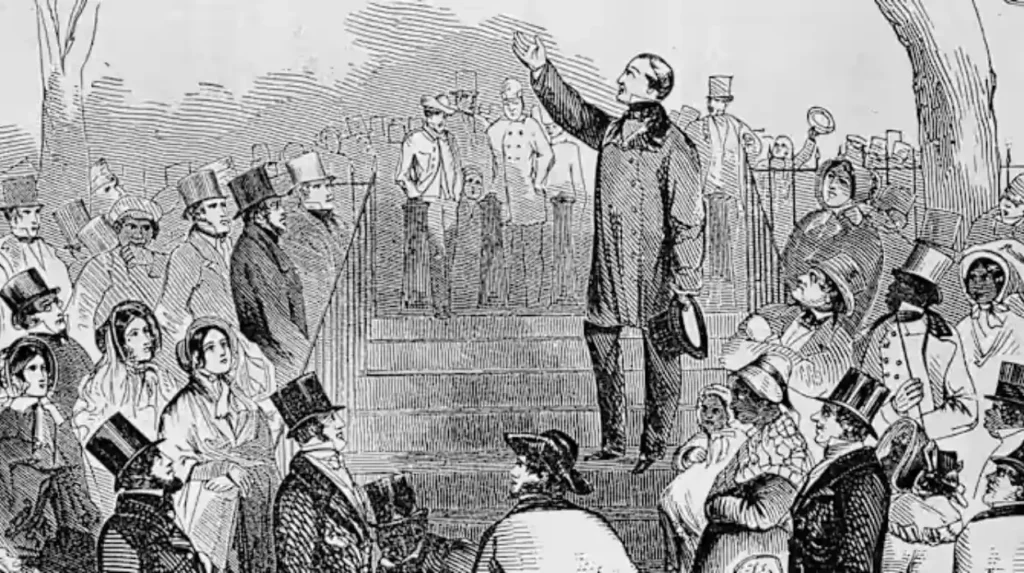
Before we explore the beginning of the abolitionist movement, let’s define what it was. The abolitionist movement was an organized effort to end slavery and the slave trade. The people who participated in this movement were called “abolitionists” because they wanted to “abolish” or put an end to slavery altogether.
This was a radical idea in the 1700s. Many of the world’s wealthy and powerful nations built their economies on the backs of enslaved African people. To argue against slavery was to argue against the financial interests of the wealthy and powerful and was a brave and dangerous position to take.
The Seeds of Change: Ideas That Sparked a Revolution
The abolitionist movement did not happen overnight. New ways of thinking that spread across Europe and America.
The Enlightenment
The Enlightenment was a time in the 18th century when reason, science, and individual rights were emphasized as a basis for action. Thinkers and philosophers like John Locke made arguments that every person had natural rights to life, liberty, and property.
Thinkers began to ask a very simple but powerful question: If all people have these rights, how could slavery be justified? This kind of logic became a powerful weapon against slave owners.
The Role of Religious Revival
In the American colonies, the First Great Awakening was a moment of religious fervor where preachers emphasized a personal relationship with God and the idea that all souls were equal in God’s eyes. Religious groups like the Quakers (or Society of Friends) were among the very first to condemn slavery as a sin. They warned that there was no morality involved when people were buying and selling other people.
Key Early Steps: The Beginning of the Journey to Abolition
Ideas were important; real movement required action to give them life. Here are a few of the important early steps.
The Quakers Lead the Way
As early as 1688, a group of Quakers in Germantown, Pennsylvania, issued the first organized protests against slavery in the American colonies. It didn’t change the law immediately; it was vital as a precedent. By the late 1700s, Quakers on both sides of the Atlantic were prohibiting their own members from owning slaves and became the backbone of the early campaign against slavery.
The Somerset Case (1772)
This was a major court event in England. An enslaved person named James Somerset was brought to England by his owner. Somerset escaped and was recaptured. Somerset’s lawyers argued that there was no law in England that permitted slavery.
The judge agreed, asserting that slavery is “so odious” that it could not exist where there is no positive law to endorse it. The ruling did not end slavery in the British Empire but generated a shockwave to the system.
That essentially sent a message that English common law did not endorse slavery, gave momentum to abolitionists, and offered hope to the enslaved.
The American Revolution’s Paradox
The American Revolution (1775-1783) was based on principles of liberty and freedom from tyranny. It generated a paradox. How could American colonists fight for their freedom while denying it to others? Figures like Benjamin Franklin and Thomas Jefferson (despite being a slave owner) were grappling with the principles of liberty and rights of humanity over the institution of slavery.
The national discussion thrust the issue of slavery into the public conscience and view like never before.
The First Organizations: Protesting Transitioned to Policy
The most obvious indicator that the abolitionist movement had begun was the establishment of formal societies and groups to advance the cause of abolition.
The Society for Effecting the Abolition of the Slave Trade (1787)
The Society for Effecting the Abolition of the Slave Trade, organized in London, was arguably the first national abolitionist society. It was started by a number of Quakers; it also had enthusiastic non-Quaker members, such as Thomas Clarkson and William Wilberforce.
They organized around rational ideas, gathered evidence, circulated pamphlets, produced boycotts of sugar produced through slave labor, utilized lobbying techniques towards politicians, and designed a now famous logo of a kneeling enslaved man, bound in chains, with a phrase, “Am I not a man and a brother?” This image turned into a momentous piece of protest art in history.
The Pennsylvania Abolition Society (1775)
The organization was founded primarily by Quakers with Benjamin Franklin. The first abolitionist society in America was focused on providing legal resources to slaves and lobbying the new American government to reach the expectation of freedom.
The Voices of the Enslaved: The Most Effective Weapon
There can be no consideration of how the abolitionist movement began without taking into account the people who struggled for their own freedom. Their first-hand voice would be the most potent weapon.
The Rise of the Slave Narrative
Enslaved people who managed to escape, or those who were free, began to write and speak about their experiences. These slave narratives were able to expose the reality of slavery, the violence, the destruction of families, and the inhumane conditions to a public that was turned away from the truth.
The Incredible Olaudah Equiano
One of the notable figures was Olaudah Equiano. He was born in West Africa, enslaved as a child, and later purchased his freedom. He published his autobiography, The Interesting Narrative of the Life of Olaudah Equiano, in 1789. It became an enormous bestseller.
His passionate and powerful description of the horrors of the Middle Passage (the journey of slave ships from Africa) helped to convince thousands of readers in Britain that the slave trade was an evil that must be stopped.
The First Major Victory: The Slave Trade Act of 1807
After decades of campaigning, the movement finally enjoyed its first major triumph. The same year, Great Britain and the United States both passed laws to abolish the international slave trade.
- In Britain, due to the determination of William Wilberforce in Parliament, the Abolition of the Slave Trade Act had become law.
- In the United States, President Thomas Jefferson had signed a bill prohibiting the import of enslaved people into the country, to take effect on January 1, 1808.
This did not end slavery itself. There were still enslaved people, and they were traded as slaves domestically. But it was a huge success. It demonstrated that the movement could win.
It was a failure for the slave owners who relied on a supply of new enslaved people coming from Africa. Furthermore, it was hoped by the abolition movement that this supply would help slavery to die out in practice if it could not be eliminated fundamentally.
