

Brussels, Belgium | February 18, 2026 — Parliament News — In a year marked by geopolitical strain and economic uncertainty, US diplomacy is under intense scrutiny as American envoys engage in high level talks across Europe. Meetings in Brussels this week have brought together senior officials from the United States and allied governments to address mounting crises that span security, trade, and regional stability.
The convergence of diplomatic discussions in the Belgian capital underscores the central role Brussels continues to play in transatlantic coordination. Analysts say the outcome of these talks could shape the global strategic environment for years to come.
High Stakes Negotiations in the European Capital
The current round of meetings reflects a broader effort to reinforce alliances while confronting instability in multiple regions. At the forefront is US diplomacy, tasked with balancing deterrence strategies and economic coordination at a time when global tensions remain elevated.
Officials describe the atmosphere as cautious but focused. Behind closed doors, negotiators are attempting to bridge policy gaps while signaling unity to external observers.
A senior European diplomat noted that the dialogue
“demonstrates a shared understanding that cooperation remains the strongest path forward in uncertain times.”
The Brussels meetings are not symbolic. They represent substantive policy discussions that could influence defense planning, sanctions enforcement, and international investment flows.
Security Commitments and Strategic Deterrence
Security issues dominate the agenda. With military tensions lingering in several regions, the United States has emphasized the importance of maintaining credible deterrence.
US diplomacy has sought to reassure European partners that existing defense commitments remain intact. Intelligence sharing frameworks and joint military exercises were key topics of discussion.
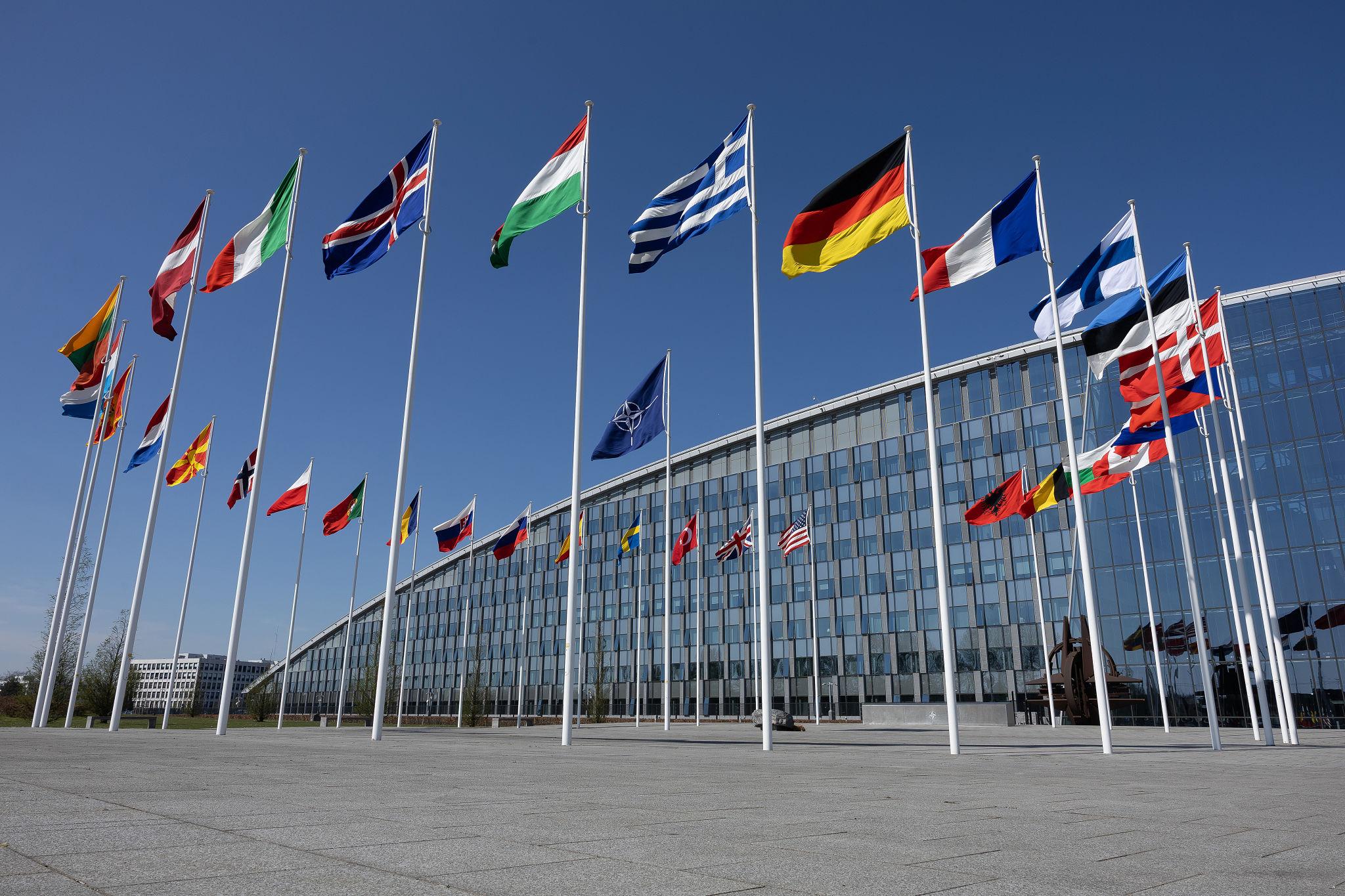
NATO officials also participated in consultations designed to strengthen interoperability among member states. These efforts aim to ensure rapid coordination should crises escalate further.
Diplomatic observers say that maintaining strategic clarity is essential. Mixed signals can undermine deterrence, while consistent messaging reinforces stability.
Economic Stability Amid Global Uncertainty
Economic cooperation is another pillar of the Brussels talks. Inflation pressures, supply chain vulnerabilities, and energy security concerns have reshaped policy priorities on both sides of the Atlantic.
US diplomacy is working to align economic strategies with European counterparts, particularly regarding trade policy and sanctions coordination.
Market analysts suggest that clear communication emerging from Brussels has contributed to relative calm in financial markets. Investors appear to be responding positively to signs of policy continuity.
A US official participating in the meetings stated,
“Our objective is to ensure that economic stability supports security stability, not undermines it.”
The intersection of economic and security policy has become increasingly evident in recent years, making comprehensive dialogue essential.
Diplomatic Coordination Across Multiple Fronts
The complexity of the present moment lies in the need to address several crises simultaneously. US diplomacy must manage transatlantic concerns while remaining engaged in other global theaters.
This balancing act requires careful prioritization. Diplomats are navigating regional conflicts, humanitarian issues, and emerging technological threats without losing focus on long term objectives.
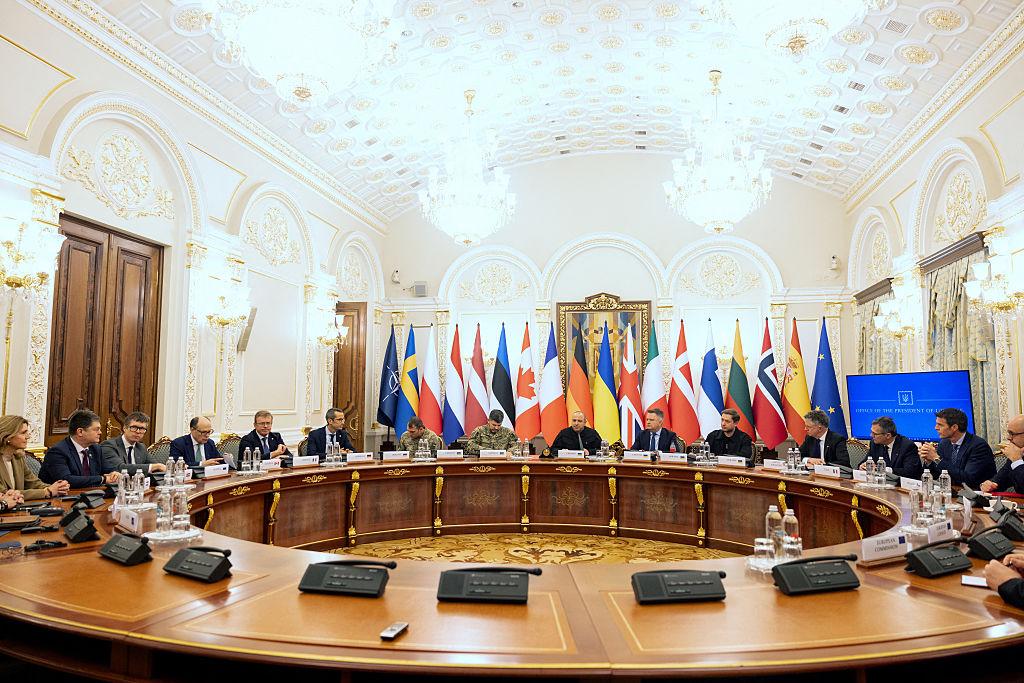
Coordination with international institutions has been a recurring theme. Multilateral frameworks provide structure and legitimacy to negotiations, enabling shared responsibility among allied nations.
Domestic Considerations and Political Signals
While the meetings are international in scope, domestic political factors remain influential. Policymakers in Washington and European capitals alike must consider public sentiment and legislative oversight.
US diplomacy operates within this environment, where foreign policy decisions are scrutinized by voters and political leaders. Transparency and accountability have become central to maintaining domestic support for international engagement.
Experts argue that successful diplomacy requires aligning external commitments with internal consensus.
Media Attention and Public Perception
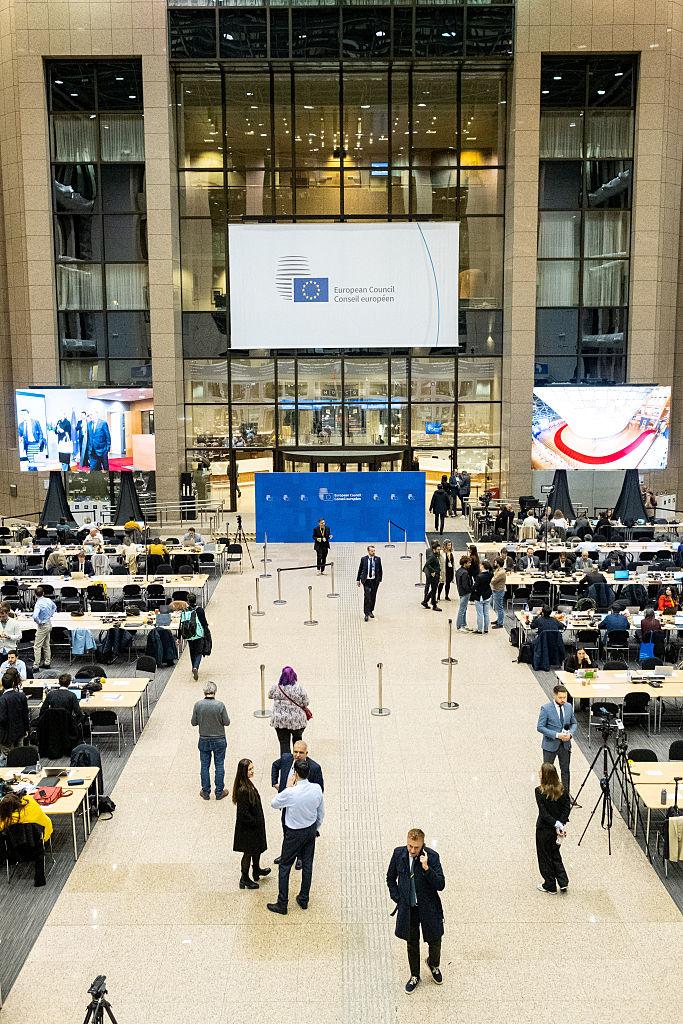
The Brussels discussions have attracted significant media coverage across Europe and North America. Headlines emphasize both the potential for progress and the risks of stalemate.
Public perception can shape diplomatic leverage. Positive signals from negotiations may bolster confidence, while signs of discord could invite external challenges.
Officials have therefore been deliberate in their messaging, seeking to convey steadiness without overstating breakthroughs.
Challenges Facing Negotiators
Despite the structured agenda, obstacles remain substantial. Diverging national interests, economic disparities, and evolving security threats complicate efforts to reach consensus.
US diplomacy must navigate these complexities while maintaining credibility. Any perception of inconsistency could weaken negotiating positions.
Diplomats also face time constraints, as global events continue to unfold at a rapid pace.
The Evolution of Transatlantic Diplomacy
The present moment cannot be fully understood without recognizing the historical foundation of transatlantic relations. Since the mid twentieth century, US diplomacy has played a defining role in shaping European security architecture.
From post war reconstruction efforts to the establishment of collective defense alliances, cooperation between the United States and Europe has evolved in response to shifting geopolitical realities.
While past crises have tested the alliance, shared strategic interests have often prevailed. The current meetings in Brussels represent another chapter in this long standing partnership.
Technology, Cybersecurity, and Emerging Threats
Beyond traditional security concerns, emerging technologies are influencing diplomatic conversations. Cybersecurity cooperation, artificial intelligence governance, and digital infrastructure resilience were discussed during side meetings.
US diplomacy is increasingly intertwined with technological strategy, reflecting the growing importance of cyber defense in national security planning.
European officials have emphasized the need for common regulatory frameworks to prevent fragmentation and vulnerability.
Energy Security and Climate Policy
Energy security remains a sensitive issue, particularly amid fluctuating global prices and supply disruptions. Leaders are exploring joint initiatives to diversify energy sources and strengthen infrastructure resilience.
US diplomacy has supported collaborative efforts to balance environmental goals with economic stability. Climate policy discussions intersect with trade and industrial planning, making them central to comprehensive negotiations.
Observers note that sustainable energy partnerships may serve as both economic and strategic tools.
Humanitarian Concerns and Regional Stability
In addition to strategic and economic matters, humanitarian issues have surfaced during the Brussels meetings. Conflict zones continue to produce displacement and infrastructure damage.
US diplomacy has emphasized the importance of coordinated humanitarian assistance and long term stabilization efforts.
International agencies are working alongside governments to address immediate needs while supporting reconstruction initiatives.
Signals from Market and Policy Analysts
Financial analysts have interpreted the Brussels talks as a stabilizing factor amid uncertainty. Currency markets have shown limited volatility, suggesting cautious confidence in diplomatic engagement.
Policy experts argue that sustained dialogue reduces the likelihood of sudden escalation. Clear frameworks for cooperation can prevent misunderstandings and miscalculations.
The broader economic environment, however, remains sensitive to geopolitical shifts.
Looking Ahead to Future Engagement
As the current round of meetings concludes, officials are already planning follow up sessions. Working groups will continue refining policy details and exploring areas of compromise.
US diplomacy is expected to maintain a visible presence in Europe throughout 2026, reinforcing commitments and adapting strategies as conditions evolve.
Observers believe that incremental progress may ultimately prove more durable than dramatic announcements.
Global Implications of the Brussels Talks
The significance of these discussions extends beyond Europe. Decisions made in Brussels could influence alliances in Asia, the Middle East, and other regions.
US diplomacy carries weight in shaping international norms and expectations. Consistent engagement strengthens credibility, while hesitation may create strategic openings for rivals.
International observers are therefore monitoring developments closely.
A Defining Year for International Cooperation
The year 2026 may ultimately be remembered as a turning point in global diplomacy. With security, economic, and technological challenges converging, the role of US diplomacy has become more visible than ever.
The Brussels meetings reflect a recognition that cooperation remains essential, even amid disagreement. As one senior US official remarked,
“Diplomacy is not about immediate perfection but about sustained commitment to stability.”
That perspective captures the broader tone of the week’s discussions.
Stability Through Sustained Engagement
As global uncertainty persists, the meetings in Brussels highlight both the challenges and opportunities facing international leaders. US diplomacy stands at the center of efforts to reinforce alliances and manage crises across multiple fronts.
While definitive outcomes may take time, the willingness of leaders to engage constructively offers a measure of reassurance. In a rapidly changing world, sustained diplomatic effort remains a cornerstone of stability.