Washington DC and Tehran — March 9, 2026 — Parliament News — A major escalation in Middle East tensions occurred after US military strikes Iran, targeting facilities believed to support missile development and naval operations. American defense officials said the operation was designed to weaken Iran’s military infrastructure and prevent potential threats to regional security and international shipping routes.
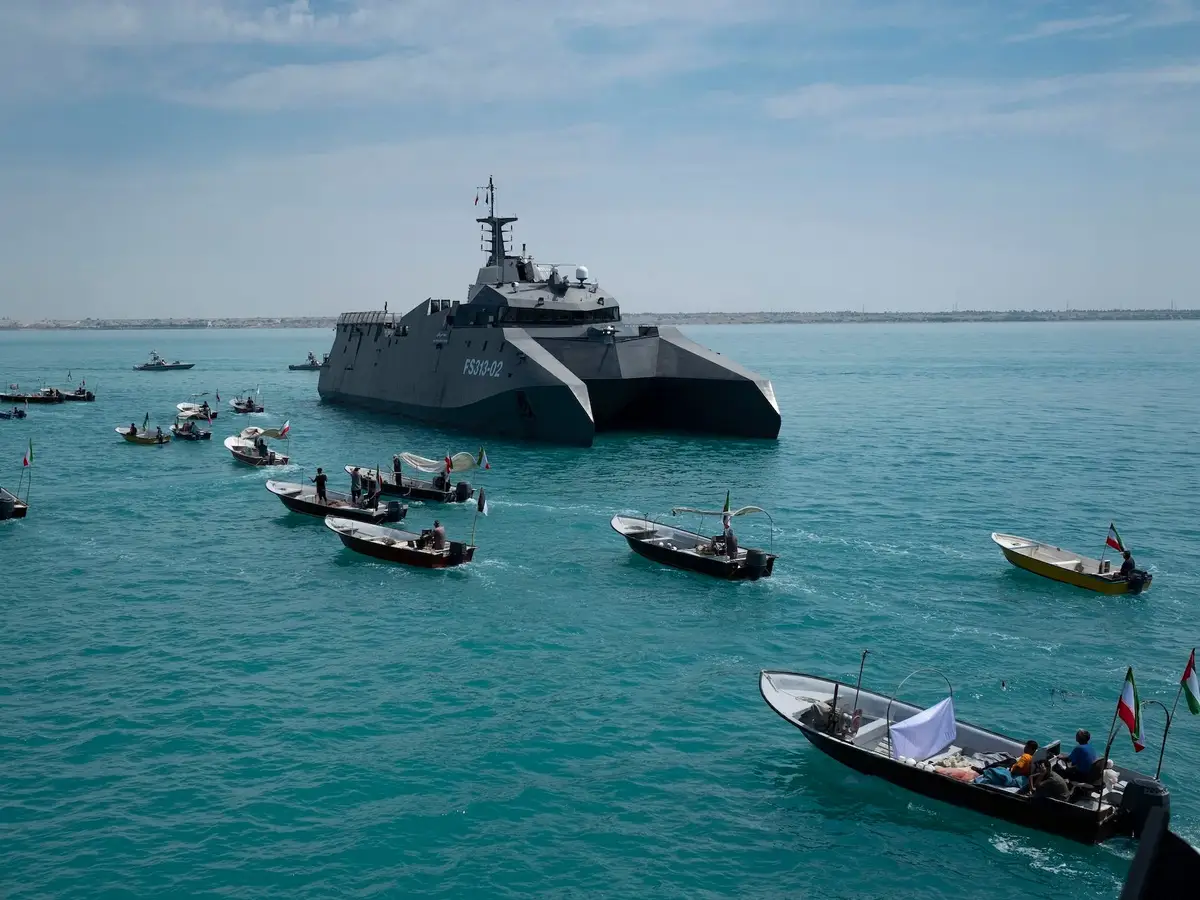
The strike reportedly focused on missile launch sites, radar installations, and command centers linked to Iran’s naval forces operating in the Persian Gulf. Officials say the action was taken after intelligence suggested increased military activity around strategic waterways.
Global leaders immediately began monitoring the situation after US military strikes Iran, raising concerns about possible retaliation and the broader impact on regional stability.
Why the Operation Was Ordered
Military officials say the decision to launch the operation came after months of rising tension and intelligence reports pointing to expanded missile deployments.
When US military strikes Iran, defense planners typically focus on infrastructure that allows missile systems to be deployed or coordinated. These include storage depots, command centers, and radar tracking facilities.
American officials argue that Iran’s growing missile capabilities pose a threat to allied military bases and commercial shipping routes. By targeting these systems, the United States aims to reduce the likelihood of future attacks.
The strikes also serve as a signal to other regional actors that Washington is willing to take decisive action when it believes threats are increasing.
Regional Security Concerns
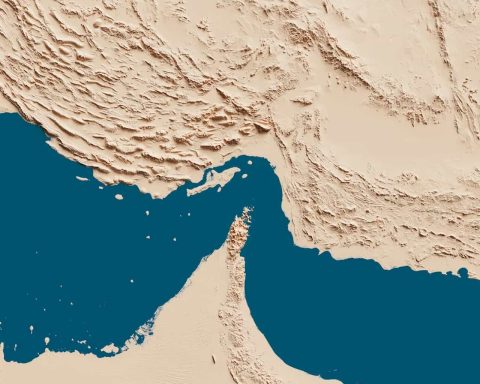
The Persian Gulf is one of the most strategically important waterways in the world. Nearly a fifth of global oil shipments pass through the Strait of Hormuz, making stability in the region critical for international markets.
Following reports that US military strikes Iran, energy analysts began watching oil prices closely, as even limited disruptions in the region can trigger global economic reactions.
Shipping companies and military forces operating in the region have also increased their security posture as governments assess the potential for escalation.
Security experts say the situation could remain tense for several weeks as both sides evaluate their next moves.
Historical Comparison With Earlier Conflicts
Moments when US military strikes Iran inevitably draw comparisons with past confrontations between the two nations. Relations between Washington and Tehran have been strained since the 1979 Iranian Revolution, when diplomatic ties were severed and decades of geopolitical rivalry began.
Over the years, tensions have escalated during nuclear negotiations, sanctions disputes, and regional proxy conflicts. However, direct military actions between the two countries have been relatively rare.
This latest development reminds analysts of previous confrontations in the Persian Gulf, where military operations were used as strategic signals rather than attempts to start full scale war.
History suggests that such events often lead to periods of diplomatic maneuvering as global powers work to prevent wider conflict.
Quote From Defense Officials
One senior defense official explained the purpose of the operation after US military strikes Iran during a briefing in Washington.
“The goal of these operations is to reduce the ability of hostile forces to threaten regional security and international shipping routes,”
The Official Said.
The statement reflects a long standing U.S. policy of maintaining military presence in the region to protect trade routes and allied nations.
Officials also emphasized that the operation focused on military targets and avoided civilian infrastructure.
What Happens Next
Analysts say the consequences after US military strikes Iran will depend largely on how Iran responds and whether diplomatic channels remain open.
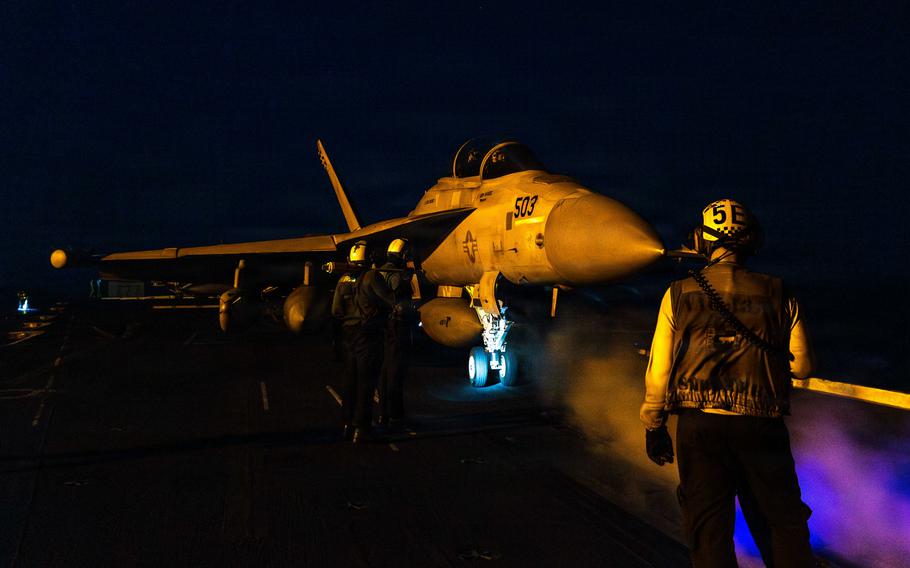
In the short term, military forces across the region are likely to remain on heightened alert. Governments are also closely monitoring developments in energy markets and international shipping routes.
Diplomatic efforts could intensify in the coming weeks as world leaders attempt to prevent further escalation.
While tensions remain high, some experts believe both sides may prefer limited confrontation rather than a prolonged conflict.
Key Developments Summary
The situation following US military strikes Iran highlights how quickly regional security dynamics can shift in the Middle East. The operation targeted missile and naval facilities believed to threaten strategic shipping routes and military bases.
Global reactions remain cautious as governments assess the potential for escalation or diplomatic resolution. Historical tensions between Washington and Tehran continue to influence how the conflict evolves.
For now, the world is watching closely as military leaders, diplomats, and policymakers evaluate the next steps in a confrontation that could shape regional stability in the months ahead.