
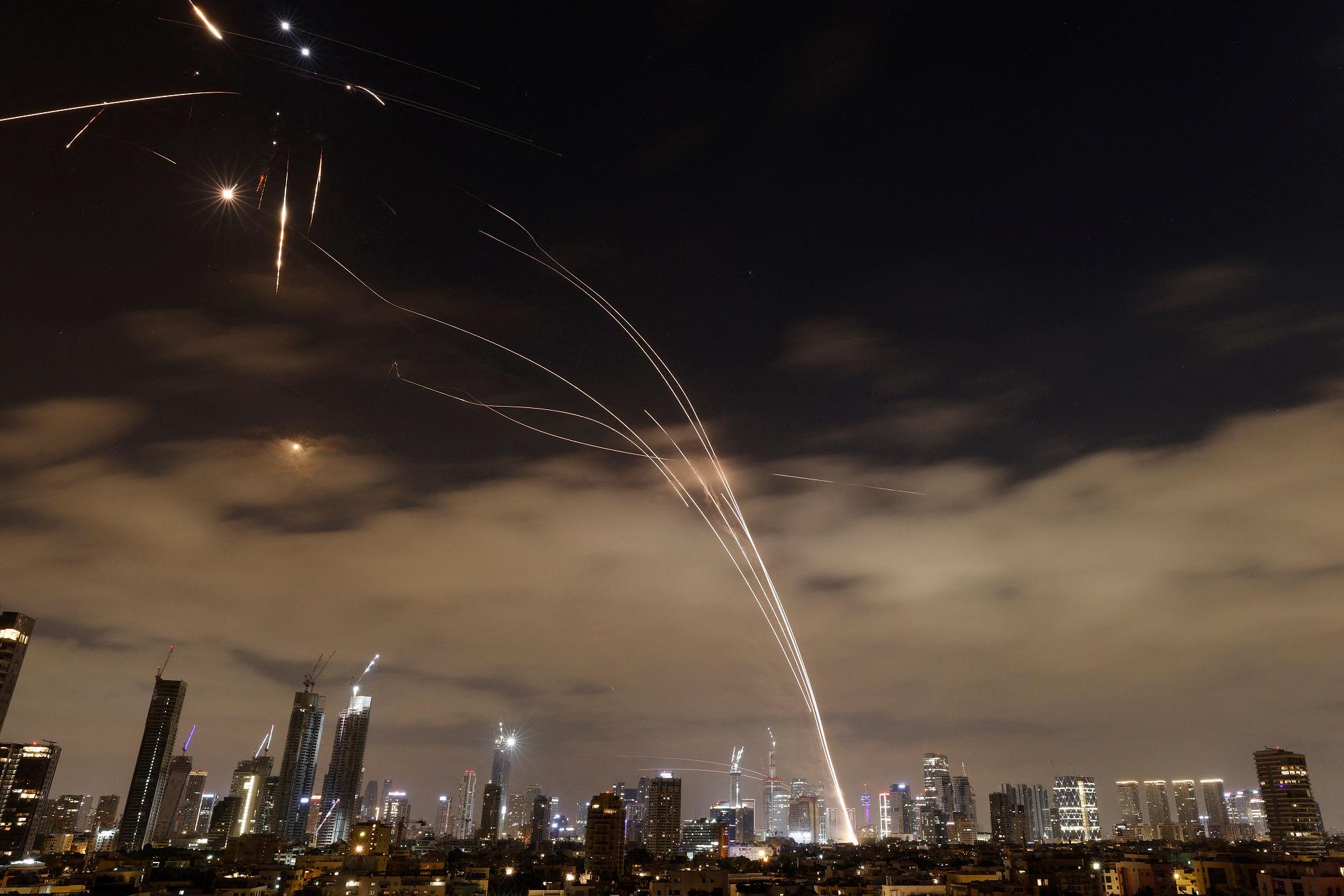
HAIFA, Israel — March 10, 2026 — Parliament News — The Haifa energy infrastructure attack has triggered international concern after Iranian military officials claimed responsibility for strikes targeting energy related facilities near Israel’s northern port city. Israeli defense systems were activated as incoming projectiles were detected, and emergency services were deployed across the Haifa industrial zone to inspect possible damage.
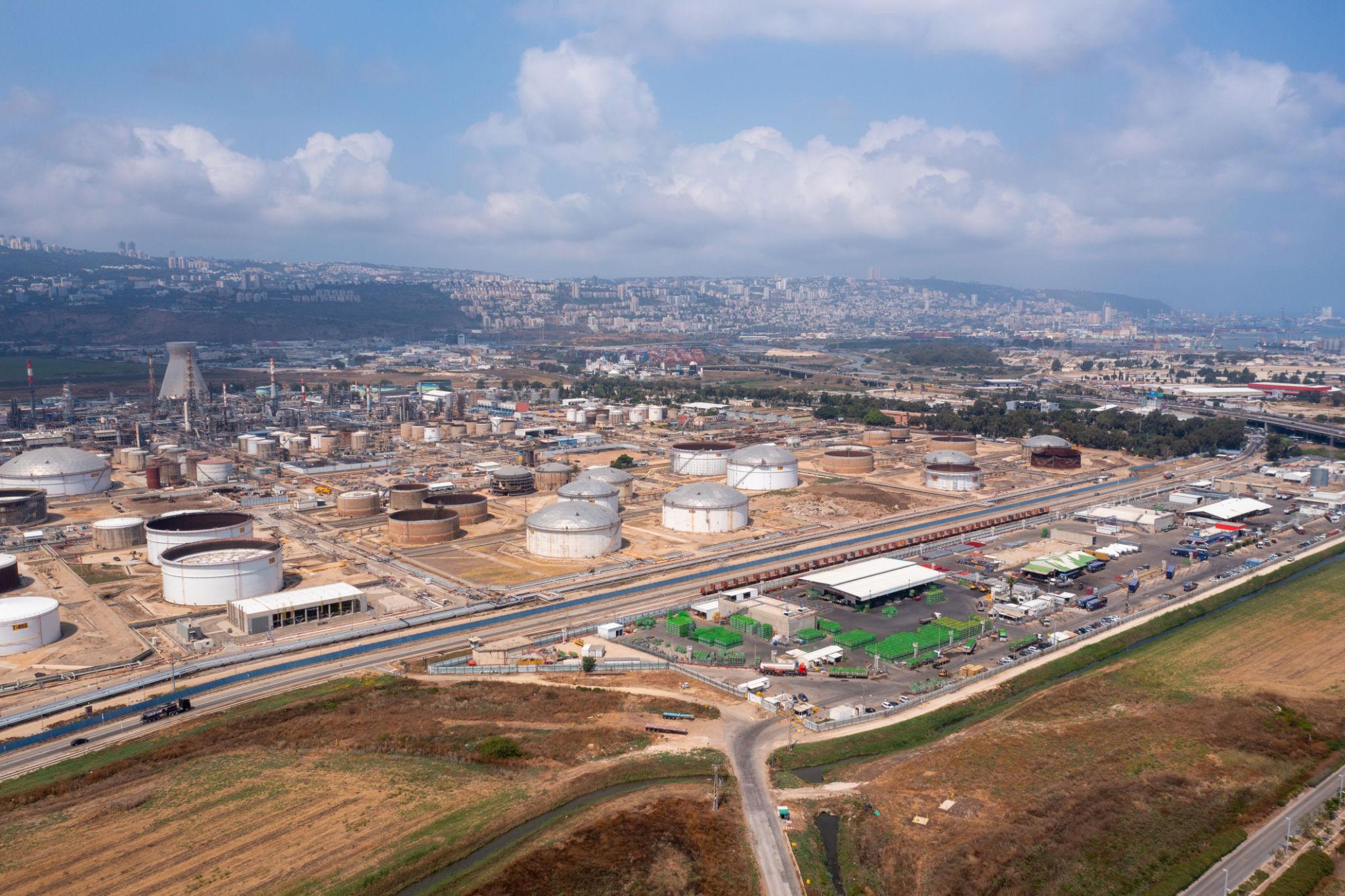
Haifa is one of Israel’s most critical economic and energy hubs. The port city hosts refineries, fuel storage facilities, and shipping terminals that help power the country’s transportation and industrial sectors. Because of this importance, the Haifa energy infrastructure attack immediately drew attention from governments, financial markets, and security analysts around the world.
Israeli authorities confirmed that interception systems were deployed and that safety teams were sent to evaluate the surrounding energy facilities. Initial assessments suggested that most incoming threats were intercepted, though investigations into potential damage are continuing.
Strategic Importance of Haifa’s Energy Facilities
Haifa plays a major role in Israel’s national infrastructure network. The city’s refineries process significant volumes of fuel used across the country, while its port handles a substantial portion of Israel’s maritime trade.
For this reason, the Haifa energy infrastructure attack represents more than a symbolic military move. Energy infrastructure is considered a strategic asset because disruptions can affect transportation, electricity generation, and industrial production.
Security experts say infrastructure strikes can create economic pressure even when the physical damage is limited. Markets often react quickly to such incidents because they signal rising geopolitical risks.
The Haifa region also contains petrochemical plants and storage facilities connected to national distribution pipelines. Any sustained disruption could affect supply chains and energy distribution across Israel.
Israel’s Response to the Strike
Israeli defense forces responded rapidly following the Haifa energy infrastructure attack. Air defense units were activated to intercept incoming missiles and drones, while emergency teams moved to secure industrial zones near the port.
Authorities focused on ensuring that fuel storage tanks and refinery facilities were not damaged in a way that could trigger fires or environmental hazards. Engineers and security personnel inspected the area to confirm operational stability.
Government officials stated that Israel would protect its critical infrastructure and respond to threats against its energy facilities. Defense analysts believe the attack will likely lead to heightened security around strategic infrastructure across the country.
Historical Comparison
The Haifa energy infrastructure attack echoes earlier conflicts in which energy facilities became major strategic targets. During the Iran Iraq War in the 1980s, both countries targeted oil terminals and shipping routes in what became known as the Tanker War. Those attacks disrupted global oil supplies and demonstrated how energy infrastructure could become a powerful geopolitical pressure point.
Modern conflicts increasingly follow similar patterns. Instead of focusing solely on military bases, nations now target economic lifelines such as ports, refineries, and pipelines. The Haifa incident reflects how technological advances in missiles and drones allow infrastructure to be targeted from long distances with greater precision.
Global Reactions
The Haifa energy infrastructure attack quickly prompted reactions from governments and international organizations. Many leaders urged restraint and called for diplomatic efforts to prevent further escalation.
Energy analysts also warned that attacks involving major infrastructure can influence global markets. Investors tend to react cautiously when instability threatens energy facilities in the Middle East, a region that remains central to global fuel supply.
A regional security analyst summarized the situation by saying:
“Attacks on energy infrastructure carry consequences far beyond the immediate battlefield because they affect economic stability and international energy supply.”
Such concerns highlight the broader geopolitical implications surrounding the Haifa energy infrastructure attack.
What Comes Next
Military analysts believe the Haifa energy infrastructure attack could mark a new stage in tensions between Iran and Israel. Both nations possess advanced missile and drone capabilities, and each has shown willingness to strike strategic targets.
Diplomatic channels are currently active as several governments attempt to reduce tensions and prevent further escalation. At the same time, security measures around key infrastructure in Israel are expected to remain elevated.
Energy facilities, ports, and transportation networks across the region may face increased protection as governments attempt to safeguard critical assets.
Key Takeaway From the Incident
The Haifa energy infrastructure attack demonstrates how modern geopolitical conflicts increasingly involve economic and infrastructure targets rather than traditional battlefields. Haifa’s strategic role in Israel’s energy and trade network makes it a particularly sensitive location.
While early reports suggest limited damage, the event has already heightened global concerns about regional stability and the potential impact on energy markets. Governments, investors, and security experts will continue closely monitoring developments related to the Haifa energy infrastructure attack, recognizing that the consequences could extend far beyond the immediate area of the strike.