Israel military strategy Iran has become a central issue in global security discussions as tensions escalate in the Middle East during 2026.
Military analysts say Israel appears to be preparing long term strategic operations designed to counter Iranian capabilities.
The evolving situation is drawing attention from global governments, energy markets, and defense experts monitoring regional stability.
WASHINGTON, United States — March 16, 2026 — Parliament Politics Magazine style coverage highlights how Israel military strategy Iran has become a major focus of international security discussions as geopolitical tensions between the two countries continue to develop.
Government officials and military analysts across the world are closely observing the evolving strategic environment in the Middle East. The rivalry between Israel and Iran has long shaped regional politics, but recent developments have intensified attention on the military calculations behind each nation’s actions.
Experts believe the current situation demonstrates how quickly political tensions can translate into security planning. Because both countries play influential roles in regional dynamics, decisions linked to Israel military strategy Iran are being closely monitored by governments, defense organizations, and financial markets.
The issue has gained particular significance in 2026 as global leaders attempt to balance diplomacy with security concerns while avoiding wider regional escalation.
Strategic Objectives Behind Israel’s Planning
Defense analysts say Israel’s leadership views Iran as one of the most significant long term security challenges in the region.
Iran’s influence across the Middle East through allied groups and its military development programs have frequently been cited by Israeli officials as major security concerns.
For this reason, Israel military strategy Iran appears focused on limiting the expansion of capabilities that Israel considers threatening to its national defense.
Security planners often describe modern military strategy as a layered approach combining intelligence gathering, deterrence, and rapid response capabilities.
According to one Middle East security analyst,
“Strategic deterrence works when both sides understand the risks of escalation and the consequences of crossing red lines.”
This perspective reflects the broader challenge facing policymakers as they attempt to maintain stability while protecting national interests.
Air Power and Advanced Military Technology
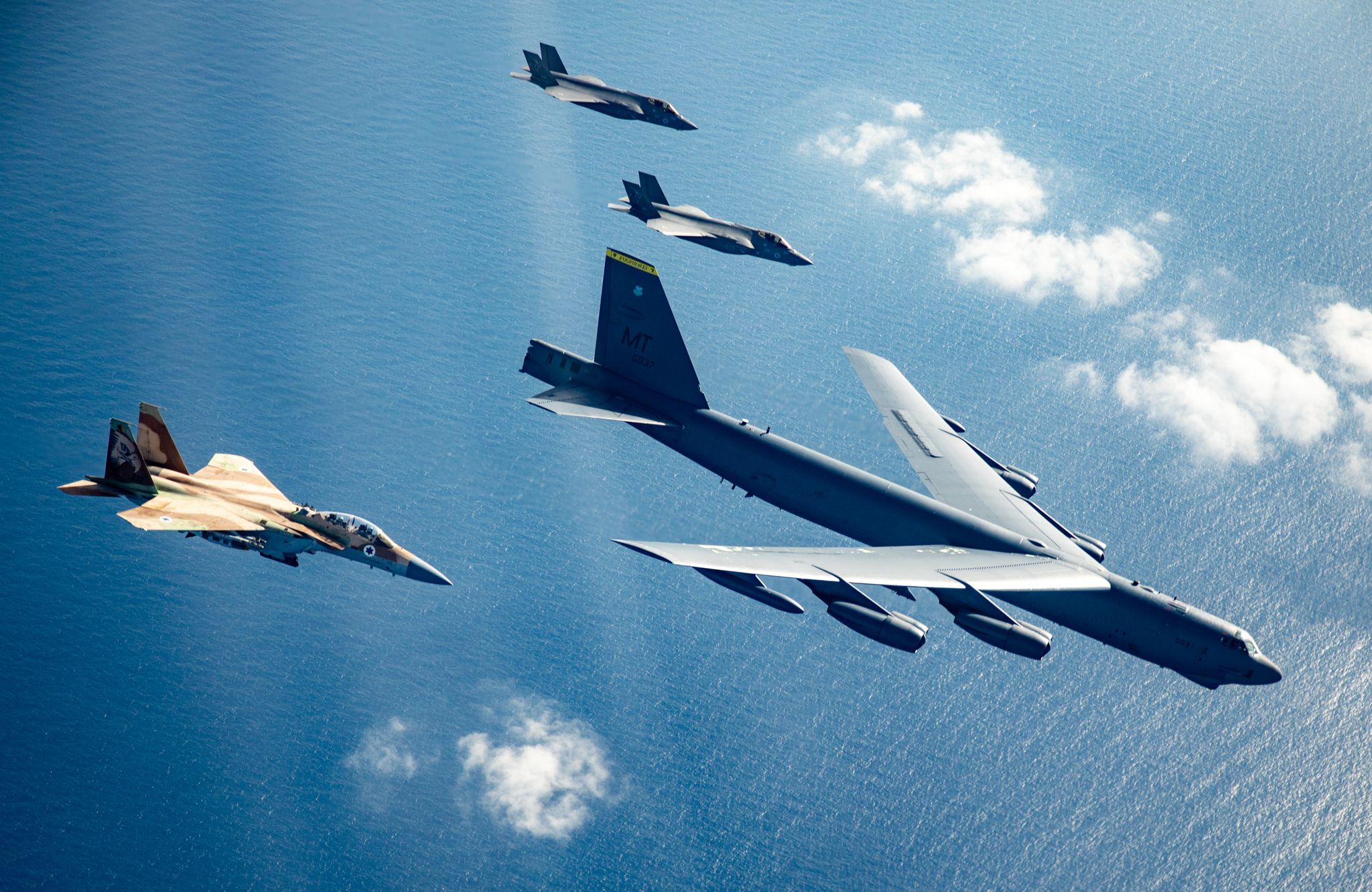
One of the defining features of Israel military strategy Iran is the emphasis on advanced air power and technological capabilities.
Israel’s air force is widely regarded as one of the most technologically advanced in the world. Its ability to conduct long range precision operations plays an important role in shaping strategic planning.
Military experts say modern air operations often rely on intelligence systems, satellite surveillance, and precision targeting technologies designed to limit collateral damage while achieving strategic goals.
These capabilities allow military planners to respond rapidly to perceived threats while maintaining operational flexibility.
The focus on air power also reflects the changing nature of warfare, where technological superiority can provide a decisive advantage in complex security environments.
Regional Security Reactions
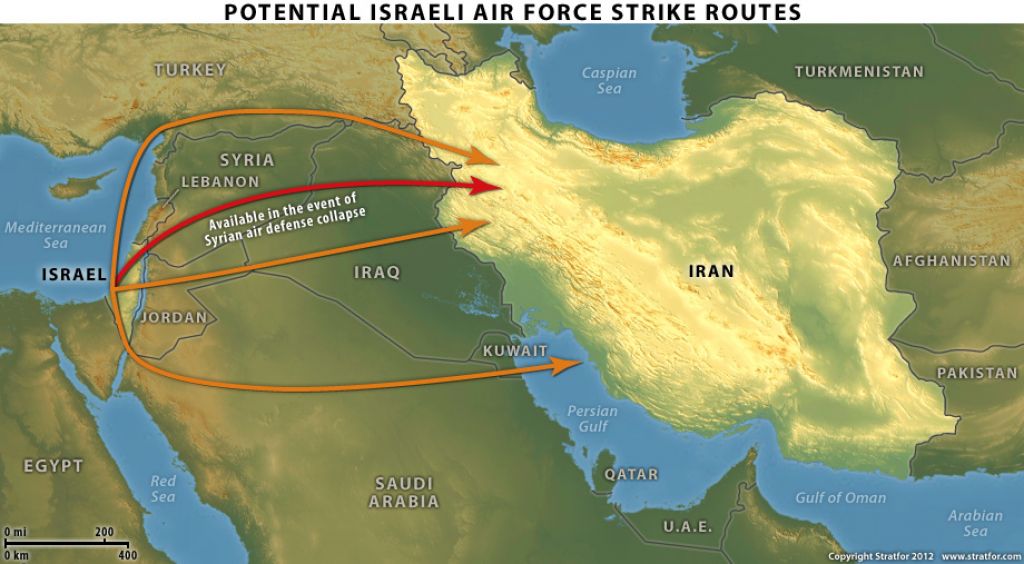
Developments related to Israel military strategy Iran are being closely watched across the Middle East.
Neighboring countries often find themselves balancing diplomatic relationships with both sides while maintaining their own national security priorities.
Regional governments have expressed concern that prolonged tensions could destabilize the broader Middle East security environment.
Diplomatic officials from several countries have called for restraint and renewed dialogue, emphasizing the importance of preventing military escalation.
International observers note that the interconnected nature of regional alliances means developments between Israel and Iran could quickly influence political decisions across the region.
Global Energy Markets Monitor the Situation
Energy markets frequently respond to geopolitical developments in the Middle East because the region plays a crucial role in global oil supply.
Analysts say Israel military strategy Iran has drawn attention from investors monitoring potential impacts on energy transportation routes.
Nearby maritime corridors are responsible for transporting significant volumes of crude oil and natural gas to global markets.
Even minor disruptions in these routes could influence fuel prices and supply chains around the world.
Because of this economic importance, financial markets remain sensitive to developments affecting regional stability.
History of Strategic Rivalry Between Israel and Iran
The current tensions surrounding Israel military strategy Iran are rooted in decades of political and ideological rivalry.
Relations between the two nations have evolved significantly since the late twentieth century as regional alliances shifted and geopolitical interests diverged.
Over the past two decades, the rivalry has often manifested through indirect confrontations including cyber operations, intelligence activities, and regional proxy conflicts.
These historical dynamics have shaped the strategic thinking of both governments and continue influencing military planning today.
Understanding this background helps explain why analysts closely examine every development involving Israel and Iran.
Military Analysts Assess Escalation Risks
Security experts emphasize that conflicts involving influential regional actors can escalate quickly if diplomatic communication breaks down.
When discussing Israel military strategy Iran, analysts often highlight the importance of balancing deterrence with diplomatic engagement.
Military planning typically seeks to maintain readiness while avoiding actions that could unintentionally trigger wider conflict.
A defense specialist noted that strategic planning must consider not only immediate objectives but also long term stability in the region.
Such caution reflects the complex environment in which modern military decisions are made.
Diplomatic Efforts Continue Behind the Scenes
Despite the heightened attention surrounding military planning, diplomacy remains a central component of regional stability.
International leaders and diplomatic organizations continue encouraging dialogue aimed at reducing tensions.
Many observers believe diplomatic engagement must accompany Israel military strategy Iran to ensure that military preparations do not overshadow opportunities for negotiation.
Negotiations involving regional partners, international organizations, and global powers often play a role in preventing misunderstandings that could lead to escalation.
These diplomatic efforts remain critical in maintaining stability during periods of geopolitical tension.
Advanced Defense Systems and Strategic Balance
Technological defense systems have become a major element of modern security planning.
Israel has invested heavily in missile defense networks, radar systems, and surveillance technologies designed to detect potential threats.
These systems often form a key component of Israel military strategy Iran, providing defensive capabilities that can intercept incoming missiles or monitor potential threats.
Such technologies strengthen national defense while also contributing to regional deterrence.
Experts say advanced defense infrastructure plays an increasingly important role in maintaining strategic balance in modern conflicts.
International Community Watches Closely
The global community is closely monitoring developments linked to Israel military strategy Iran because of the potential implications for regional and global security.
Major world powers maintain diplomatic relationships with countries throughout the Middle East and often seek to prevent conflicts from escalating.
International organizations have also called for restraint and continued dialogue between regional actors.
Because geopolitical developments in the Middle East can affect global markets and international relations, policymakers around the world remain attentive to the evolving situation.
Final Outlook Understanding the Strategic Moment
The evolving discussion around Israel military strategy Iran highlights the complex relationship between geopolitics, military planning, and regional stability.
Security analysts believe the coming months will be critical in determining whether diplomatic engagement can ease tensions or whether strategic competition will intensify.
The balance between deterrence, diplomacy, and technological defense capabilities will likely shape the trajectory of the situation.
For governments, investors, and global observers, developments in the Middle East remain one of the most important geopolitical issues influencing international security and economic stability today.