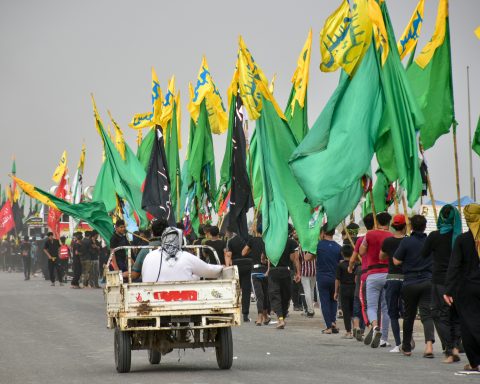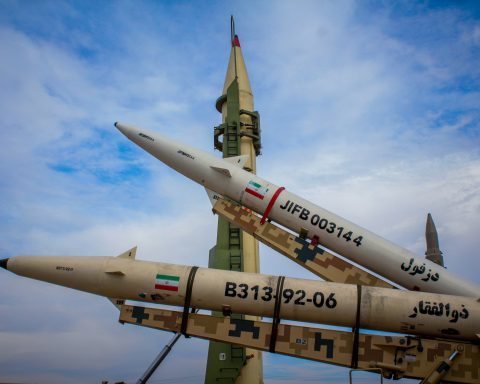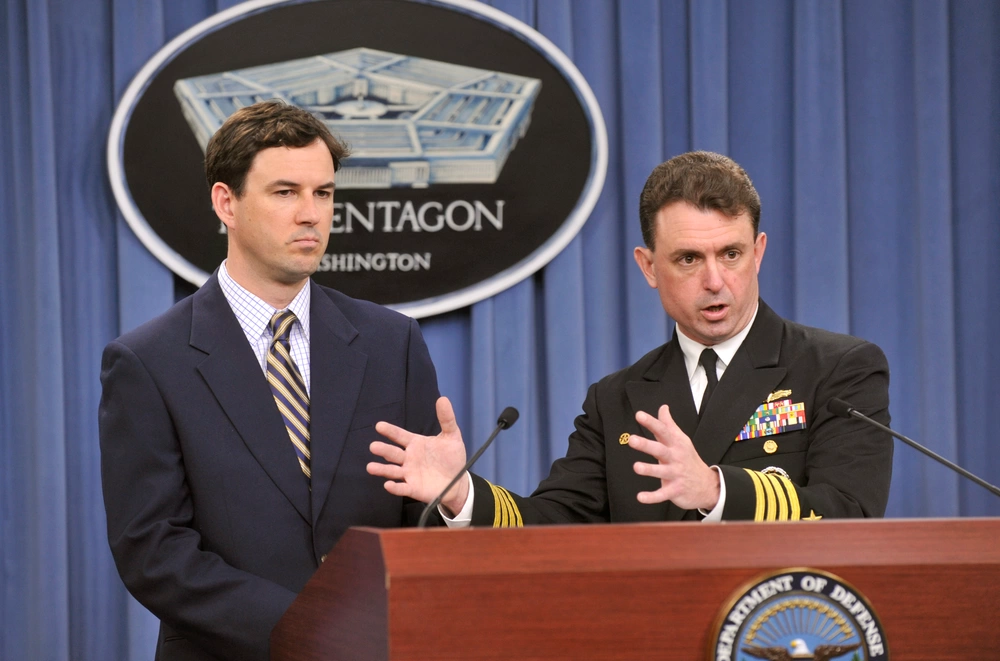
Washington, United States, March 24, 2026 (Parliament Politics Magazine), Middle East conflict expansion is accelerating after a top U.S. counterterrorism official resigned in protest of escalating military actions tied to the Iran war. The resignation has sent shockwaves through intelligence and defense communities, signaling deep internal concern over the direction of U.S. strategy.
The move comes as analysts increasingly warn that what began as a contained confrontation has evolved into a broader regional conflict. With tensions rising in Lebanon and Gaza, the risk of a multi-front war is becoming more real.
Internal Fractures Within U.S. National Security
The sudden resignation of a senior counterterrorism official is being viewed as a clear sign of internal disagreement. Sources suggest the official had growing concerns about the lack of a defined long-term strategy and the potential consequences of continued escalation.
This departure reflects deeper divisions within leadership, where competing views on military action and diplomacy continue to clash. Some officials support aggressive measures, while others warn that such actions could ignite wider instability.
At the center of these concerns is the growing Middle East conflict expansion, which threatens to reshape the region’s security landscape.
Analyst Warning: Region-Wide Conflict Underway
Security experts are increasingly warning that the situation has moved beyond isolated incidents. One analyst described the current state as a “region-wide conflict with controlled escalation.”
This means that while major powers may attempt to avoid full-scale war, ongoing actions continue to push the limits of restraint. Each military move, retaliatory threat, or strategic deployment adds pressure to an already volatile environment.
The transition to a broader confrontation highlights the seriousness of the Middle East conflict expansion.
IRGC Threats Intensify the Crisis
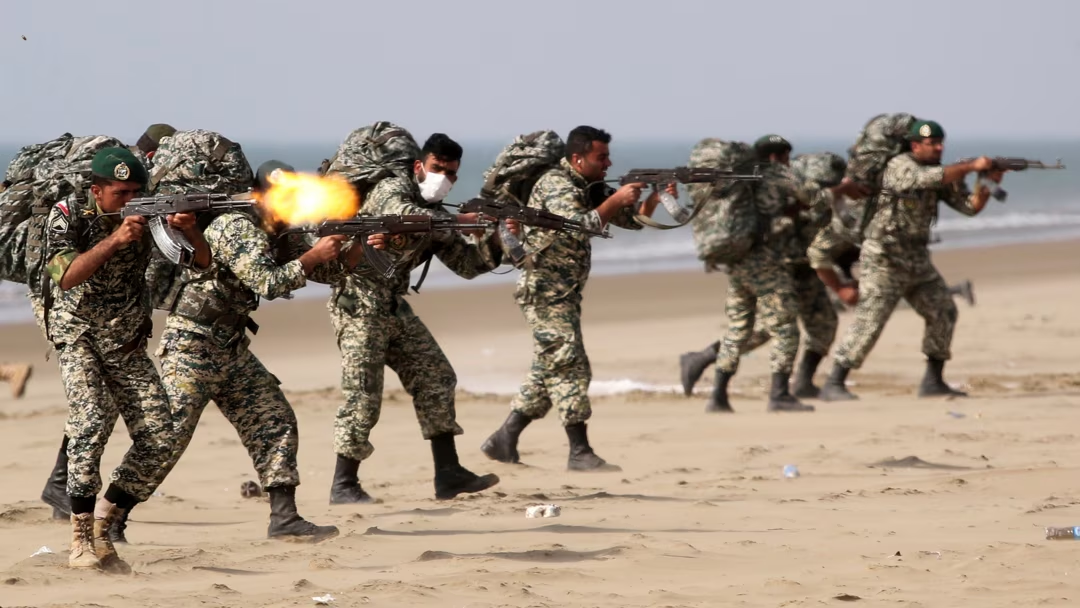
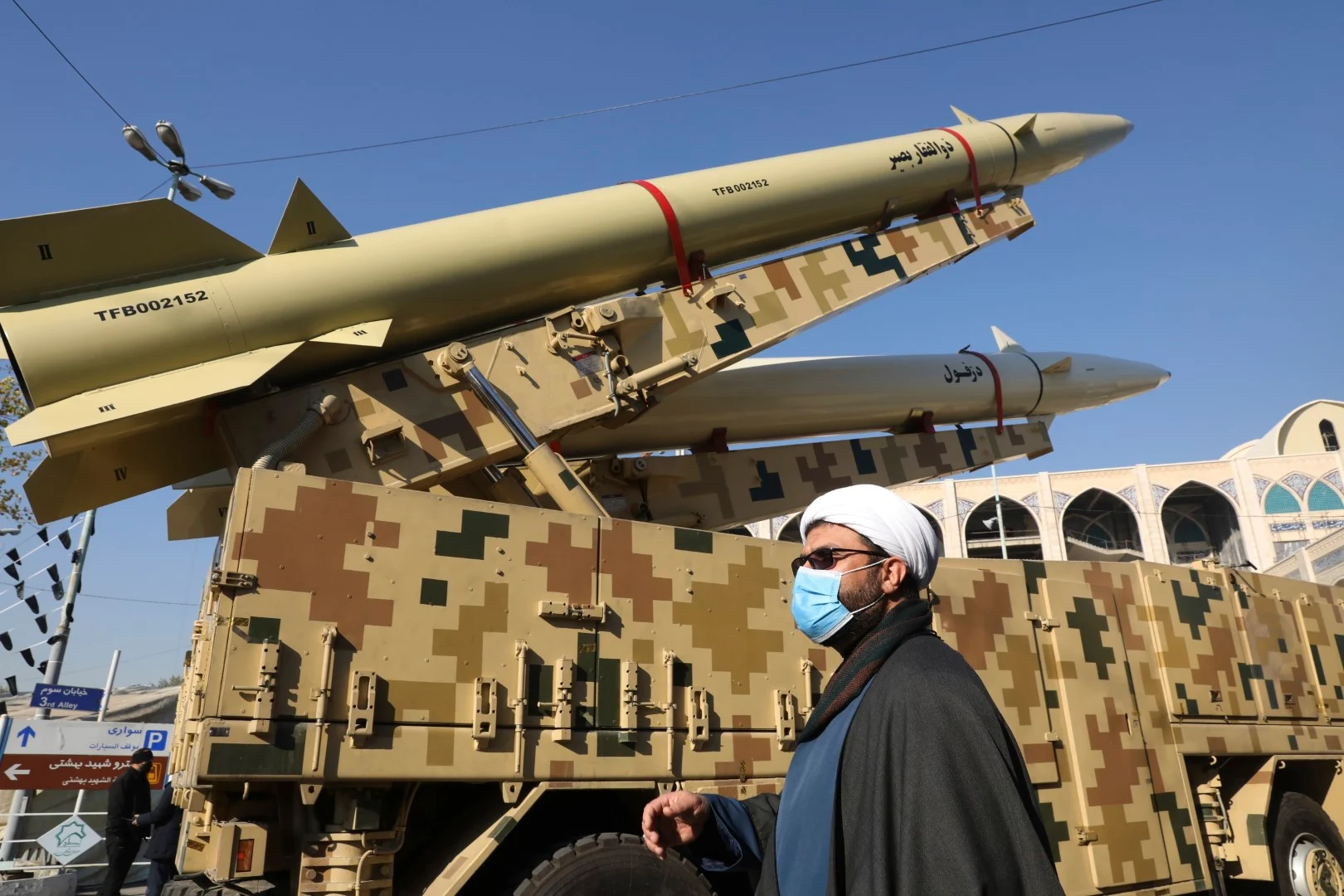
Iran’s Islamic Revolutionary Guard Corps (IRGC) has issued strong warnings, stating that any attacks targeting civilians in Lebanon or Gaza would be met with retaliation “without restraint.”
These statements have significantly raised the stakes. Military analysts caution that such threats could quickly turn into action, triggering a chain reaction across multiple regions.
The risk of rapid escalation further amplifies concerns surrounding the ongoing Middle East conflict expansion.
Lebanon and Gaza Emerge as Key Flashpoints
Lebanon and Gaza are now at the center of the unfolding crisis. Both regions have deep ties to Iranian influence and have historically been focal points of tension.
Recent developments suggest that these areas could become the primary battlegrounds in any expanded conflict. Even minor incidents could escalate rapidly, drawing in additional actors and intensifying the situation.
The humanitarian risks are also increasing, as civilians face the growing dangers associated with the Middle East conflict expansion.
Strategic Divide Among U.S. Leaders
The resignation has exposed a widening gap within U.S. leadership. While some policymakers advocate for increased pressure on Iran, others argue that such actions risk unintended consequences.
Critics emphasize the need for a balanced approach that includes both military readiness and diplomatic engagement. Without this balance, the situation could spiral out of control.
This internal divide reflects the broader challenges of managing the Middle East conflict expansion effectively.
Global Impacts Begin to Surface
The effects of the resignation are already being felt globally. Allies are reassessing their positions, while markets react to the growing uncertainty.
Energy prices have shown signs of volatility, driven by fears of disruptions in key supply routes. Economic analysts warn that prolonged instability could have far-reaching consequences.
The Middle East conflict expansion is not just a regional issue—it is a global concern with significant economic and security implications.
Intelligence Community Raises Alarm
Within intelligence circles, the resignation has prompted serious concern. Former officials note that such departures often indicate deeper systemic issues that may not be immediately visible.
There is growing unease about whether current strategies fully account for the risks of escalation. Maintaining objective analysis is critical during such volatile periods.
The situation underscores the importance of careful decision-making in addressing the Middle East conflict expansion.
A Quote That Captures the Moment
said a former intelligence official.
“When experienced leaders step away during a crisis, it suggests the risks may be far greater than publicly understood.”
Diplomatic Options Under Pressure
Efforts to de-escalate tensions have faced significant obstacles. While diplomatic channels remain open, progress has been limited as both sides continue to assert their positions.
The resignation has increased calls for renewed dialogue, but achieving meaningful outcomes will require significant compromise.
Without a clear diplomatic path, the risk of further escalation within the Middle East conflict expansion remains high.
What Happens Next?
The coming weeks will be critical in determining the direction of the conflict. Military developments, diplomatic initiatives, and regional actions will all play a role in shaping the outcome.
Although a replacement for the resigned official is expected, the underlying issues remain unresolved.
Experts warn that without a shift in strategy, the Middle East conflict expansion could continue to intensify.
The resignation of a top counterterrorism official has exposed deep divisions within U.S. leadership at a critical moment. As analysts warn that the Iran conflict has evolved into a region-wide confrontation, the risks of broader war are rising rapidly.
With Lebanon and Gaza emerging as key flashpoints and global markets reacting to uncertainty, the Middle East conflict expansion is becoming increasingly dangerous. The resignation serves as a powerful warning that urgent action may be needed to prevent further escalation.