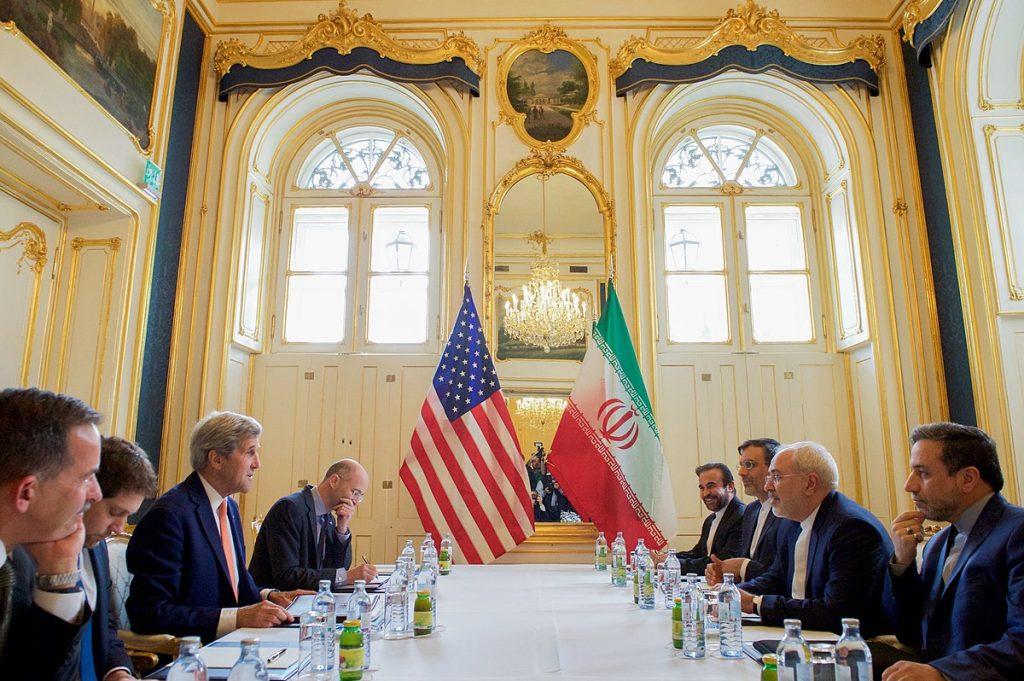
Islamabad, April 12, 2026 (Parliament Politics Magazine) Iran agreement future is increasingly uncertain in 2026, as a former Iranian foreign minister warned that no deal will succeed if negotiations are driven by “our terms or your terms.” The statement comes shortly after high-level talks between the United States and Iran ended without an agreement, despite more than 20 hours of discussions.
The collapse of negotiations has intensified concerns about whether diplomacy can move forward under current conditions. Officials from both sides have pointed to fundamental disagreements, including long-term commitments and strategic demands.
A senior diplomatic voice emphasized,
“No agreement can last if it is built on one-sided expectations. Compromise is not optional—it is essential.”
Warning Signals Deep Divide in Negotiation Strategy
The latest Iran agreement future warning highlights a widening gap between negotiating positions. Iranian officials have repeatedly argued that external demands are unrealistic, while U.S. representatives maintain that key security guarantees remain unmet.
This clash of expectations has created a diplomatic stalemate, with both sides unwilling to concede on critical issues. Analysts believe that such rigidity significantly reduces the likelihood of a breakthrough in the near term.
The former minister’s remarks are seen as both a caution and a strategic message, urging a shift toward more balanced dialogue.
Failed Talks Underscore Diplomatic Challenges
The uncertainty surrounding the Iran agreement future is reinforced by the recent failure of talks held in Islamabad. Negotiations, described as extensive and substantive, ultimately ended without progress, leaving a fragile ceasefire at risk.
Officials cited disagreements over long-term commitments, particularly regarding Iran’s nuclear program, as a key obstacle.
This outcome has raised questions about whether future negotiations can overcome similar challenges or if the diplomatic process will remain stalled.
Historical Lessons Shape Current Outlook
The debate over the Iran agreement future is deeply rooted in the history of past agreements and their eventual breakdowns. Previous deals have often faltered due to disputes over compliance, enforcement, and shifting political priorities.
Experts argue that these experiences have made both sides more cautious and less willing to compromise. As a result, negotiations have become more complex, with each side seeking stronger guarantees before committing.
This historical context adds weight to the current warning, suggesting that without change, similar outcomes may repeat.
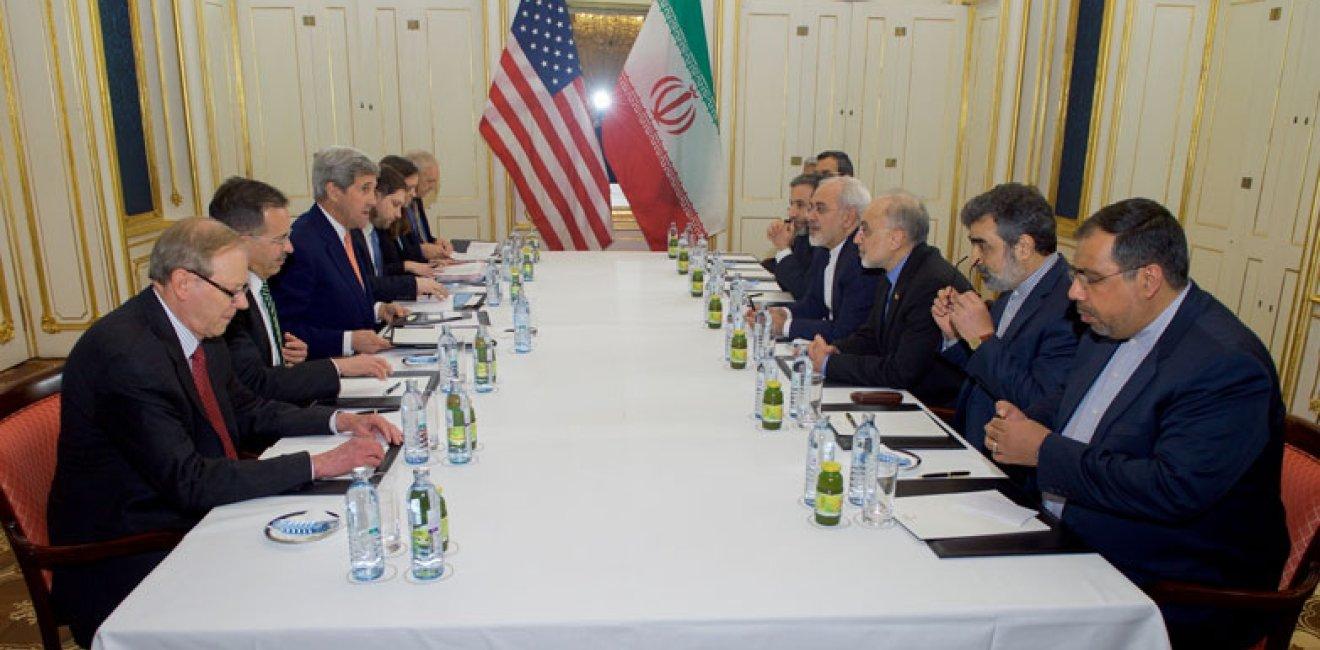
Regional Tensions Add Pressure to Negotiations
The fragile state of the Iran agreement future is further complicated by rising tensions across the Middle East. Ongoing conflict and geopolitical rivalries have created an environment where trust is limited and stakes are high.
In such conditions, even minor disagreements can escalate into major obstacles. Analysts note that external pressures often influence negotiation strategies, making compromise more difficult.
A regional expert stated,
“Diplomacy does not operate in isolation. It is shaped by the broader security environment, which is currently highly volatile.”
Global Implications of Uncertain Agreement
The uncertainty surrounding the Iran agreement future has implications far beyond the region. A failure to reach a deal could impact global energy markets, international security, and diplomatic relations.
Markets have already shown sensitivity to developments, with fluctuations reflecting concerns over supply disruptions and geopolitical instability. Policymakers are closely monitoring the situation, recognizing its potential to influence broader economic conditions.
This interconnected impact underscores the importance of achieving a sustainable agreement.
The Role of Flexibility in Future Talks
A key theme emerging from the Iran agreement future debate is the importance of flexibility. Negotiators face the challenge of balancing national interests with the need for compromise.
Experts emphasize that rigid positions often lead to deadlock, while adaptive strategies can open pathways to agreement. The former minister’s warning reinforces this idea, calling for a more pragmatic approach.
Without such flexibility, the chances of progress remain limited.
International Reactions Reflect Divided Views
The evolving Iran agreement future has drawn mixed reactions from the international community. Some view the warning as a realistic assessment of diplomatic challenges, while others see it as a sign of deepening divisions.
Countries with a stake in regional stability are urging continued dialogue, emphasizing the need to avoid escalation. However, achieving consensus on how to proceed remains a complex task.
The situation highlights the difficulty of aligning diverse interests in global diplomacy.
Future Outlook Remains Uncertain
Looking ahead, the Iran agreement future will depend on whether both sides are willing to adjust their expectations. While opportunities for progress still exist, they require a shift in approach and renewed commitment to dialogue.
Experts suggest that incremental steps may be more realistic than immediate breakthroughs. Building trust over time could create conditions for more comprehensive agreements.
However, without significant changes, the risk of continued stalemate remains high.
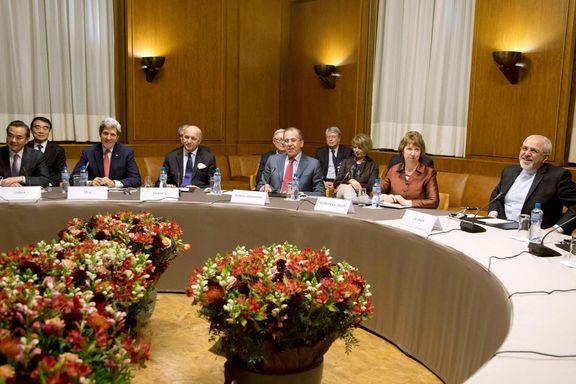
A Defining Moment for Iran Agreement Future
The current state of the Iran agreement future reflects a critical moment in international diplomacy. The warning from a former foreign minister highlights the challenges of negotiating under rigid conditions, while recent failed talks demonstrate the depth of existing divisions.
As tensions persist and stakes remain high, the path forward will depend on the willingness of all parties to embrace compromise and collaboration.
In summary, the Iran agreement future hangs in the balance, with success dependent on flexibility, mutual understanding, and sustained diplomatic effort in an increasingly uncertain global landscape.