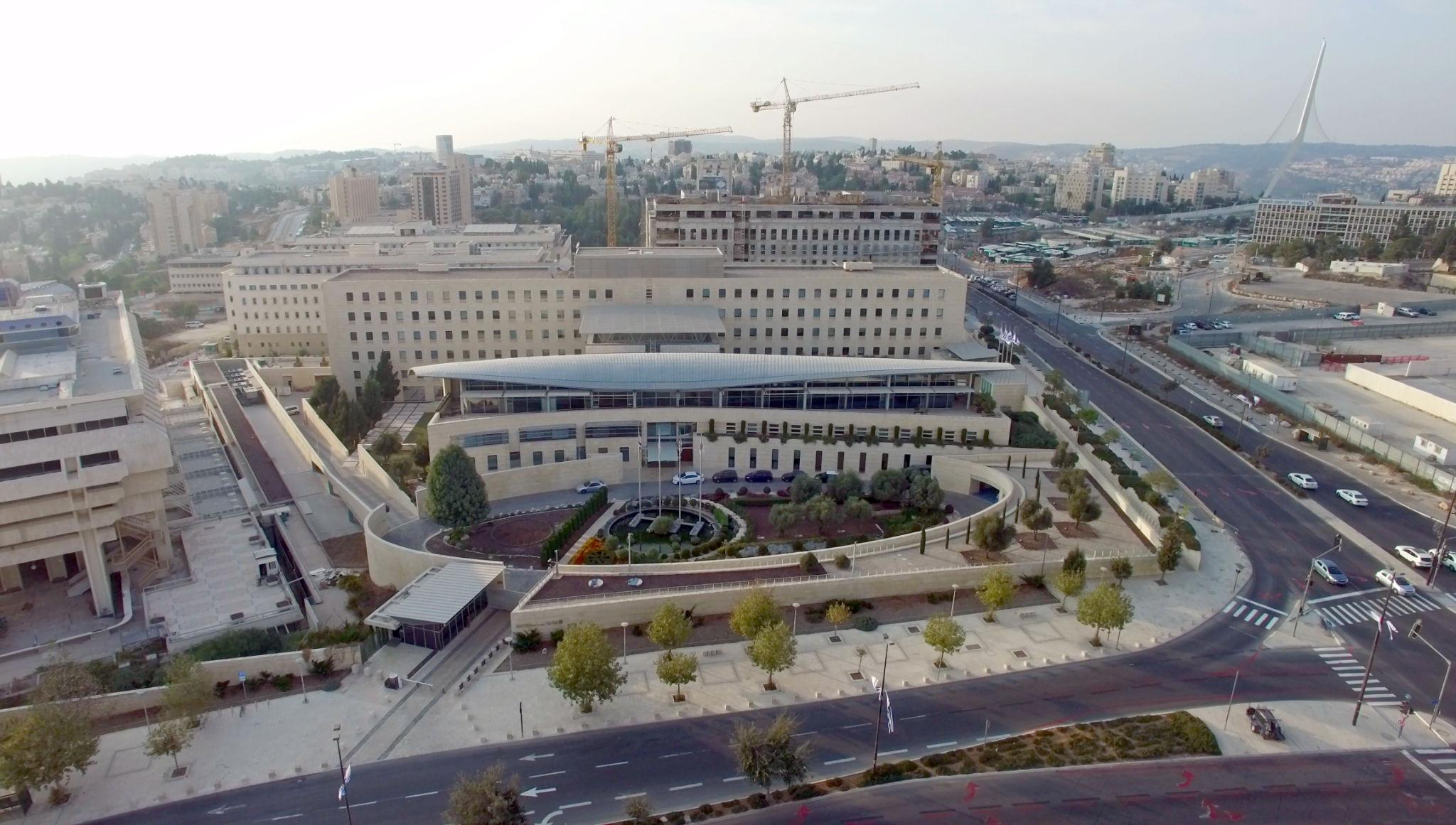
Jerusalem, April 13, 2026 (Parliament Politics Magazine) Middle East diplomatic crisis intensified after Israel summoned the Italian ambassador in response to remarks by Italy’s foreign minister condemning attacks on civilians as “unacceptable.” The move underscores growing friction among allies as regional tensions continue to escalate.
The diplomatic response comes amid heightened scrutiny of military actions tied to the broader conflict involving Iran and its regional influence. The incident reflects how quickly political statements can trigger formal consequences during times of war.
Diplomatic tensions rise between allies
The Middle East diplomatic crisis gained momentum after Antonio Tajani publicly criticized civilian casualties resulting from ongoing military operations. His comments were widely interpreted as a direct rebuke of Israeli actions, placing Italy in a delicate diplomatic position.
Israel responded by summoning Italy’s ambassador, signaling strong dissatisfaction and emphasizing the seriousness of the situation. Such diplomatic measures are typically reserved for moments of significant disagreement, highlighting the gravity of the dispute.
A senior Israeli official remarked:
“We expect our partners to recognize the security challenges we face. Public criticism without context risks distorting the reality on the ground.”
International pressure grows over civilian impact
As the Middle East diplomatic crisis unfolds, concerns over civilian safety have become central to global discourse. European nations, including Italy, have increasingly voiced alarm over the humanitarian consequences of ongoing military operations.
Italy’s position reflects a broader shift in European foreign policy, where governments are under pressure to respond to public concern about civilian harm. Calls for restraint and accountability have grown louder as the conflict continues.
At the same time, Israeli leadership maintains that its actions are necessary for national defense, arguing that failure to act decisively could embolden hostile forces.
Strategic alliances face new challenges
The current Middle East diplomatic crisis is placing strain on long-standing alliances. Italy, a key member of the European Union and NATO, must balance its commitments to international partnerships with domestic and regional expectations.
Israel, meanwhile, relies heavily on strong diplomatic ties to maintain its strategic position in a volatile region. Disagreements such as this one highlight the difficulty of maintaining unity among allies during complex conflicts.
Analysts suggest that while the immediate fallout may be manageable, the underlying differences in approach could have longer-term implications.

Media narratives and public perception
Public reaction has played a significant role in shaping the Middle East diplomatic crisis. Media coverage of civilian casualties and political statements has amplified tensions, influencing both domestic and international opinion.
In Israel, officials have criticized what they view as one-sided narratives that fail to account for security threats. In Europe, however, public sentiment has increasingly emphasized the importance of humanitarian considerations.
This divergence in perspective is contributing to a broader debate about the responsibilities of nations during conflict.
Regional instability adds to uncertainty
The Middle East diplomatic crisis is unfolding against a backdrop of escalating regional instability. Ongoing tensions involving Iran and its allies have created a highly volatile environment, increasing the risk of broader conflict.
Diplomatic disagreements between allies could complicate efforts to manage the situation and prevent further escalation. Coordination among Western nations is seen as essential to maintaining stability and addressing emerging threats.
Experts warn that miscommunication or continued friction could have unintended consequences for regional security.
Economic and geopolitical ripple effects
Beyond diplomacy, the Middle East diplomatic crisis may have far-reaching economic and political consequences. Global markets have shown sensitivity to developments in the region, particularly in energy sectors.
Rising uncertainty can impact trade, investment, and international cooperation. Governments are closely monitoring the situation to assess potential risks to their economies.
At the same time, political leaders are navigating the challenge of responding to public opinion while maintaining strategic alliances.
What comes next in the Middle East diplomatic crisis
Looking ahead, efforts to de-escalate the Middle East diplomatic crisis are expected to continue through diplomatic channels. Both Israel and Italy have strong incentives to preserve their relationship despite current tensions.
Behind-the-scenes discussions are likely to focus on clarifying positions and finding common ground. While public disagreements may persist, diplomatic engagement remains the primary tool for resolving disputes.
Observers believe that the situation will serve as a test of how effectively allies can manage differences during periods of conflict.
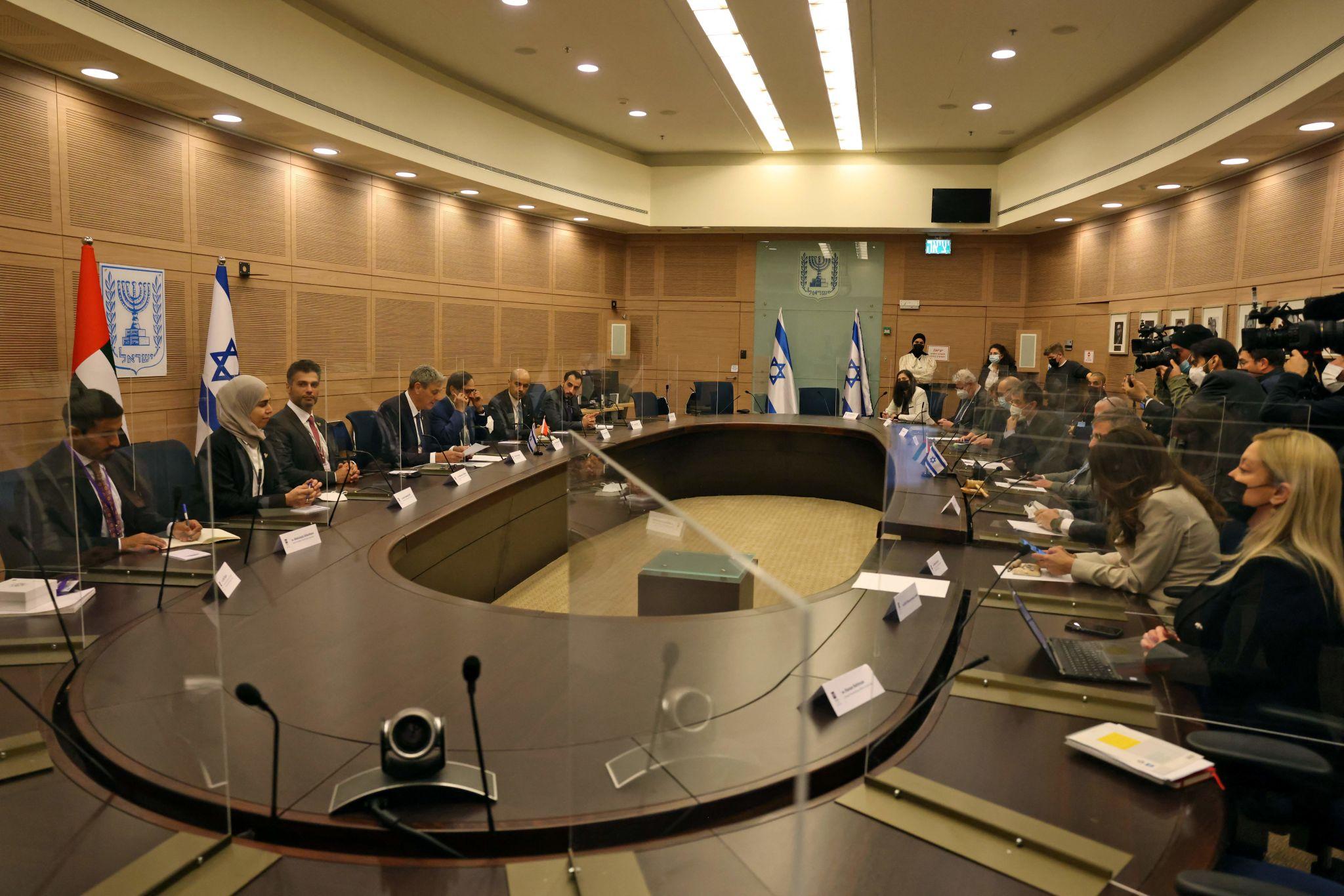
A critical moment for global diplomacy
The Middle East diplomatic crisis highlights a pivotal moment in international relations. Israel’s decision to summon the Italian ambassador following criticism over civilian attacks underscores growing divisions among allies.
In summary, the situation reveals three key developments:
- Increasing tension between security priorities and humanitarian concerns
- Strain on alliances amid evolving geopolitical challenges
- The growing influence of public opinion on foreign policy decisions
As the crisis continues to evolve, the outcome will likely shape future diplomatic strategies and alliances across the region and beyond.