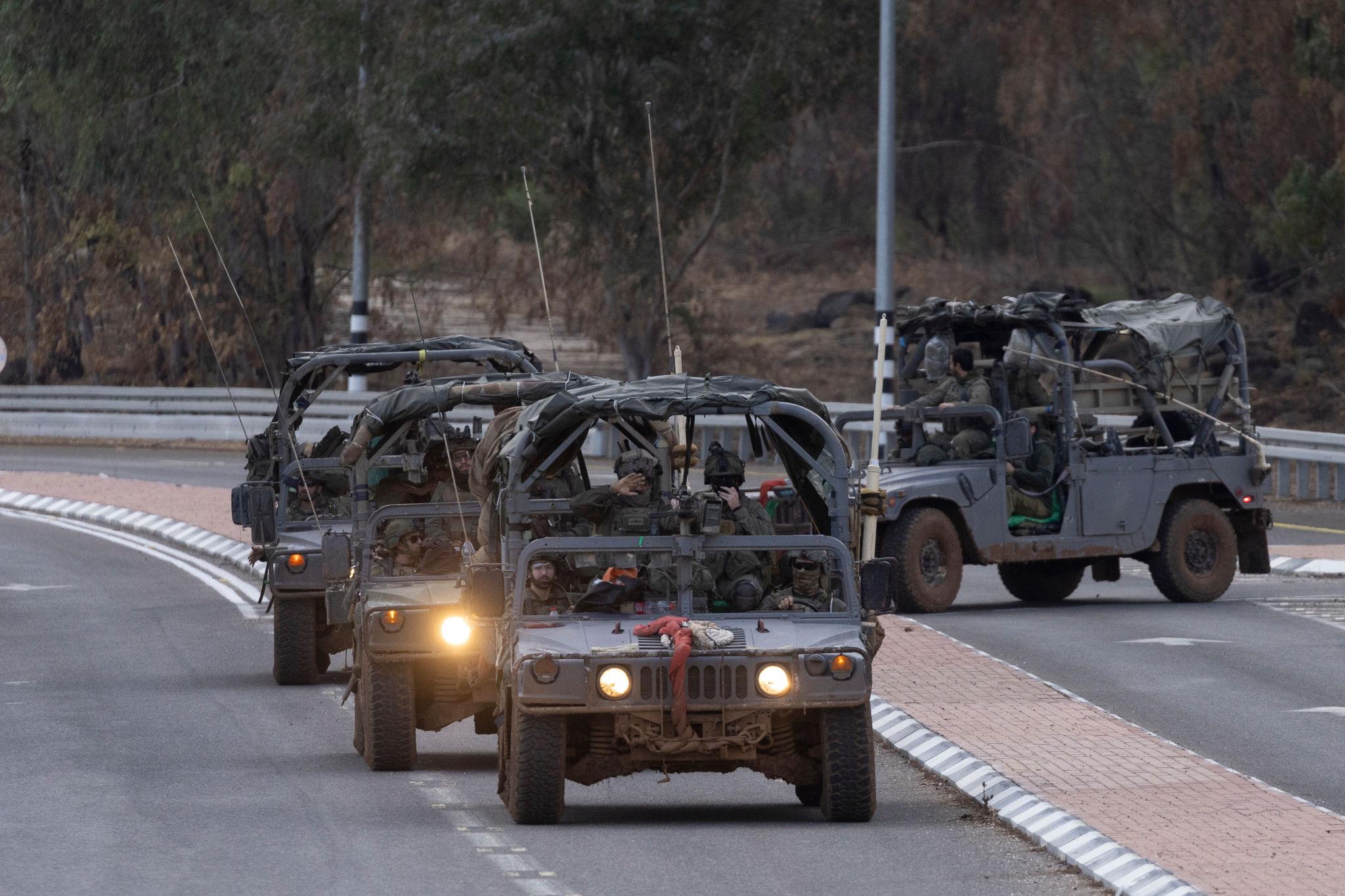
Southern Lebanon, May 3, 2026 (Parliament Politics Magazine) Israel Hezbollah tensions intensified in 2026 as the Israel Defense Forces issued evacuation warnings across multiple towns in southern Lebanon amid expanding military operations targeting Hezbollah infrastructure. The developments mark a significant escalation along the volatile border region, raising concerns about civilian safety and broader regional stability.
Officials stated that the evacuation directives are precautionary, intended to reduce civilian exposure to active military zones. The situation remains fluid, with heightened alert levels on both sides of the border.
“This situation reflects a rapidly evolving security environment that requires immediate precautions,”
a regional security analyst said.
Israel Hezbollah Tensions in 2026
Location: Southern Lebanon
Date: May 3, 2026
Focus: Israel Hezbollah tensions
Trigger Event: Israeli military operations and evacuation orders
Key Parties: Israel Defense Forces, Hezbollah
Primary Concern: Civilian safety amid military escalation
Current Status: Active operations with evacuation measures in place
Evacuation directives signal operational escalation
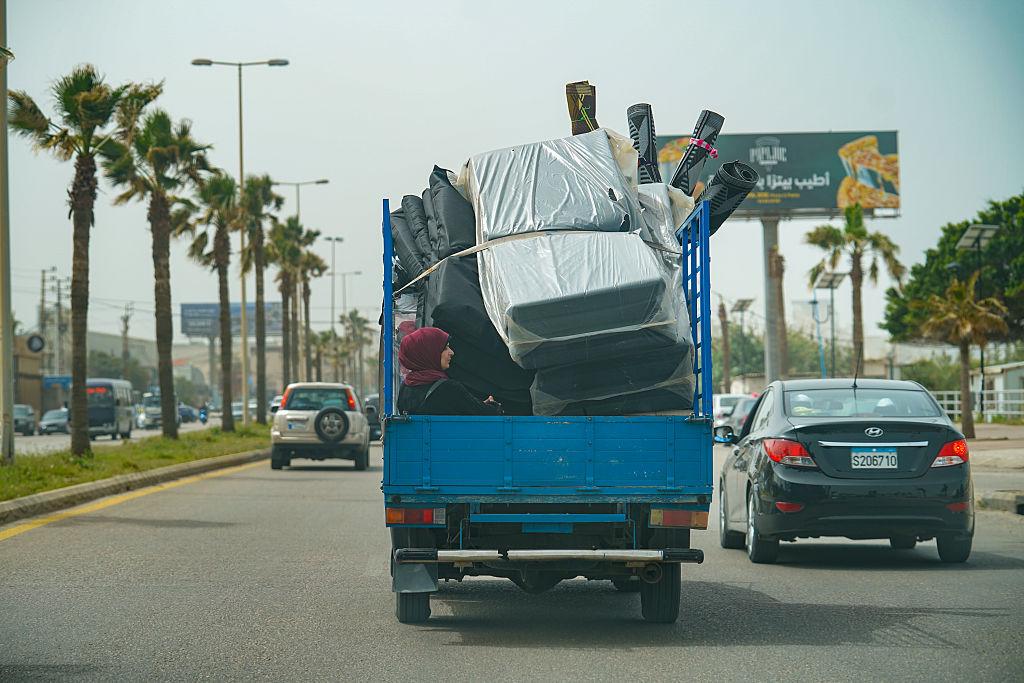
The expansion of evacuation zones reflects a notable shift in the intensity of operations. Authorities have urged residents in affected areas to relocate immediately, citing increased risk levels.
The Israel Hezbollah tensions have historically resulted in localized disruptions, but the current scope suggests a broader operational strategy. Residents have been advised to move northward or seek shelter in designated safe zones.
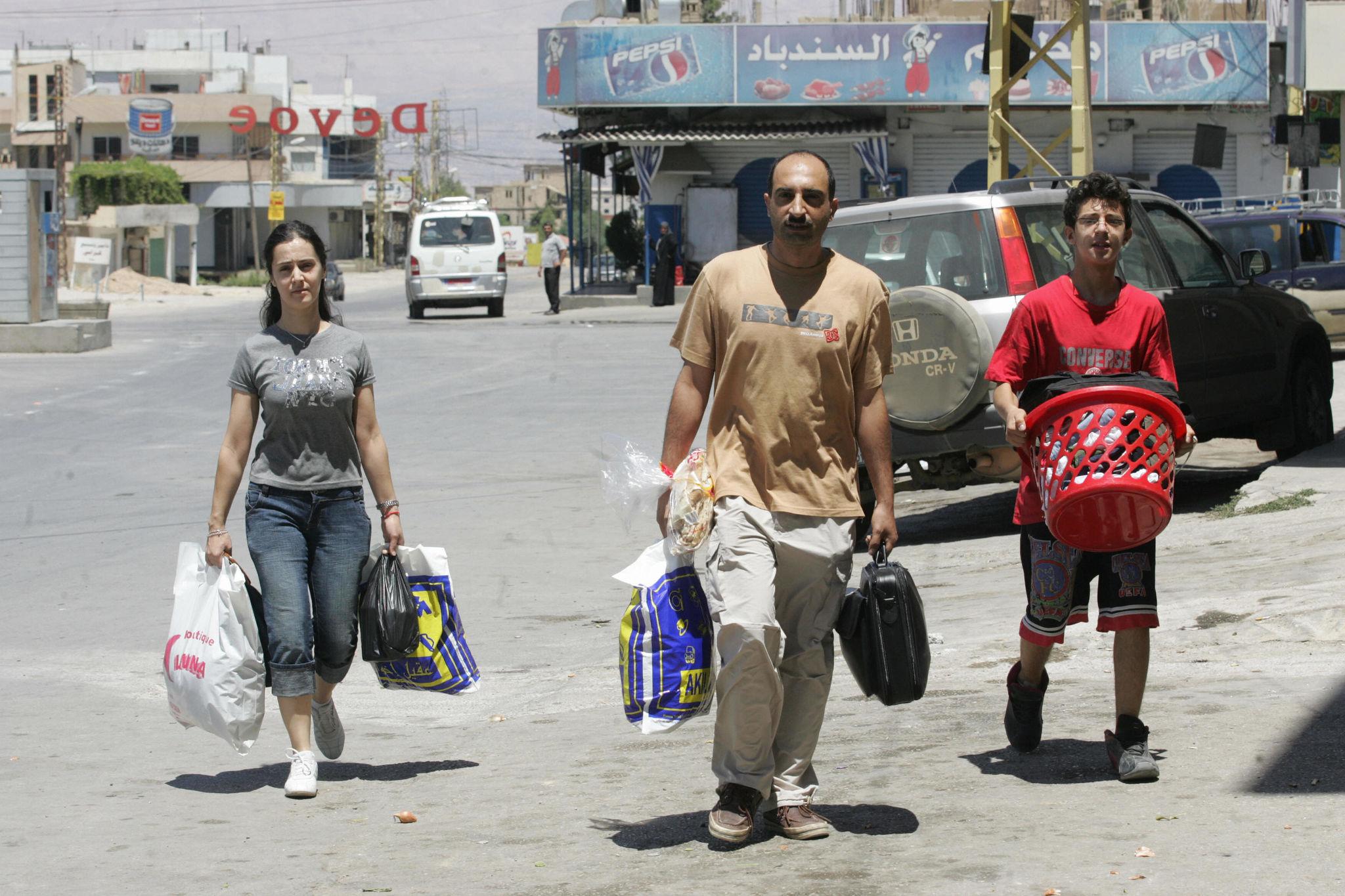
Local reports indicate that families are leaving under urgent conditions, often with limited time to prepare.
Military objectives focus on border security
According to official statements, the operations are aimed at neutralizing threats linked to Hezbollah’s presence near the border. The Israel Hezbollah tensions have been driven by concerns over cross-border attacks and infrastructure development.
Military officials emphasize that actions are targeted and strategic, focusing on minimizing risk to civilians while addressing security priorities. However, the proximity of civilian areas complicates operational dynamics.
“Operations are conducted with precision, but the risks in such environments remain significant,”
a defense expert noted.
Civilian displacement raises humanitarian concerns
The Israel Hezbollah tensions have resulted in growing displacement, with humanitarian organizations closely monitoring the situation. Access to shelter, medical care, and essential services has become a priority as residents relocate.
Displacement challenges are particularly acute for vulnerable populations, including elderly individuals and families with limited resources. Aid groups are working to coordinate responses, though logistical constraints persist.
Regional implications of escalating tensions
The current phase of Israel Hezbollah tensions has broader implications for the Middle East. Neighboring countries and international stakeholders are closely observing developments, given the potential for escalation.
Security analysts warn that prolonged operations could increase the risk of wider conflict, particularly if additional actors become involved. The situation remains highly sensitive.
International calls for restraint and diplomacy
Global leaders have called for de-escalation as the Israel Hezbollah tensions continue to rise. Diplomatic channels are being utilized to encourage restraint and prevent further escalation.
International organizations have emphasized the importance of protecting civilians and maintaining stability in the region. Efforts to mediate the situation are ongoing.
“Preventing escalation requires immediate and coordinated diplomatic engagement,”
a foreign policy official stated.
Historical context of Israel Hezbollah tensions
The current developments are rooted in a long history of Israel Hezbollah tensions, characterized by intermittent conflict and periods of relative calm. Border incidents, military operations, and political dynamics have shaped the relationship over decades.
Understanding this history provides important context for interpreting current events and assessing potential outcomes.
Future outlook for the border region
The trajectory of Israel Hezbollah tensions will depend on several factors, including the duration of military operations and the effectiveness of diplomatic efforts. The situation remains unpredictable, with potential scenarios ranging from de-escalation to further conflict.
Observers note that maintaining stability will require careful management and sustained engagement from all parties involved.
What Israel Hezbollah Tensions Mean for 2026
The escalation of Israel Hezbollah tensions in 2026 underscores the fragile nature of security in the region. Evacuation orders and military operations highlight the immediate risks faced by civilians and the broader implications for regional stability.
The coming weeks will be critical in determining whether the situation stabilizes or intensifies further.