Middle East destruction update signals worsening humanitarian conditions in Gaza.
Thousands remain trapped under debris as recovery efforts struggle.
Global attention turns to rescue operations and long-term recovery in 2026.
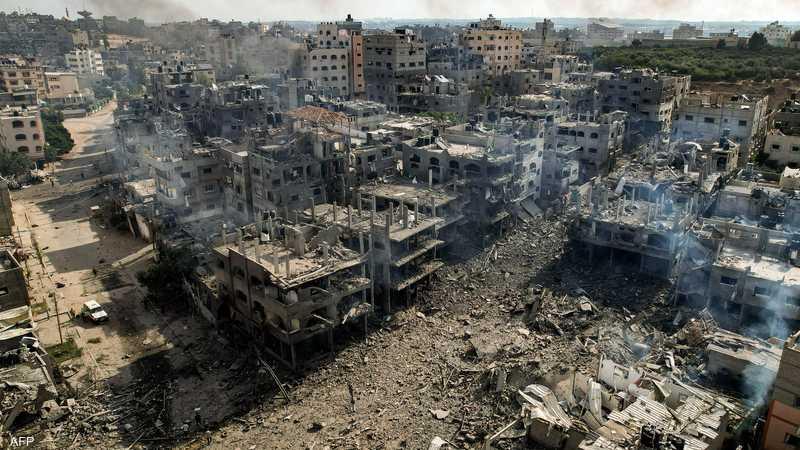
Middle East destruction update, Gaza City, Gaza Strip, (Parliament Politics Magazine) Authorities and humanitarian agencies estimate that approximately 8,000 bodies may still be trapped beneath debris across the Gaza Strip following extensive urban destruction.
The scale of damage has overwhelmed local response systems, leaving thousands of families awaiting answers while rescue teams continue operations under dangerous conditions. The estimate reflects ongoing assessments and underscores the magnitude of the crisis.
Middle East Destruction Update Key Facts 2026
- Location: Gaza Strip
- Date: May 2026
- Estimated Bodies Under Debris: 8,000
- Primary Issue: Large-scale structural collapse
- Rescue Status: Ongoing with limited access
- Key Concern: Humanitarian recovery and identification
- Impact Level: Severe urban destruction
Recovery operations face severe logistical challenges
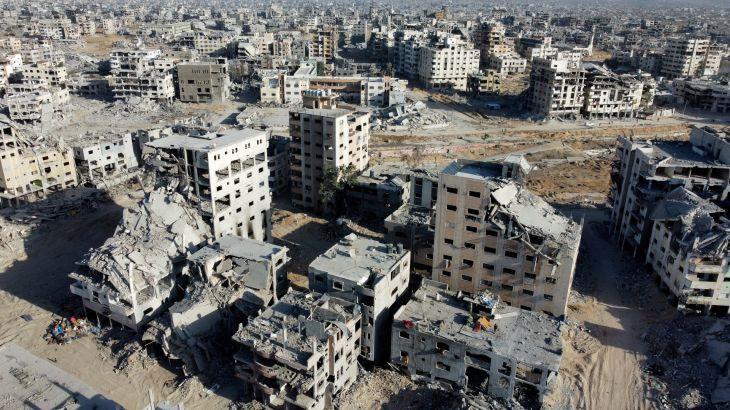
Search and recovery teams continue efforts across heavily impacted areas of the Gaza Strip, where collapsed buildings and unstable debris present significant hazards.
Teams are prioritizing:
- Identification of accessible zones
- Safe removal of debris
- Recovery of remains where possible
A humanitarian responder stated:
“The destruction is widespread, and every effort requires careful planning to ensure the safety of both victims and rescue teams.”
Extent of destruction slows progress in affected regions
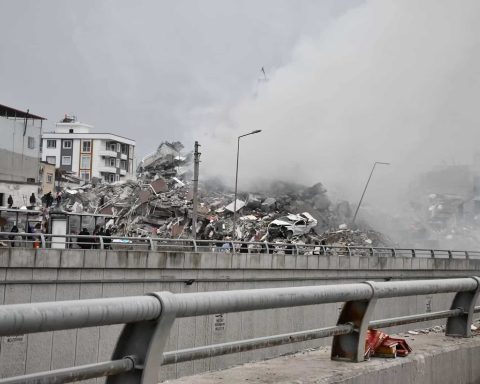
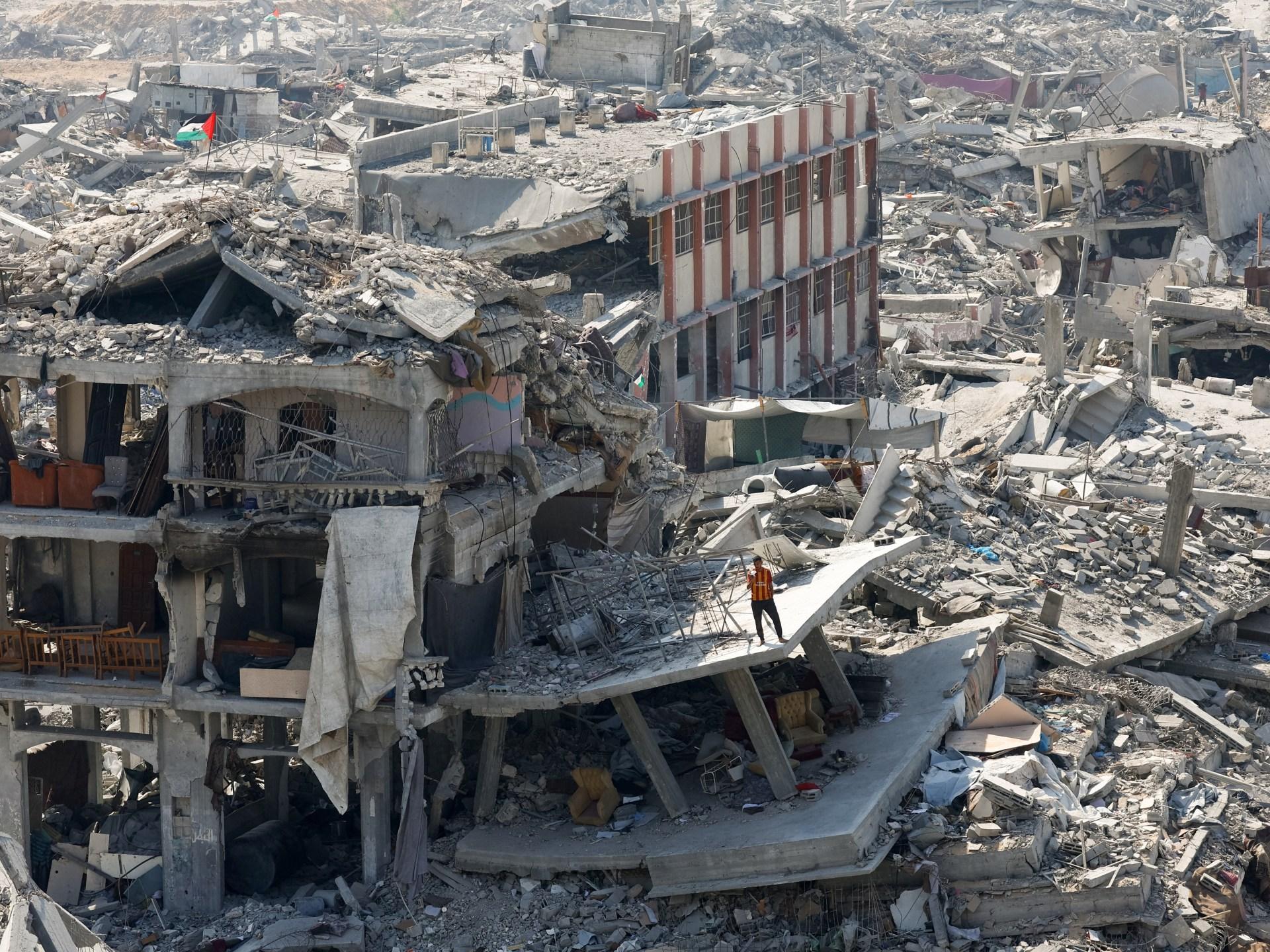
The Middle East destruction update reflects extensive damage to infrastructure, including residential buildings, roads, and essential services. Entire neighborhoods have been reduced to rubble, complicating access and recovery.
Consequences include:
- Limited mobility for rescue teams
- Delayed verification of casualty figures
- Increased risks during operations
Officials note that some areas remain inaccessible, further delaying progress.
Humanitarian impact intensifies across communities
Beyond physical destruction, the Middle East destruction update highlights the human toll on affected populations. Families continue to search for missing relatives while coping with loss and uncertainty.
Key concerns include:
- Emotional and psychological trauma
- Displacement of residents
- Need for sustained humanitarian assistance
Aid organizations stress that long-term support will be essential for recovery.
Verification challenges complicate casualty assessments
Determining accurate figures remains a major challenge in the Middle East destruction update. Estimates are based on available data, but limitations persist due to infrastructure damage and restricted access.
Challenges include:
- Incomplete records of missing individuals
- Communication disruptions
- Safety risks in debris zones
Experts caution that final numbers may evolve as recovery efforts continue.
International aid efforts continue amid constraints
Global humanitarian organizations have mobilized resources to support recovery operations. Assistance includes equipment, personnel, and coordination with local authorities.
Despite these efforts, the Middle East destruction update indicates ongoing challenges:
- Limited access to certain areas
- Logistical constraints
- High demand for resources
International cooperation remains critical to addressing the crisis.
Historical context of large-scale urban destruction
The Middle East destruction update can be understood within a broader historical context of urban conflicts and disasters. Similar events have demonstrated how densely populated regions face prolonged recovery periods after large-scale destruction.
Historical patterns show:
- Recovery operations extending over months or years
- Complex identification processes
- Long-term economic and social impacts
These precedents highlight the scale of effort required for recovery.
Expert insights on recovery timeline and challenges
Experts suggest that the recovery process in the Gaza Strip will require sustained effort and coordination.
One analyst noted:
“Recovery in densely populated urban environments is always complex, and this situation presents additional challenges due to the scale of destruction.”
Another expert added:
“The focus must remain on safe and systematic recovery while ensuring support for affected communities.”
A third observer emphasized:
“International collaboration will be essential to address both immediate needs and long-term rebuilding efforts.”
Outlook: uncertain path forward for recovery efforts
The Middle East destruction update indicates that the situation remains fluid, with recovery efforts ongoing and conditions evolving.
Key factors influencing the outlook include:
- Availability of resources
- Access to affected areas
- Coordination among agencies
Authorities are working to improve response capacity and accelerate recovery operations.
Middle East destruction update key developments
The estimate of thousands still under debris underscores the severity of the crisis in the Gaza Strip.
- Recovery operations continue under difficult conditions
- Infrastructure damage limits access and verification
- Humanitarian concerns remain critical
- International support plays a key role
The situation remains a major focus for global attention as efforts continue.