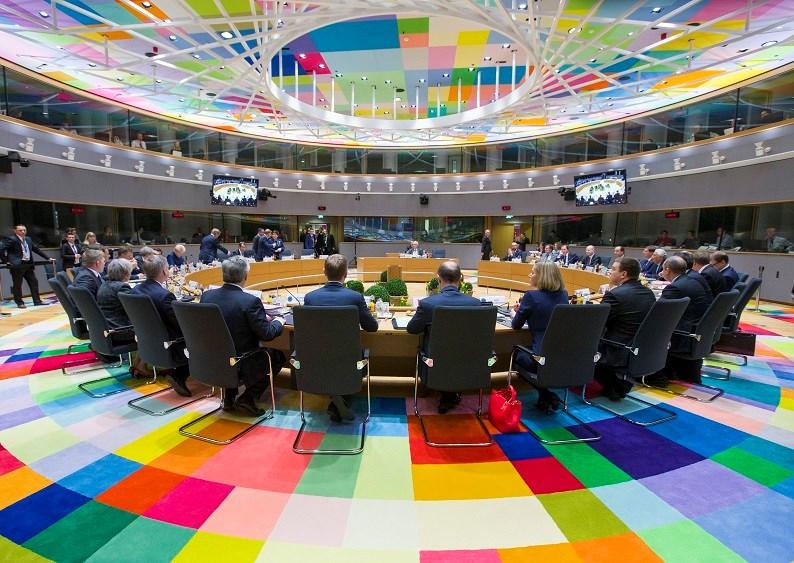
Google is facing renewed European scrutiny as regulators push stricter digital competition standards in 2026.
The latest dispute focuses on search visibility, publisher fairness, and broader online market dominance concerns.
Technology companies and investors are closely monitoring how new European rules could reshape global digital platforms.
BRUSSELS, Belgium (Parliament Politics Magazine) Google search regulations are once again at the center of Europe’s growing technology crackdown after European Union officials intensified scrutiny over the company’s search practices and digital market influence.
The latest developments come as regulators evaluate whether Google’s current search operations comply with increasingly aggressive European competition standards aimed at improving transparency, market fairness, and publisher visibility online.
European officials have spent years building stricter oversight policies targeting large technology firms, particularly companies with dominant control over digital advertising, search traffic, and online information distribution systems.
Analysts believe the expanding debate around Google search regulations could significantly influence how global technology companies operate across Europe over the coming decade.
“Europe is attempting to redefine the balance of power between technology platforms and digital competition,”
one European policy strategist said.
Google Search Regulations 2026
- Company: Google
- Region: European Union
- Location: Brussels, Belgium
- Date: May 6, 2026
- Primary Issue: Search Competition Rules
- Regulatory Focus: Digital Market Fairness
- Industry Impact: Technology and Media Sectors
- Main Concern: Search Visibility and Market Dominance
- Potential Outcome: Operational Changes or Financial Penalties
- Investor Sentiment: Closely Monitored
- Publisher Focus: Transparency and Traffic Distribution
- Global Relevance: Expanding Digital Regulation Standards
European Regulators Increase Oversight of Search Platforms
European regulators continue pushing for tighter enforcement of digital market rules designed to prevent anti-competitive behavior among major technology companies.
The latest review surrounding Google search regulations focuses heavily on how online content is ranked, displayed, and prioritized within Google’s search ecosystem.
Officials argue that companies controlling large portions of internet traffic carry major responsibilities regarding transparency and fair treatment of publishers, advertisers, and competing platforms.
The European Union has increasingly positioned itself as a global leader in digital market regulation, frequently introducing laws that later influence international policy discussions.
Many policymakers believe stronger enforcement measures are necessary to maintain healthy market competition in rapidly evolving digital industries.
Publishers Continue Demanding Greater Transparency
News publishers and digital media organizations across Europe continue requesting greater clarity regarding search algorithms and traffic distribution practices.
Media companies argue that search engines possess enormous influence over audience visibility and advertising revenue generation.
Supporters of tighter Google search regulations claim stronger oversight could help protect smaller publishers competing against larger digital platforms and major international media brands.
Several publishing groups have publicly supported European efforts to increase accountability surrounding search rankings and online content prioritization.
Industry observers note that digital publishers have become increasingly dependent on search engine traffic as traditional advertising models continue evolving.
“Search visibility now directly impacts the survival of many digital news organizations,”
a media analyst stated.

Investors Watch Technology Regulation Closely
Financial markets continue carefully monitoring European regulatory actions involving major technology firms.
Some analysts warn that expanding Google search regulations could increase compliance costs while forcing operational adjustments within digital advertising and search-related business models.
At the same time, investors also recognize that regulatory clarity may reduce long-term uncertainty for global technology companies operating within Europe.
The broader technology sector has faced rising legal and regulatory pressure in recent years tied to competition concerns, privacy protections, artificial intelligence oversight, and data usage practices.
Large institutional investors remain focused on how regulatory shifts may impact future profitability and operational flexibility across the digital economy.
Google Attempts to Address Regulatory Concerns
Google has reportedly explored multiple approaches aimed at addressing European concerns regarding search competition and publisher fairness.
The company has previously introduced adjustments involving content display, publisher partnerships, and advertising transparency initiatives.
However, critics argue additional changes may still be necessary under evolving Google search regulations being discussed across the European Union.
Technology industry experts say Google faces a difficult balancing act between maintaining product efficiency and complying with increasingly strict international rules.
Some analysts believe the company may continue negotiating operational compromises designed to avoid larger legal penalties or structural restrictions.
Digital Competition Rules Continue Reshaping Europe
The European Union’s broader digital competition framework has become one of the world’s most influential regulatory systems for technology oversight.
The growing debate surrounding Google search regulations reflects wider European concerns regarding market concentration and the economic influence of major digital platforms.
European lawmakers argue that stronger competition policies help preserve innovation while preventing excessive dominance within online markets.
Technology companies often counter that excessive regulation could slow innovation and increase operational complexity.
Despite industry concerns, European regulators appear committed to maintaining aggressive enforcement strategies targeting dominant digital companies.
History of Europe’s Technology Crackdown
Europe’s campaign to regulate major technology companies has steadily expanded over the past decade.
Large investigations involving search practices, digital advertising systems, data privacy, app marketplaces, and artificial intelligence have resulted in billions of dollars in financial penalties across the technology sector.
The latest expansion of Google search regulations continues that broader trend toward increased oversight and market intervention.
Several international governments are now studying Europe’s approach as they consider implementing their own digital competition frameworks.
Analysts believe the European Union’s regulatory decisions could shape global standards for technology governance over the coming years.
“Europe is increasingly becoming the global testing ground for technology regulation,”
one digital economist said.
Technology and Media Industries Face Uncertain Future
The growing regulatory environment has created uncertainty for both technology companies and media organizations dependent on digital traffic systems.
Publishers continue advocating for greater revenue-sharing protections and improved transparency within digital ecosystems.
Meanwhile, technology firms warn that excessive restrictions may disrupt innovation and reduce consumer convenience.
The ongoing debate over Google search regulations highlights the increasingly complex relationship between digital platforms, regulators, publishers, advertisers, and consumers.
Industry experts believe future negotiations between governments and technology companies could eventually reshape the structure of online information distribution globally.
Key Takeaways From Europe’s Google Search Crackdown
European regulators are intensifying oversight of Google’s search operations as broader digital competition rules continue expanding throughout 2026.
The dispute reflects growing concerns regarding publisher fairness, market dominance, online transparency, and the future structure of digital information ecosystems.
Technology companies, investors, publishers, and policymakers worldwide are expected to continue monitoring how Google search regulations evolve as Europe strengthens its position as a global leader in digital oversight.