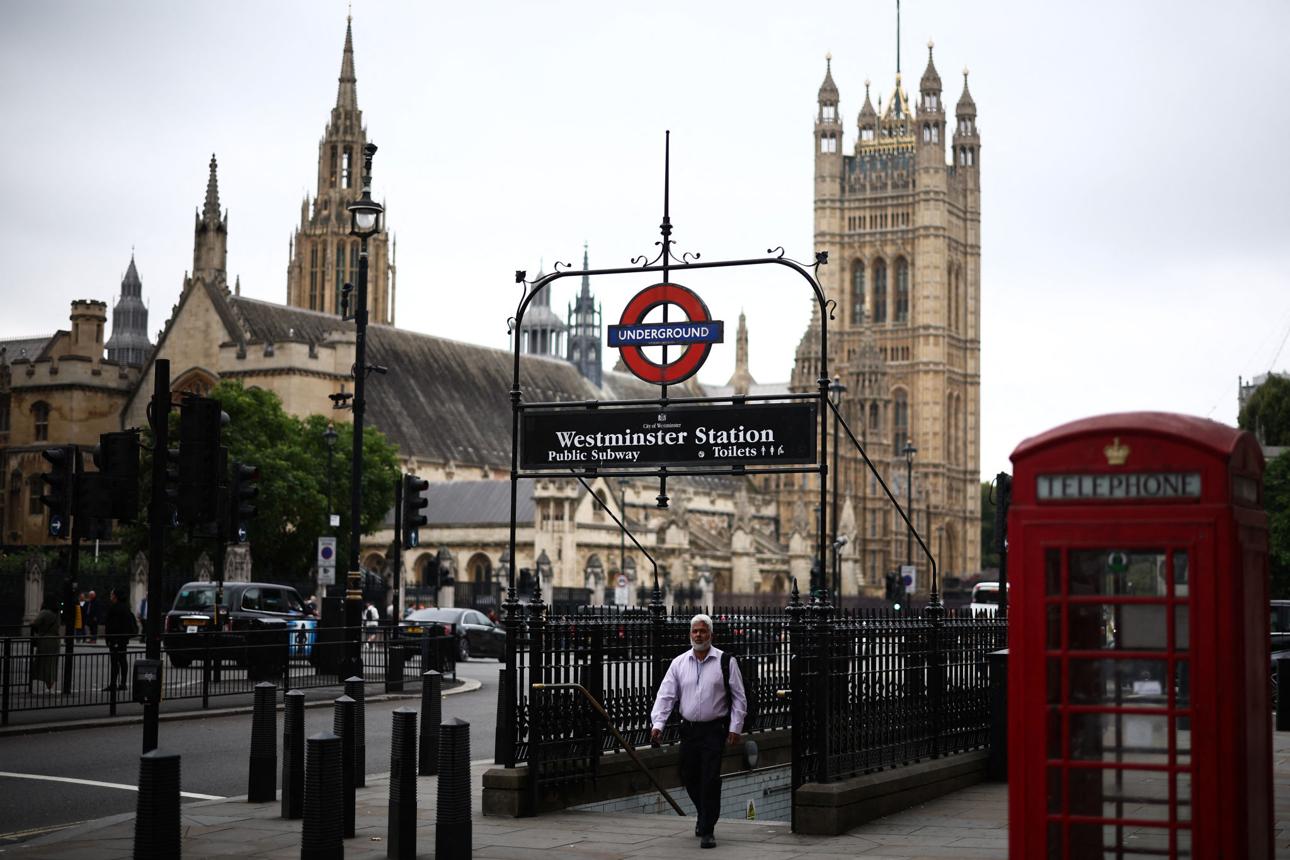
The UK Prime Minister controversy intensified after Keir Starmer dismissed calls to resign amid rising political pressure in Britain.
Starmer said his government remains focused on economic recovery and public services despite criticism from opponents.
The growing leadership debate is becoming one of the defining political stories in London during 2026.
LONDON, United Kingdom (Politics Parliament Magazine) UK Prime Minister controversy continued dominating headlines across Britain after Prime Minister Keir Starmer publicly rejected growing calls for his resignation, insisting his government remains focused on governing the country during a difficult political and economic climate. The Labour leader pushed back against criticism from opposition parties, political commentators, and frustrated voters while defending his administration’s policies during a tense period in Westminster politics.
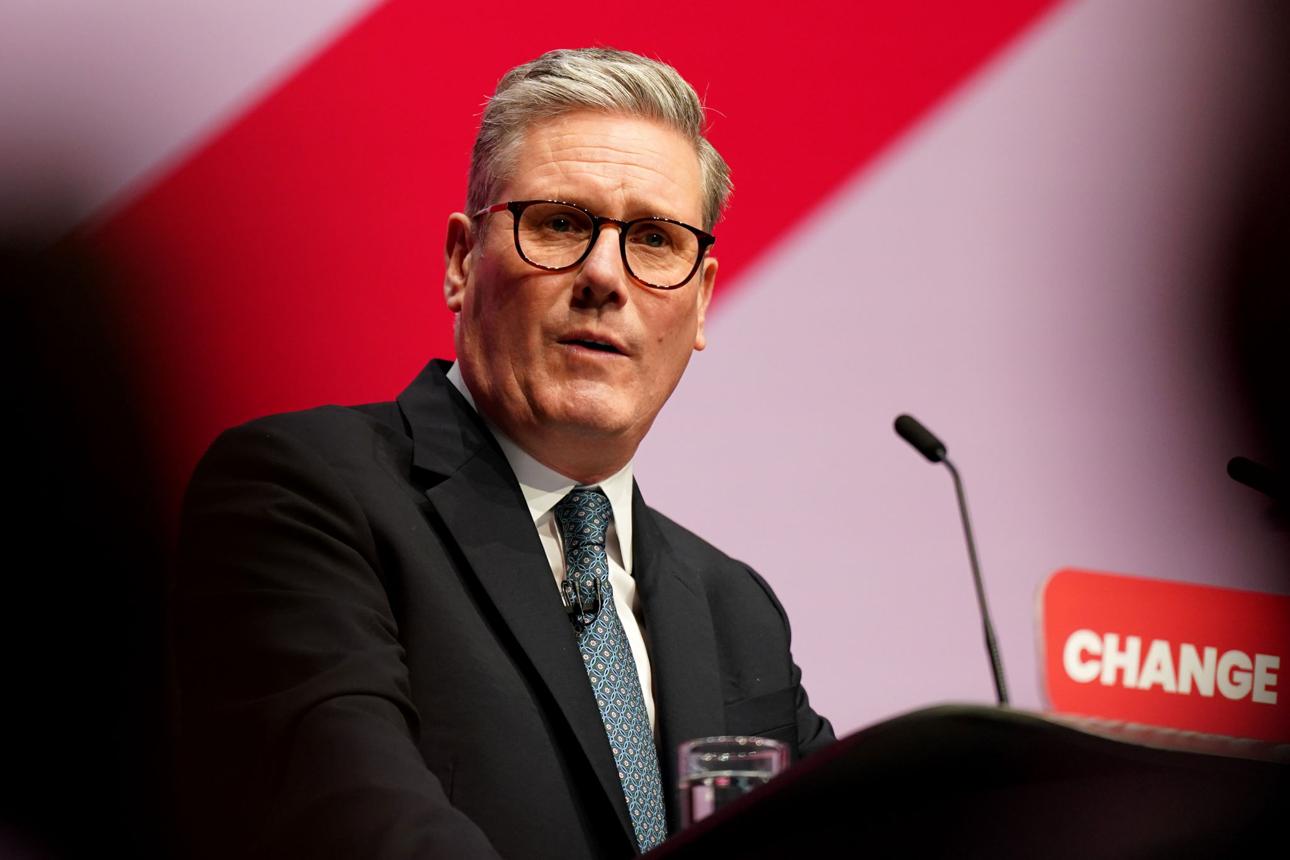
Speaking during a public appearance in London, Starmer attempted to project confidence despite rising pressure surrounding his leadership. The political tensions have intensified following weeks of criticism over economic conditions, internal disagreements, public sector concerns, and declining approval ratings.
“We were elected to govern Britain through challenging times, and that is exactly what we are doing,”
Starmer said.
“Political noise will not distract us from serving the public.”
The comments immediately fueled fresh political debate throughout Britain as lawmakers and analysts questioned whether the government can stabilize public confidence before the next major election cycle.
| Category | Details |
|---|---|
| Country | United Kingdom |
| Prime Minister | Keir Starmer |
| Topic | Leadership Pressure |
| Main Issue | Calls for resignation |
| Political Climate | High tension |
| Economic Concerns | Inflation, housing, public spending |
| Opposition Response | Increased criticism |
| Public Focus | Leadership stability |
| Date | May 2026 |
| Location | London |
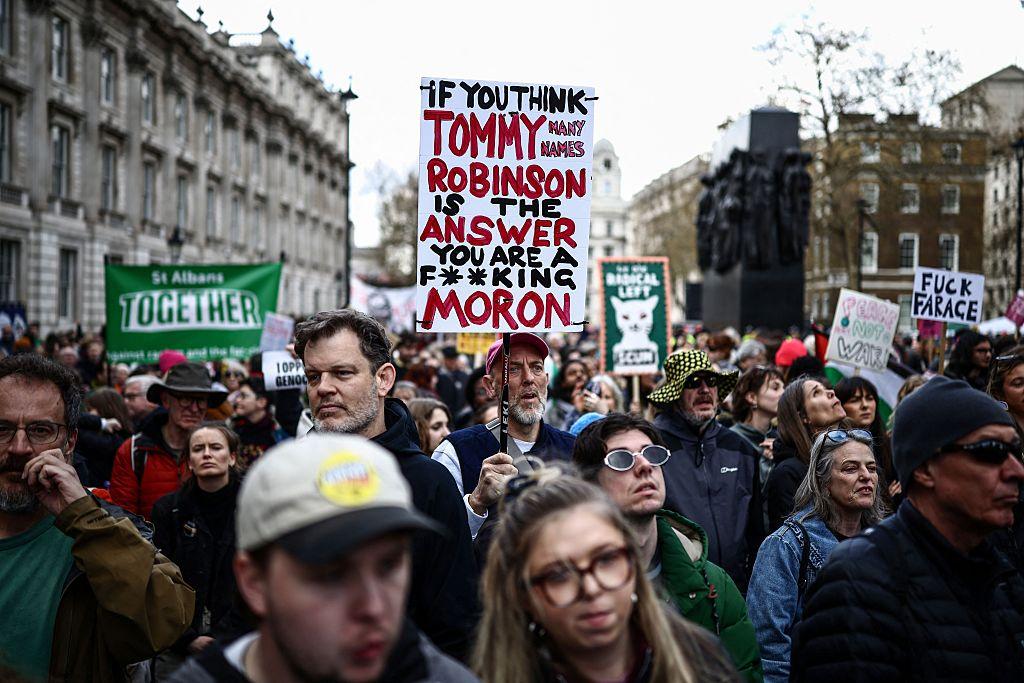
Leadership Pressure Intensifies Across Westminster
The growing UK Prime Minister controversy reflects broader political instability developing across the United Kingdom during 2026. Political analysts say voter frustration has increased due to economic uncertainty, rising living costs, healthcare concerns, and divisions within British politics.
Several lawmakers and media figures have openly questioned whether Starmer’s leadership remains strong enough to maintain Labour’s political momentum. Although no formal leadership challenge has been announced, political tensions inside Westminster continue growing.
A senior political analyst in London described the situation as
“a critical moment for the Labour government.”
“The public wants stability and visible results,”
the analyst said.
“Any perception of weak leadership can quickly become politically damaging.”
The government has attempted to shift focus toward economic recovery plans and public sector reforms. However, opposition parties continue using the controversy to challenge Labour’s credibility.
Economic Pressures Continue Fueling Public Frustration
The British economy remains central to the ongoing UK Prime Minister controversy as many households continue facing financial pressure. Concerns surrounding inflation, housing affordability, wage growth, and public service funding have intensified public debate about government performance.
Although officials have highlighted signs of stabilization in certain sectors, many voters believe economic improvements are not reaching ordinary households quickly enough.
Opposition critics argue that Labour promised stronger economic recovery but has struggled to deliver rapid visible progress. Meanwhile, government officials insist rebuilding economic confidence requires long-term planning and structural reform.
Political strategists believe the economic narrative could determine the future direction of Britain’s political landscape over the next year.
“People judge governments based on their personal financial reality,”
one economist explained.
“That remains a major challenge for the administration.”
Starmer Defends His Government’s Priorities
Despite the growing UK Prime Minister controversy, Starmer has continued emphasizing that his government remains committed to long-term national priorities including healthcare investment, infrastructure modernization, economic reform, and public safety initiatives.
Labour officials argue the government inherited serious structural challenges that cannot be solved immediately. The prime minister’s allies insist political distractions should not interfere with governing responsibilities.
“The focus remains on improving lives across Britain,”
a Labour spokesperson said.
“The government is working every day on economic growth and public services.”
Starmer also used recent remarks to reinforce the image of steady leadership under pressure.
“Leadership is about responsibility, not panic,”
he stated during a press conference in London.
The statement quickly circulated across British media outlets and social platforms, further intensifying national political discussion.
Opposition Parties Increase Their Attacks
The continuing UK Prime Minister controversy has provided opposition parties with opportunities to intensify criticism against Labour leadership. Conservative lawmakers argued the government appears increasingly disconnected from voter frustration and national concerns.
Several opposition figures claimed Britain requires stronger economic management and more decisive political leadership during uncertain global conditions.
“The country needs confidence and direction,”
one opposition official said.
“People are worried about their future, and they want answers.”
Political analysts believe the battle over public perception may become increasingly aggressive as parties prepare for future elections. Media coverage surrounding leadership pressure continues dominating political discussion across Britain.
Public Trust Becomes a Central Political Battle
One of the biggest challenges facing the government involves restoring public confidence during the ongoing UK Prime Minister controversy. Polling trends suggest many British voters remain frustrated with both political parties and wider national conditions.
Experts say public trust in institutions has weakened significantly in recent years due to economic instability, political scandals, and growing polarization.
Social media has also accelerated political pressure, making leadership controversies spread rapidly across online platforms.
“Modern politics moves at extreme speed,”
a European political analyst explained.
“Public anger can escalate within hours.”
The government now faces the difficult challenge of balancing long-term policy goals with immediate public expectations.
Historical Political Pressure Has Tested British Leaders Before
The current UK Prime Minister controversy is not the first time British leaders have faced enormous political pressure while governing during difficult periods. Throughout modern British history, prime ministers have encountered internal party rebellions, economic crises, and public dissatisfaction.
From economic recessions to political scandals, leadership pressure has long shaped Westminster politics. Political historians note that today’s digital media environment has amplified political scrutiny more aggressively than in previous decades.
The rapid spread of political narratives through television, online media, and social platforms means leadership controversies now develop much faster than in earlier eras.
Some historians believe the current tensions surrounding Starmer may eventually become one of the defining political moments of Britain’s 2026 political cycle.
Britain Faces Growing Political Uncertainty
The ongoing UK Prime Minister controversy continues unfolding during a period of wider uncertainty across Europe and global markets. Governments throughout Western nations are facing pressure connected to inflation, immigration debates, public spending, and national security concerns.
Political experts warn that prolonged political instability could weaken economic confidence and deepen public frustration if leaders fail to provide clear solutions.
Some analysts believe Britain’s political climate may remain volatile for much of 2026 as parties compete to regain voter trust.
“There is enormous pressure on political leadership across Europe right now,”
one observer stated.
“Britain is part of a much larger global political trend.”
Westminster Braces for More Political Tension
As the UK Prime Minister controversy continues dominating headlines, Westminster officials expect further political confrontations in the coming weeks. Parliamentary debates over economic policy, government spending, healthcare, and public sector reform are likely to intensify.
While critics continue demanding accountability, Starmer appears determined to remain focused on governance rather than political speculation.
The government believes maintaining stability and projecting discipline will help reassure moderate voters concerned about national uncertainty.
However, political observers warn that future polling trends and economic performance could significantly influence public perception moving forward.
The growing UK Prime Minister controversy surrounding Keir Starmer highlights the intense political pressures currently shaping Britain during 2026. Calls for resignation, public frustration, economic uncertainty, and rising political division have created a highly challenging environment for the Labour government.
Despite criticism from opponents and pressure from political commentators, Starmer continues insisting his administration remains focused on governing Britain through difficult circumstances.
As Westminster prepares for more political confrontation in the months ahead, the debate over leadership, stability, and public trust may become one of the defining stories influencing the future direction of British politics.