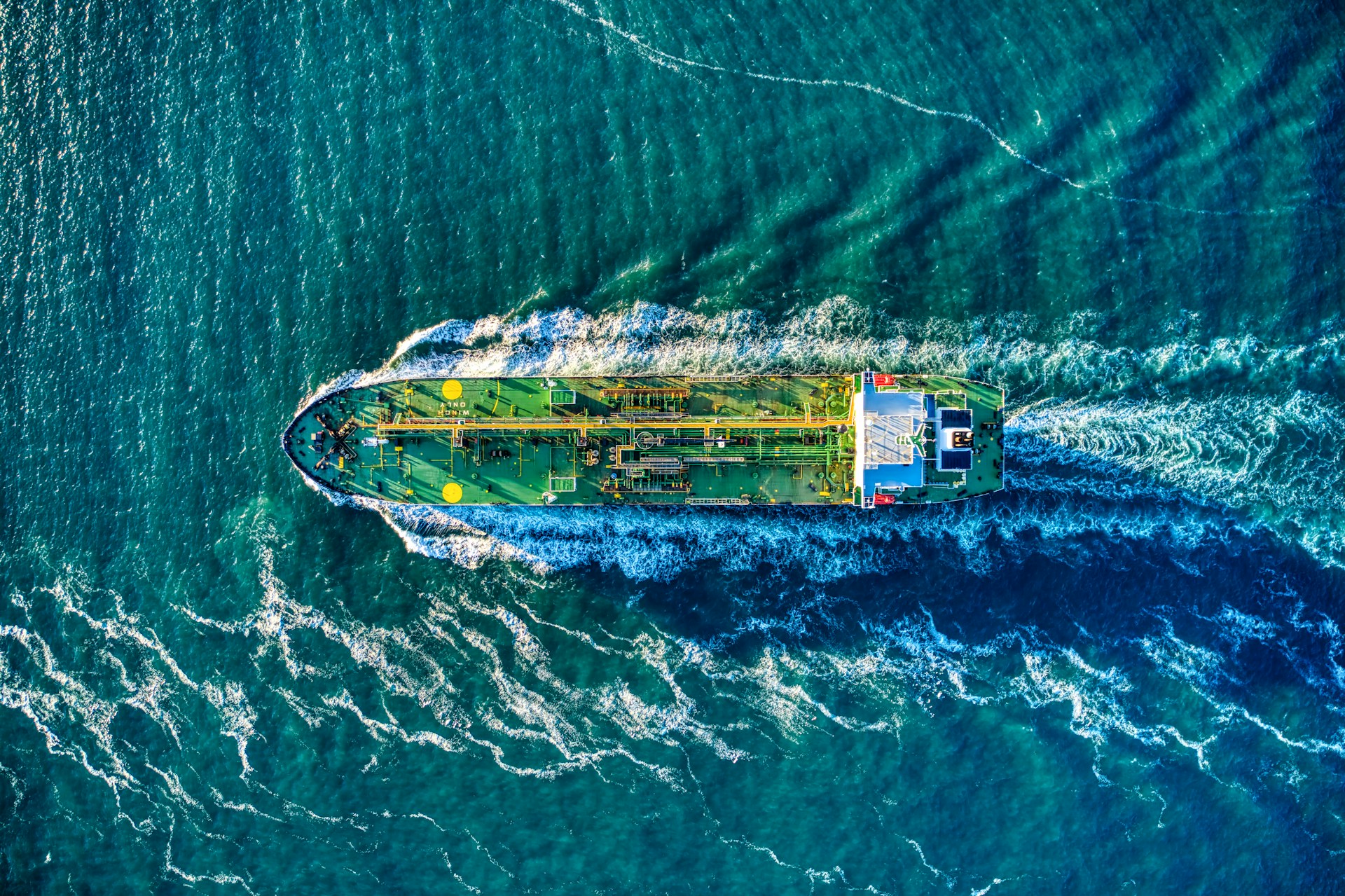
TEHRAN, June 17 (Parliament Politics Magazine) – At least three tankers carrying Iranian oil have sailed through the United States naval blockade this week. Shipping data confirmed these vessels successfully navigated the passage after the U.S. and Iran agreed on a framework deal to reopen the strategic Strait of Hormuz.
The shipments signify a gradual resumption of Iranian oil exports. While these supplies are expected to bolster global markets, analysts note that demand from China remains limited due to poor domestic margins.
Tracking data from Kpler and Vortexa identified three specific vessels currently moving through the region. The Very Large Crude Carriers Hero II and Diona are each carrying 2 million barrels of oil. Both ships have passed through the Gulf of Oman and are currently heading east.
A third vessel, the Suezmax Sonia I, is transporting 1 million barrels of oil. This tanker has also cleared the blockade and is currently en route to Singapore. According to the data, the Hero II loaded its cargo in late March, while the remaining two vessels completed loading between April 8 and April 9. An additional Iranian-linked vessel, the VLCC Stream, is currently moving toward the blockade empty.
The U.S. blockade previously caused significant disruption to energy logistics. In May, these restrictions forced Iranian crude exports down to their lowest point in six years, reaching only 260,000 barrels per day. This figure represented less than one-fifth of the 2025 average of 1.67 million barrels per day.
The recent movement of tankers follows a memorandum of understanding reached between the two nations to conclude the regional conflict. A senior U.S. official confirmed the policy shift on Tuesday, stating that Washington will now permit Iran to immediately resume oil and fuel sales.
“The U.S. will allow Iran to immediately begin selling oil and fuel,” the senior U.S. official said.
The prospect of increased oil supply from the Middle East has already influenced international pricing. Global oil prices, which had seen a sharp surge since the war began on February 28, have dropped to three-month lows following the announcement.
While the U.S. administration announced that the Strait of Hormuz is fully open and toll-free, reports from Iranian state media suggest a conditional 60-day window for these terms. Despite the breakthrough, major maritime groups like Bimco have advised shipowners to remain cautious, citing potential residual risks from naval mines deployed during the conflict. The broader deal is reportedly supported by a $300 billion private-sector Reconstruction and Development Fund aimed at encouraging future investment in Iran.