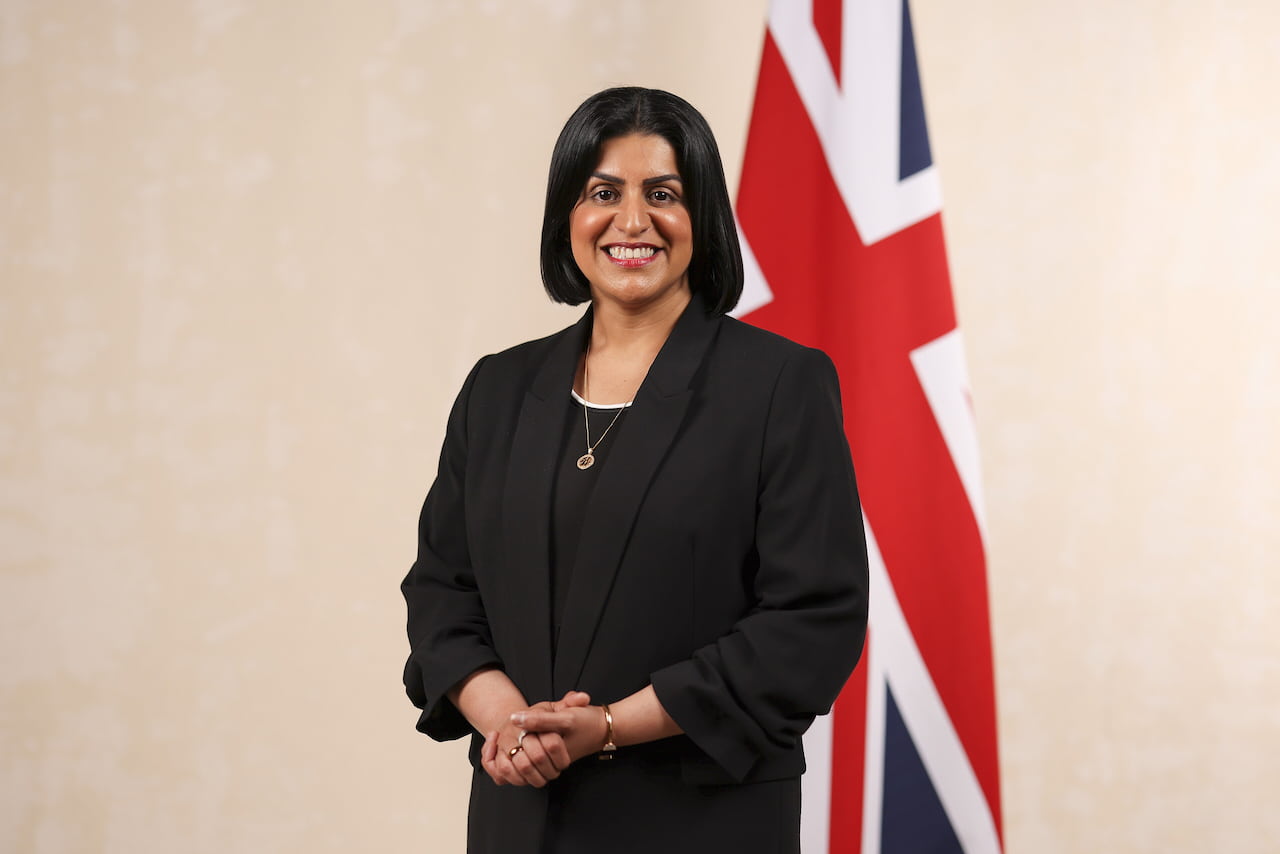
LONDON, June 27 (Parliament Politics Magazine) – Home Secretary Shabana Mahmood has announced a sweeping new immigration and asylum bill to introduce Canada-inspired safe and legal routes for refugees. The framework aims to protect genuine refugees through a community-driven sponsorship model while simultaneously tightening human rights rules to streamline deportations.
The core of the new system mimics Canada’s Private Sponsorship of Refugees program. It shifts a portion of the resettlement responsibility from direct government operations to civil society. Opening in autumn, trusted private citizens, community groups, charities, and churches can directly sponsor refugees. Selected, approved universities will also be permitted to act as sponsors, and a separate track allowing UK businesses to sponsor refugees is scheduled to launch next year.
Home Office data indicates that 70 percent of sponsored refugees under Canada’s system find employment within one year, vastly outperforming standard government schemes. The Home Office has not specified the expected number of refugees using these new pathways, but it indicated the system would operate at a much higher capacity compared to the existing UK Resettlement Scheme.
The Home Secretary said: “I will open new legal routes for genuine refugees, while closing loopholes that have been too often abused. My goal is simple: to ensure we have an asylum system not just today, but for generations to come.”
Reforms to Human Rights Regulations
To manage public trust and lower numbers, the bill pairs these humanitarian pathways with strict enforcement restrictions. The legislation restricts the definition of family to immediate relatives only to block claims often used to appeal deportation. The new law will tighten the definition of family for the purposes of the European Convention on Human Rights, restricting it to immediate family members only.
Critics of the asylum system have focused on Article 8 of the convention, saying it has been used to frustrate the deportation of people with no right to be in the UK. The Home Office said the new definition would prevent situations such as one that prevented the deportation of a convicted domestic abuser from Poland because he acted as a father figure to his nephew.
The new legislation will also remove modern slavery protections from foreign offenders who have been jailed. Additionally, the Home Office will automatically reject asylum claims if they are filed only after deportation proceedings have already begun if there was an opportunity to make a claim earlier.

Deportation and Enforcement Measures
The government plans to introduce several other measures to manage immigration numbers. This includes a 20-year residency bar for anyone who arrives in the UK through unauthorized means, such as small boats. Those affected will be barred from gaining permanent settlement or citizenship for at least two decades.
The UK also plans to penalize foreign nations that refuse to take back their deported citizens. The government will do this by slowing down or stopping visa processing for visitors from those countries. Furthermore, the government plans to offer up to £40,000 in financial support to failed asylum seekers who agree to leave the UK voluntarily.
Political Friction Over New Policies
The announcement comes as Mahmood faces questions about whether she will remain in post once Sir Keir Starmer leaves Downing Street. Her planned changes to rules governing indefinite leave to remain have drawn criticism from some Labour MPs. During his by-election campaign in Makerfield, Andy Burnham suggested that he wanted a consultation on the proposals, leaving open the possibility that they could be revised.
Mahmood also spent Friday embroiled in a row with one of her junior ministers, Mike Tapp, after he suggested exempting care workers from her reforms. Sir Keir resisted her calls to sack Tapp, with Downing Street issuing a rebuke to both ministers. The policy has caused a massive internal rift, with some members of the Labour party calling it cruel, while right-wing opposition politicians have praised the tough enforcement aspects.