


AI gaming development accelerates across Singapore in 2026.
Technology firms are investing in adaptive engines and intelligent gameplay systems.
Industry analysts say the shift could redefine global digital entertainment standards.
SINGAPORE, February 19, 2026 — According to Parliament News, that AI gaming development is rapidly transforming the digital entertainment landscape in Singapore, positioning the city state as one of Asia’s most dynamic technology hubs. Government backed innovation incentives, expanding cloud infrastructure, and rising global demand for immersive experiences have combined to accelerate research and commercial deployment across the gaming ecosystem.
In 2026, Singapore has emerged as a strategic center where artificial intelligence research intersects with mobile gaming growth, esports broadcasting, and cloud streaming services. Industry leaders suggest the momentum behind AI gaming development reflects a broader global pivot toward intelligent automation in interactive media.
The convergence of high speed connectivity, advanced computing resources, and a skilled engineering workforce has made Singapore a compelling base for multinational game studios. Analysts believe the current growth cycle may redefine how digital games are built, monetized, and experienced over the next decade.
Strategic Investment and Infrastructure Growth
Public and private sector investments have expanded significantly over the past two years. Data center capacity has increased to accommodate the computing requirements of modern machine learning models, while venture funding has flowed into startups specializing in adaptive engines and analytics platforms.
AI gaming development requires substantial processing power. Real time player data analysis, procedural content generation, and predictive behavioral modeling demand scalable cloud resources. Singapore’s infrastructure strategy has prioritized redundancy, low latency networking, and regional interconnectivity.
International technology firms have announced new partnerships with local studios to co develop advanced toolkits. These initiatives strengthen Singapore’s role as a bridge between Western research institutions and Southeast Asian consumer markets.
Government agencies have also supported workforce training programs focused on artificial intelligence engineering, game design integration, and data science specialization. The long term objective is to ensure that domestic talent pipelines remain competitive in a rapidly evolving sector.
Transforming Game Design and Production
The internal mechanics of game creation are undergoing profound change. Instead of static development cycles, studios increasingly rely on continuous learning systems that refine gameplay after release. AI gaming development now influences environment design, character behavior, narrative branching, and post launch optimization.
Procedural world building technologies can generate expansive digital landscapes with minimal manual coding. Developers train algorithms to create diverse terrains, architectural patterns, and mission sequences. This reduces production timelines while preserving creative flexibility.
Quality assurance testing has also been transformed. Automated bots simulate thousands of gameplay scenarios simultaneously, identifying glitches and balance issues before public release. These efficiencies reduce cost overruns and improve overall product stability.
In Singapore, independent studios report that AI driven systems have shortened development timelines by months. The resulting productivity gains allow teams to focus on storytelling, artistic design, and player community engagement rather than repetitive debugging.
Player Personalization and Engagement
Modern gamers expect tailored experiences. AI gaming development enables adaptive difficulty scaling, customized rewards, and dynamic event scheduling based on individual behavior patterns.
When players struggle with a particular mission, intelligent systems can adjust enemy strategies or provide subtle hints. Conversely, experienced users encounter more complex challenges that sustain long term interest.
Personalization extends beyond gameplay mechanics. In game marketplaces use predictive modeling to recommend cosmetic items or expansion packs aligned with user preferences. These systems increase revenue while maintaining consumer satisfaction.
Singapore based platforms have introduced advanced retention analytics that evaluate engagement metrics in real time. By identifying early signs of disengagement, developers can deploy targeted updates or incentives to re capture attention.
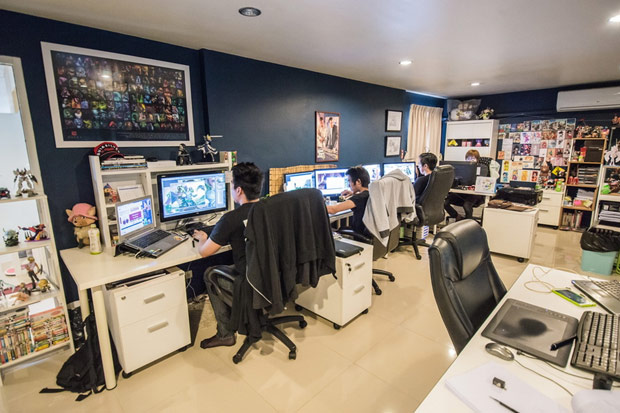
Esports Evolution and Competitive Integrit
Esports has become a central pillar of Singapore’s gaming economy. Tournament organizers increasingly integrate predictive analytics to enhance competitive balance and viewer engagement.
AI gaming development supports sophisticated matchmaking algorithms that minimize skill disparity. Fraud detection engines monitor suspicious behavior patterns to preserve competitive integrity.
Broadcast platforms employ automated highlight generation tools that analyze gameplay footage in real time. This innovation streamlines content production and expands monetization opportunities through targeted advertising.
Industry stakeholders note that intelligent analytics also improve sponsorship measurement. Brands receive detailed insights into audience engagement, geographic reach, and demographic alignment.
Economic Impact and Regional Influence
Asia accounts for a substantial share of global gaming revenue. Singapore’s leadership in AI gaming development has amplified its influence across Southeast Asia, encouraging cross border collaboration and knowledge exchange.
The sector’s expansion has generated employment opportunities across software engineering, data analytics, cybersecurity, and creative media design. Universities have responded by launching specialized programs focused on machine learning integration within entertainment platforms.
Investors consider intelligent gaming technologies a high growth asset class. Venture capital inflows have supported both early stage startups and established studios seeking to scale operations.
Regional governments are studying Singapore’s model as they develop digital transformation strategies. The combination of infrastructure readiness and regulatory clarity has strengthened investor confidence.
Data Governance and Ethical Oversight
The integration of machine learning into interactive media raises privacy and transparency considerations. Regulatory bodies in Singapore emphasize responsible data practices, requiring companies to implement encryption standards and consumer disclosure frameworks.
AI gaming development relies heavily on behavioral data to optimize performance. Safeguards ensure that information is anonymized and securely stored.
Ethical review boards assess algorithm fairness, particularly within competitive environments where automated decisions can influence match outcomes. Policymakers aim to balance innovation with accountability.
Cybersecurity remains critical. Advanced monitoring systems detect bot networks, account breaches, and transactional anomalies within milliseconds.
Global Competitive Landscape
International technology companies are racing to integrate intelligent systems into their gaming ecosystems. AI gaming development has become a strategic differentiator as firms pursue scalable digital entertainment models.
Singapore’s geographic location and regulatory stability offer unique advantages. Multinational corporations use the city as a regional headquarters for research and distribution operations.
Collaborative research initiatives between universities and industry partners accelerate experimentation. These partnerships foster knowledge transfer and cross sector innovation.
Analysts predict that competition will intensify as new entrants explore cloud streaming and immersive virtual platforms powered by advanced algorithms.

Historic Comparison
The current transformation invites comparison with earlier technological revolutions in gaming history. During the late 1990s and early 2000s, broadband internet connectivity reshaped multiplayer experiences, enabling online competition on an unprecedented scale.
Similarly, the introduction of mobile app ecosystems in the 2010s democratized distribution and expanded global audiences. Today, AI gaming development represents another inflection point, redefining how interactive worlds are constructed and maintained.
Unlike previous hardware driven shifts, this evolution centers on intelligent software capable of learning and adapting. Observers argue that the long term impact may surpass prior innovations because it reshapes both production processes and user engagement simultaneously.
Emerging Technologies and Future Integration
Developers are experimenting with emotion recognition engines capable of responding to player vocal tone. Augmented reality overlays blend physical surroundings with digital elements, creating hybrid interactive environments.
AI gaming development is also influencing voice synthesis and natural language interaction. Non player characters can engage in fluid conversations, adapting dialogue to contextual cues.
Cloud streaming services leverage predictive modeling to optimize bandwidth allocation, ensuring stable performance during peak demand. Wearable devices may soon integrate intelligent systems that adjust gameplay based on biometric feedback.
Industry forecasts indicate sustained growth through the end of the decade. Continued infrastructure expansion will be essential to support increasingly complex models.
Corporate Vision and Industry Perspective
Corporate executives emphasize collaboration between research divisions and commercial studios. One senior industry executive stated, “Artificial intelligence is not an optional feature in modern gaming but the foundation on which future interactive experiences will be built.”
This perspective reflects growing consensus that AI gaming development underpins long term competitiveness. Companies unable to integrate adaptive systems may struggle to retain market share.
Strategic alliances between cloud providers, hardware manufacturers, and content creators continue to reshape the industry landscape.
Market Outlook Beyond 2026
Financial analysts project double digit annual growth in intelligent gaming technologies. Subscription services, microtransaction models, and advertising ecosystems are expected to evolve alongside technological advancements.
AI gaming development will likely expand into educational simulations and enterprise training applications, broadening revenue streams beyond entertainment.
Singapore’s emphasis on research collaboration and workforce training suggests sustained regional leadership. Continued policy support and infrastructure investment will determine the pace of expansion.

Intelligent Worlds and the Future of Play
The rapidexpansion observed in Singapore illustrates a broader global transformation. AI gaming development represents a structural shift in digital entertainment rather than a temporary trend.
From adaptive storytelling to predictive analytics, intelligent systems are reshaping how players interact with virtual worlds. As computing capabilities expand and consumer expectations rise, the fusion of machine learning and creative design will define the next era of interactive media.
Industry observers conclude that AI gaming development may become as integral to gaming as graphics engines and online connectivity once were, marking a new chapter in the evolution of digital play.
