

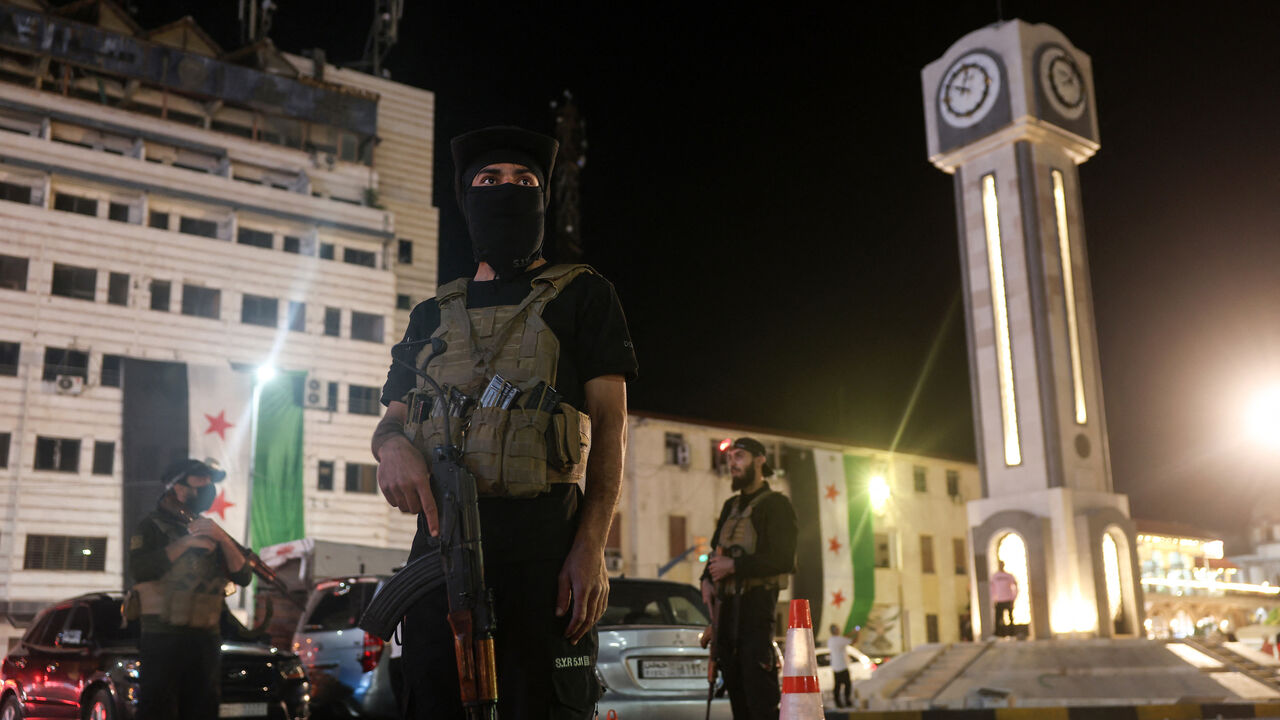
Al Shaddadi, northeastern Syria — January, 2026. Parliament News notes that Syrian authorities have introduced strict nighttime movement restrictions across the strategic town following intelligence warnings linked to extremist detention facilities, formally activating the al Shaddadi curfew Syria as security patrols, checkpoints, and surveillance measures expand across residential and transit areas.
Local announcements informed residents that movement would be prohibited during designated evening hours, with limited exemptions granted for medical emergencies and humanitarian operations. Security forces were deployed at key intersections and town entrances, while mobile patrols began operating within neighborhoods.
Geographic Importance of Al Shaddadi
Al Shaddadi has long held strategic importance due to its location near oil infrastructure, supply corridors, and detention facilities associated with extremist suspects. Control over the town has shifted multiple times during Syria’s prolonged conflict, making it a recurring focal point for security planning.
Officials describe the al Shaddadi curfew Syria as a preventative step designed to eliminate vulnerabilities that could be exploited during nighttime hours, when attacks and covert movement are historically more difficult to detect.
Detention Site Shapes Security Calculations
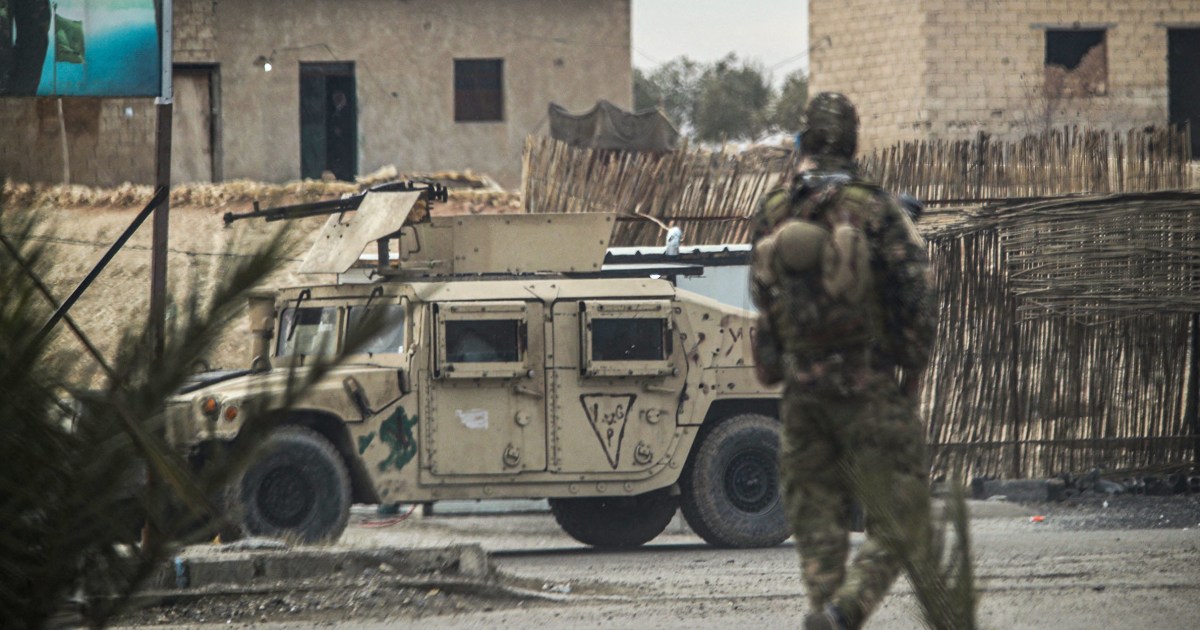
Security concerns intensified after warnings linked to a detention facility holding suspected members of Islamic State. Such facilities have previously been targeted by coordinated assaults aimed at freeing detainees or destabilizing surrounding areas.
Authorities believe restricting movement under the al Shaddadi curfew Syria limits reconnaissance efforts, logistical coordination, and the transfer of weapons or personnel by hostile cells.
Military Presence Expanded Across the Town
Armored vehicles, rapid-response units, and foot patrols have been deployed across key commercial districts, transport hubs, and residential neighborhoods. Surveillance cameras and observation posts have also been reinforced near government buildings and sensitive infrastructure.
Officials say the al Shaddadi curfew Syria is enforced through layered deterrence, combining visible patrols with intelligence-driven monitoring rather than broad punitive sweeps.
Impact on Civilian Daily Life
For residents, the restrictions have reshaped daily routines. Shops close earlier in the evening, family visits are planned during daylight hours, and public transport schedules have been adjusted to comply with new rules.
Some residents say the al Shaddadi curfew Syria has reduced theft and nighttime disturbances, while others worry that prolonged enforcement could strain household incomes and disrupt social life.
Community Outreach and Local Messaging
Tribal elders, municipal leaders, and religious figures have been engaged to help communicate curfew guidelines and reduce public anxiety. Meetings were held to explain enforcement procedures and outline channels for reporting emergencies.
Observers note that sustained dialogue will be essential if the al Shaddadi curfew Syria remains in place beyond the initial assessment period, as public cooperation is critical to maintaining stability.
Security Strategy Beyond Al Shaddadi
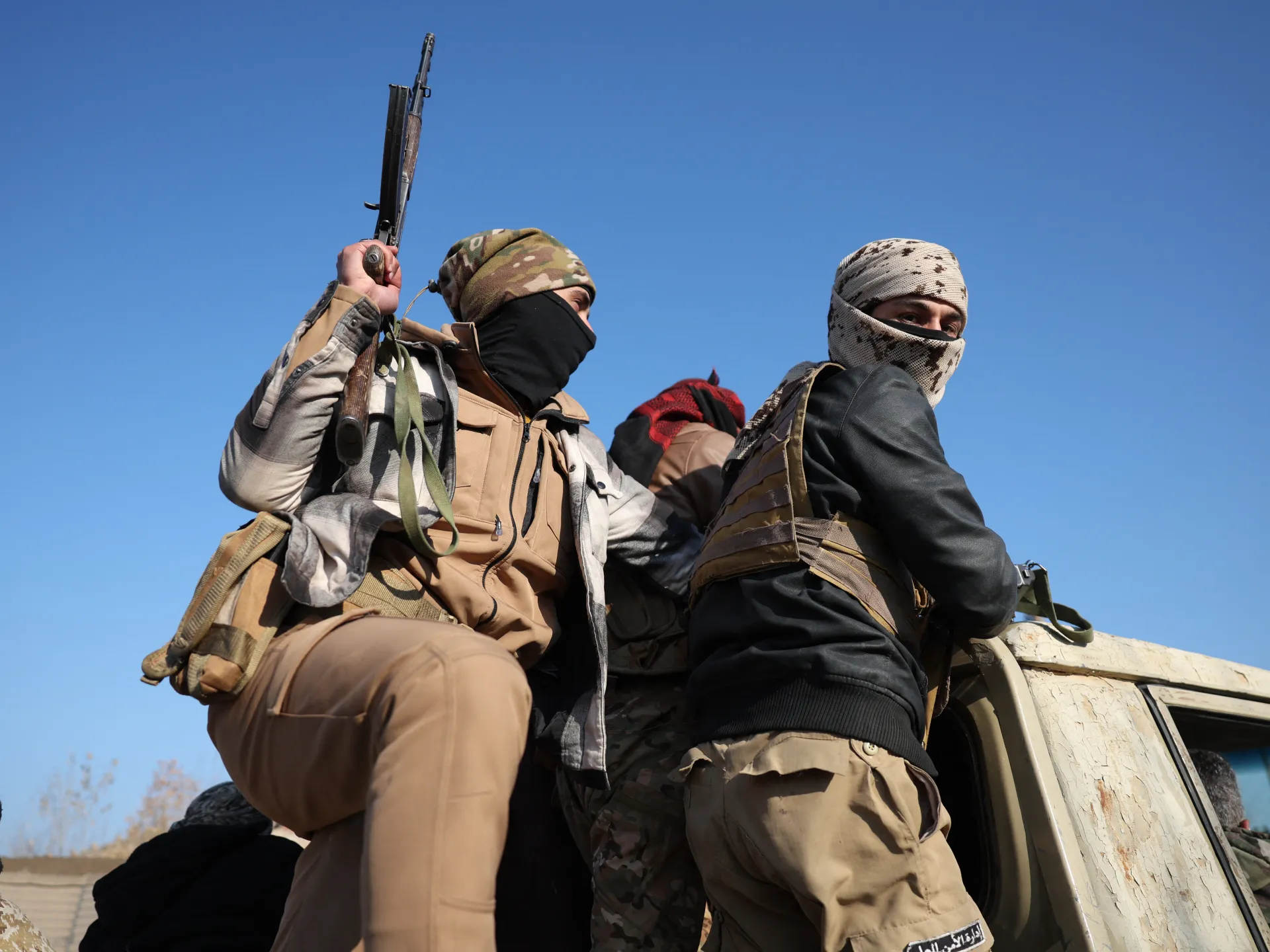
The curfew aligns with a broader security strategy aimed at stabilizing northeastern Syria following shifts in territorial control. Intelligence officials warn that extremist sleeper cells remain active despite previous territorial defeats.
Analysts view the al Shaddadi curfew Syria as part of a wider containment framework combining movement control, intelligence sharing, and rapid intervention to prevent coordinated attacks.
Humanitarian Operations Under New Conditions
Aid organizations operating in the region report that humanitarian access continues, though delivery schedules have been modified to comply with restrictions. Medical facilities remain operational, with emergency exemptions granted when required.
Humanitarian officials caution that extended enforcement of the al Shaddadi curfew Syria could complicate logistics if coordination mechanisms are not clearly defined and consistently applied.
Economic Effects on Trade and Transport
Merchants report reduced evening commerce, particularly in sectors dependent on transport and cross-district movement. Fuel and food supplies remain stable, though transport unions warn that additional inspections increase operating costs.
Economists say the al Shaddadi curfew Syria may be manageable in the short term but could place sustained pressure on local livelihoods if extended without mitigation measures.
Regional Monitoring and Broader Implications
Developments in al Shaddadi are being closely monitored by regional actors concerned about cross-border militant movement. Stability in northeastern Syria is seen as critical to preventing wider security spillovers.
Experts suggest the al Shaddadi curfew Syria will be evaluated based on its ability to secure detention facilities while avoiding broader unrest or humanitarian strain.
Legal Oversight and Civil Safeguards
Rights observers have urged proportional enforcement and transparency, emphasizing the importance of civilian protections. Past security measures in Syria have drawn international scrutiny, making oversight a sensitive issue.
Authorities insist the al Shaddadi curfew Syria operates within national law and is limited to security objectives rather than civilian suppression.
Duration and Review Process
Military officials say the curfew will be reviewed regularly based on evolving threat assessments. No specific timeline has been announced for lifting restrictions, though authorities stress the measure is temporary.
One regional security analyst said,
“Curfews around detention facilities are commonly used to disrupt militant planning cycles and deny freedom of movement during periods of elevated risk.”
Historical Context of Security Measures
Al Shaddadi has previously experienced heightened security measures during periods of increased militant activity. Past operations varied in scope and duration, with mixed results depending on local cooperation and regional conditions.
Analysts say lessons from earlier campaigns have influenced the current approach, emphasizing targeted enforcement and community engagement rather than sweeping restrictions.
Balancing Stability and Normal Life
For many residents, the challenge lies in balancing safety with normal daily activities. Families continue to adapt routines, while businesses adjust operating hours in response to restrictions.
Local leaders stress that maintaining trust between residents and authorities will be essential to ensuring the curfew contributes to long-term stability rather than resentment.
Implications for Future Security Policy
Security experts say the outcome in al Shaddadi could influence how similar measures are applied in other towns near sensitive facilities. A successful containment effort may serve as a model for targeted enforcement elsewhere.
Conversely, prolonged disruption without clear results could prompt calls for revised strategies and greater emphasis on economic recovery.
A Defining Moment for Al Shaddadi
As the town navigates another tense phase in Syria’s prolonged conflict, the balance between security and daily life remains fragile. Residents, authorities, and observers alike are watching closely for signs of improvement or escalation.
Whether the al Shaddadi curfew Syria ultimately reinforces stability or deepens strain will shape security planning in northeastern Syria well beyond 2026.