Gaza, Palestine, March 29, 2026 (Parliament Politics Magazine) Gaza humanitarian emergency conditions are intensifying as ongoing US-Israeli military actions targeting Iran continue to reshape the Middle East. While global attention focuses on rising tensions with Iran, the humanitarian crisis inside Gaza has reached a critical stage, with civilians facing worsening shortages and instability.
Aid agencies warn that the Gaza humanitarian emergency is becoming more severe due to restricted access, damaged infrastructure, and increased regional uncertainty. The situation on the ground reflects the broader impact of escalating geopolitical conflict.
Regional Escalation Amplifies Gaza Crisis
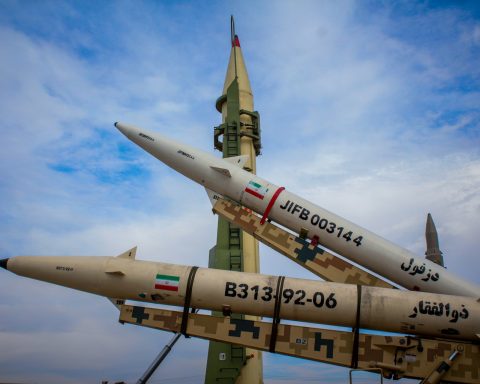
The Gaza humanitarian emergency is closely tied to broader regional developments. As US-Israeli attacks on Iran continue, tensions across the Middle East have escalated, affecting security conditions in Gaza.
Analysts say that multi-front instability increases pressure on already vulnerable areas. Military readiness across the region has risen, contributing to uncertainty and risk.
A regional expert explained:
“When conflict spreads, humanitarian crises deepen. Gaza is experiencing the consequences of a much wider escalation.”
Aid Shortages and Limited Access
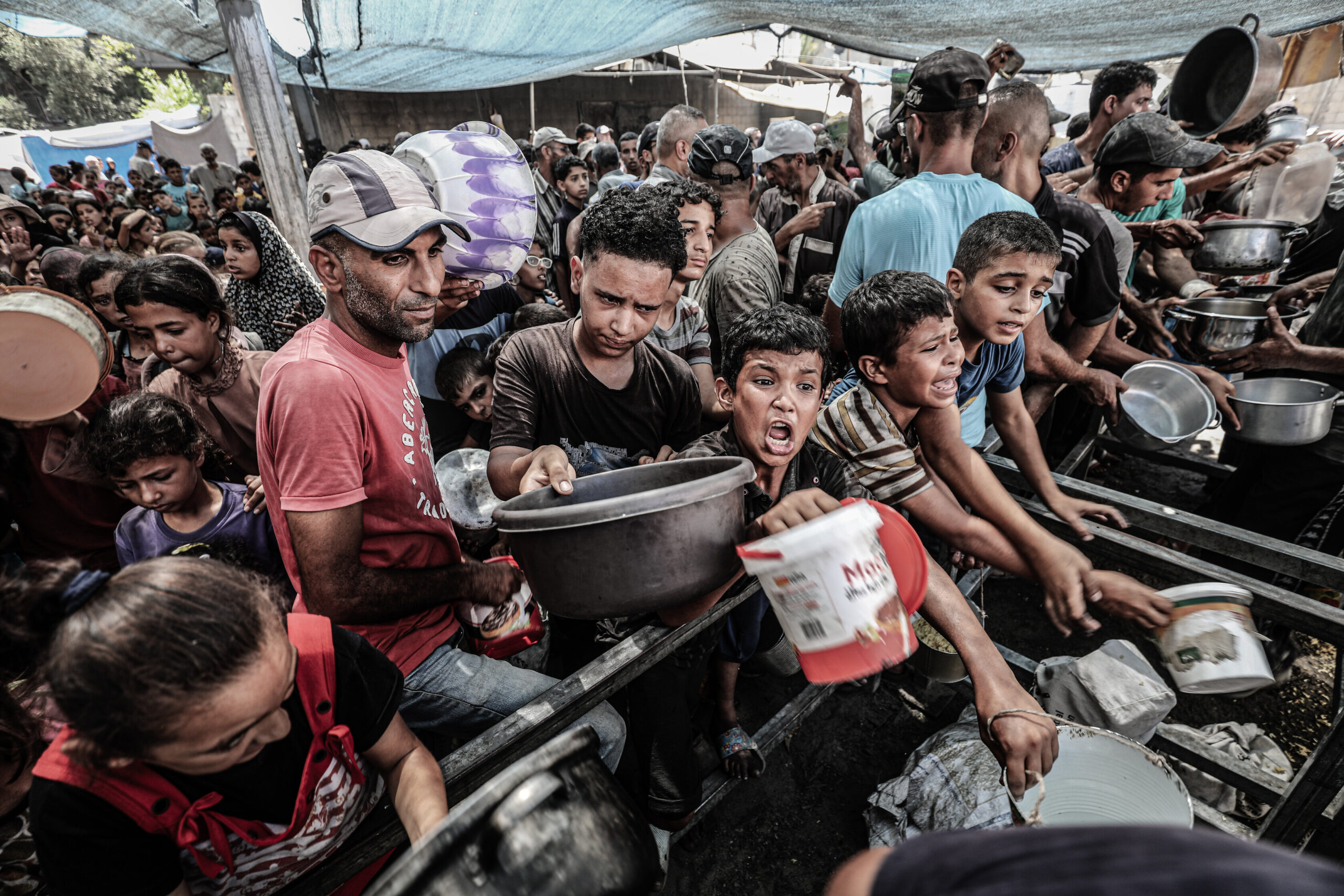
The Gaza humanitarian emergency is marked by growing shortages of food, medicine, and essential supplies. Aid organizations report difficulties in delivering assistance due to logistical challenges and restricted access routes.
Distribution networks are under strain, and delays in aid delivery are impacting thousands of families. Relief workers continue to call for immediate humanitarian corridors to ensure safe and consistent access.
The situation has triggered renewed appeals for international support.
Healthcare System Under Pressure
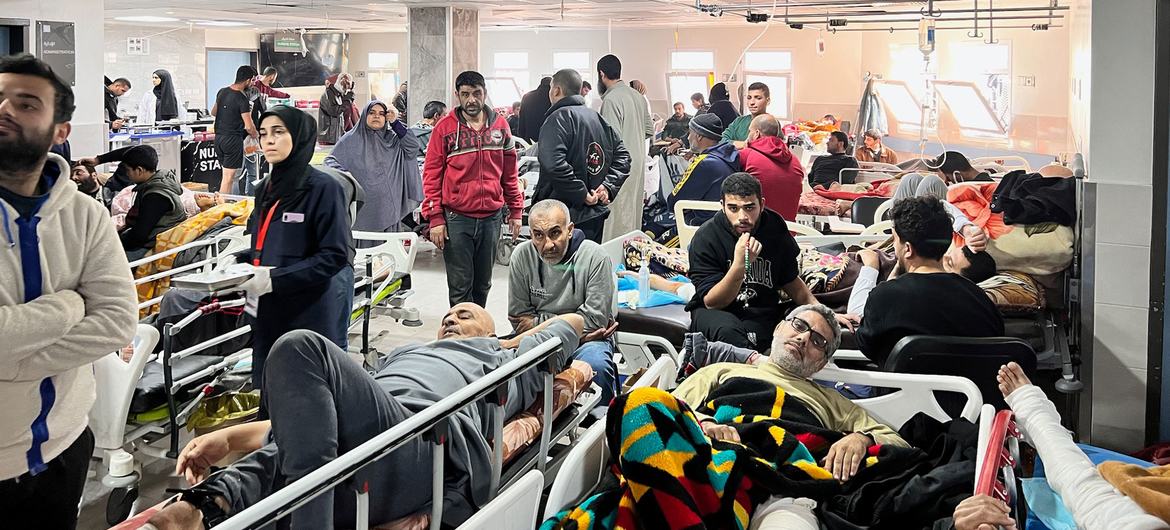
Hospitals and medical facilities are struggling to cope with the demands of the Gaza humanitarian emergency. Limited resources, overcrowding, and ongoing disruptions have created a challenging environment for healthcare providers.
Medical staff are working under intense conditions, often with insufficient supplies. The growing number of patients has further strained the system.
A healthcare worker stated:
“We are doing everything we can, but the needs are overwhelming. The system is under constant pressure.”
Infrastructure Collapse Risks Long-Term Impact
The Gaza humanitarian emergency is also affecting critical infrastructure. Power shortages, damaged water systems, and disrupted transportation networks are making daily life increasingly difficult.
Experts warn that prolonged damage to infrastructure could have lasting consequences, delaying recovery efforts and increasing vulnerability.
The ability to maintain essential services remains a key concern.
Civilians Face Growing Hardship
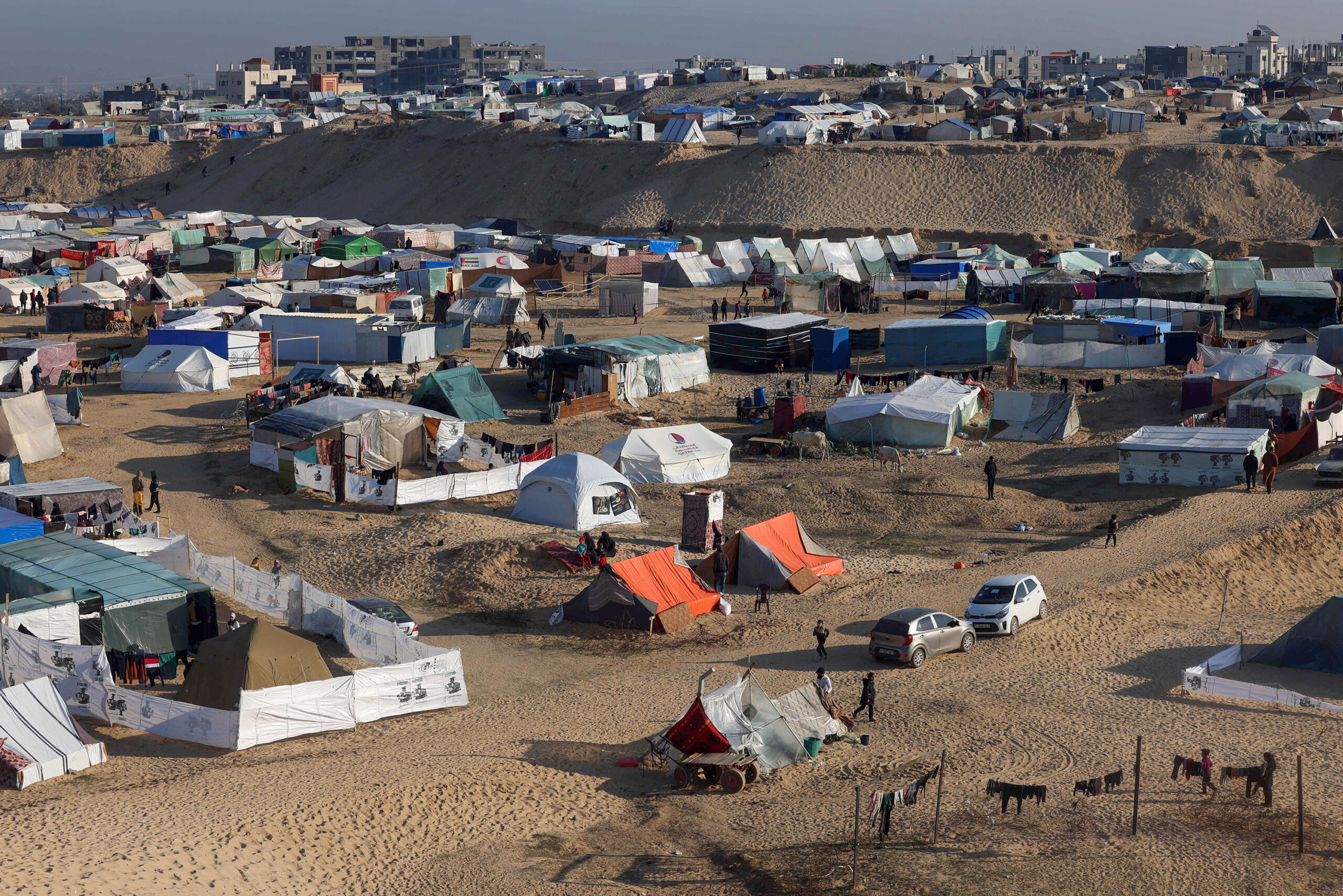
At the center of the Gaza humanitarian emergency are civilians who continue to face daily challenges. Displacement, food insecurity, and limited access to basic services are affecting communities across the region.
Families are adapting to rapidly changing conditions, often with minimal support. The psychological toll of prolonged conflict is also becoming more apparent.
One aid worker noted:
“The human cost of this crisis is immense. Every day, more families are pushed to the brink.”
International Response and Diplomatic Efforts
The Gaza humanitarian emergency has prompted global concern, with international organizations calling for de-escalation and increased humanitarian support.
Diplomatic efforts are ongoing, but progress remains uncertain due to the complexity of the situation. Multiple actors and interests continue to shape the outcome.
Aid agencies emphasize the need for coordinated international action to address urgent needs.
Challenges in Reporting the Crisis
Covering the Gaza humanitarian emergency presents significant challenges for journalists. Restricted access, safety risks, and rapidly changing conditions make it difficult to gather accurate information.
Despite these obstacles, media coverage remains essential in highlighting the crisis and informing the global community.
Journalists play a critical role in documenting events and ensuring transparency.
Historical Context of Ongoing Instability
The Gaza humanitarian emergency is part of a long-standing pattern of conflict in the region. Historical tensions, political complexities, and recurring escalations have contributed to the current situation.
Understanding this context is essential for assessing the present crisis and potential future developments.
Experts stress that long-term solutions require addressing underlying causes.
What Comes Next for Gaza?
The Gaza humanitarian emergency shows no immediate signs of easing. The trajectory of the broader conflict involving Iran is likely to influence future developments.
International efforts may focus on stabilizing the situation and ensuring humanitarian access. However, uncertainty remains high.
Observers warn that without intervention, conditions could worsen further.
Key Developments in Gaza Humanitarian Emergency
The Gaza humanitarian emergency continues to evolve amid regional conflict escalation.
- Aid shortages and limited access are worsening conditions
- Healthcare systems are under severe strain
- Infrastructure damage is increasing long-term risks
- Civilians face displacement and growing hardship
- International calls for action are intensifying
“This is not just a crisis—it is a humanitarian emergency that demands immediate attention,”
an analyst stated.