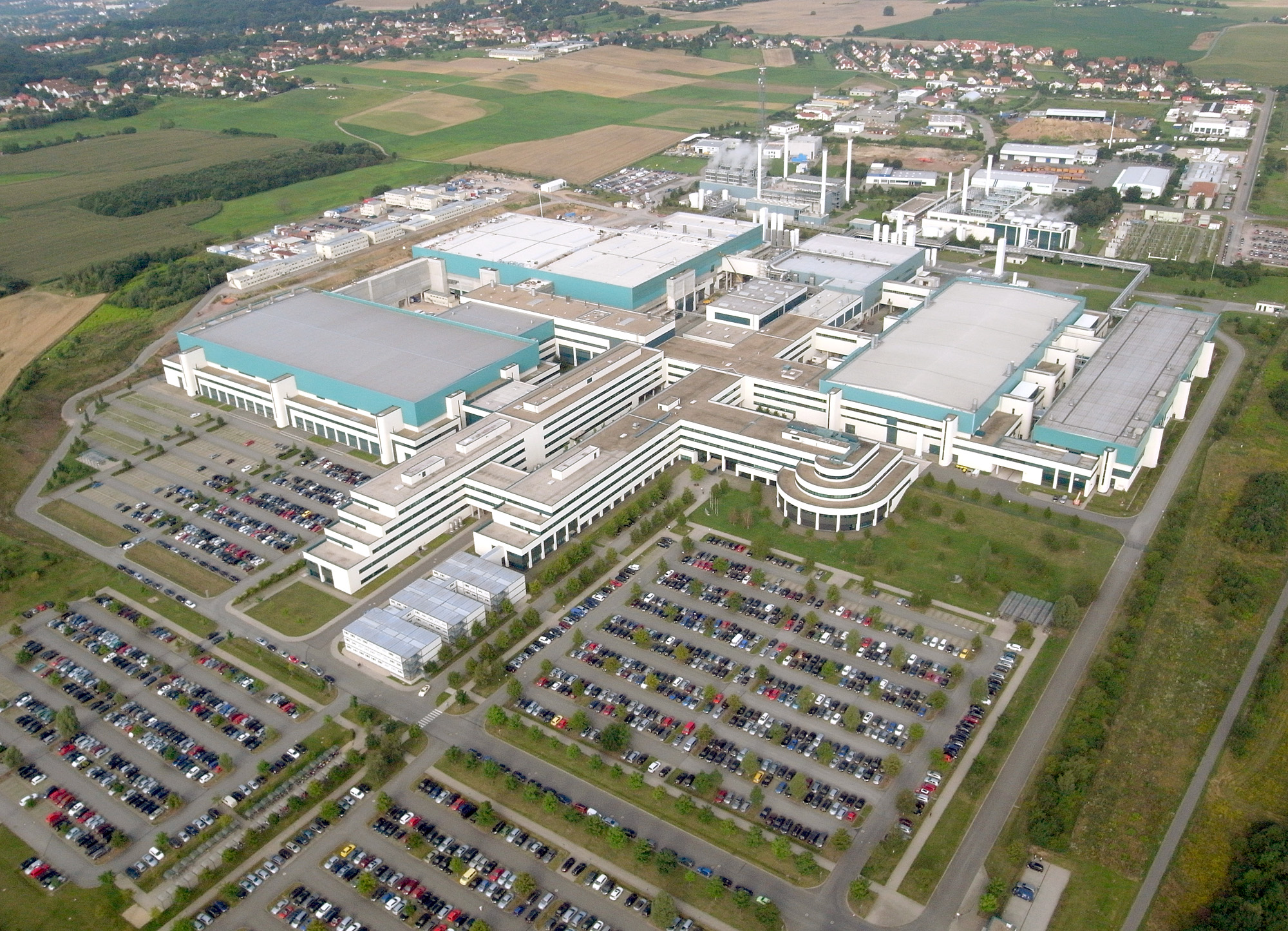
South Korea chip manufacturing accelerates in 2026 as Seoul advances large scale semiconductor expansion.
Major investments strengthen memory production, supply chain resilience, and global technology leadership.
Industry analysts say the growth signals long term confidence in AI driven chip demand.
Seoul, February 25, 2026 — According to Parliament News, that South Korea chip manufacturing is entering a defining year as the nation reinforces its leadership in the global semiconductor industry. New capital commitments, infrastructure upgrades, and technological innovation are reshaping the production landscape. Industry analysts describe 2026 as a pivotal moment for South Korea chip manufacturing, with expanding fabrication capacity and stronger integration into global supply chains.
As demand for advanced memory and logic chips rises worldwide, South Korea chip manufacturing remains central to meeting the needs of artificial intelligence systems, cloud computing platforms, and next generation electronics.
Expansion of Production Capacity
Investment in new semiconductor fabrication plants is accelerating across industrial hubs such as Icheon and Yongin. South Korea chip manufacturing companies are constructing facilities equipped with advanced lithography systems and automated production lines capable of producing smaller, faster, and more energy efficient chips.
The expansion reflects sustained global demand for high bandwidth memory and next generation DRAM solutions. South Korea chip manufacturing plays a leading role in supplying these technologies to global data centers and electronics manufacturers.
Production upgrades are designed not only to increase volume but also to enhance precision and yield rates. As fabrication processes become more complex, integration between research teams and plant operations is essential.
Economic Significance
Semiconductors represent one of South Korea’s most valuable export sectors. South Korea chip manufacturing contributes significantly to gross domestic product, supports thousands of skilled jobs, and generates foreign exchange earnings.
Government policy continues to align with industry goals, offering tax incentives and infrastructure support to ensure sustained competitiveness. The strategic importance of South Korea chip manufacturing extends beyond economics, influencing national security and technological sovereignty.
By strengthening domestic capacity, the country reinforces its resilience against global supply chain disruptions.
Innovation Driving Competitive Advantage
Research and development remain at the heart of South Korea chip manufacturing. Companies are investing heavily in next generation process nodes and memory architectures designed to handle the intense data demands of AI applications.
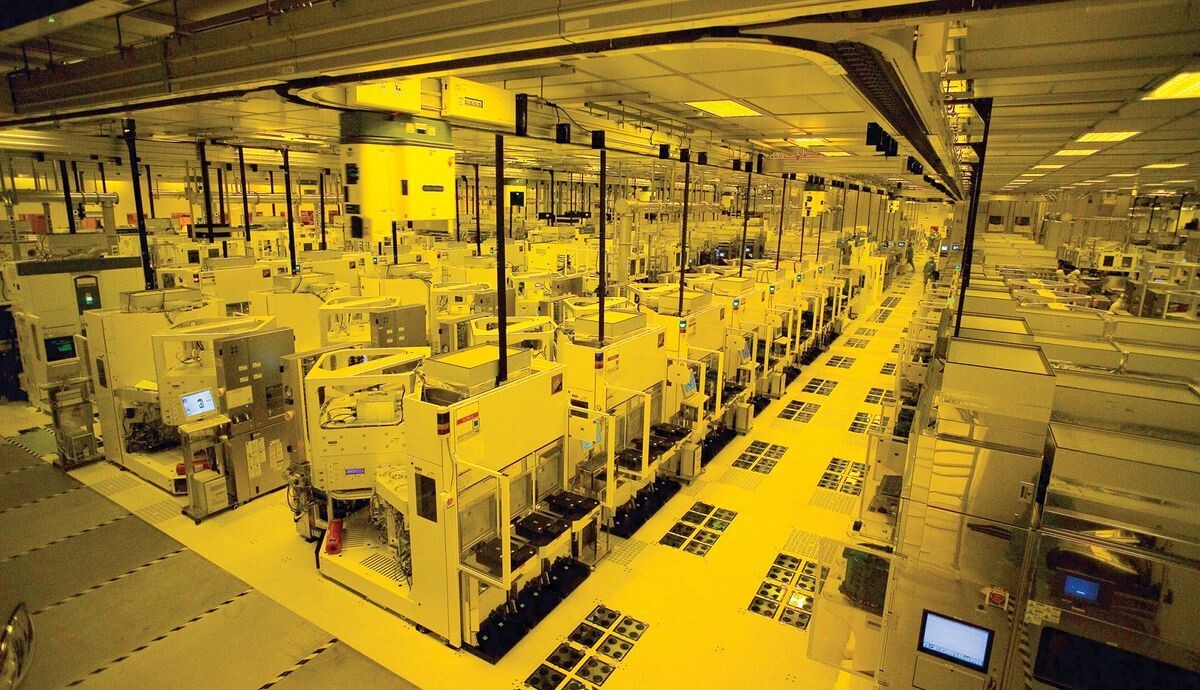
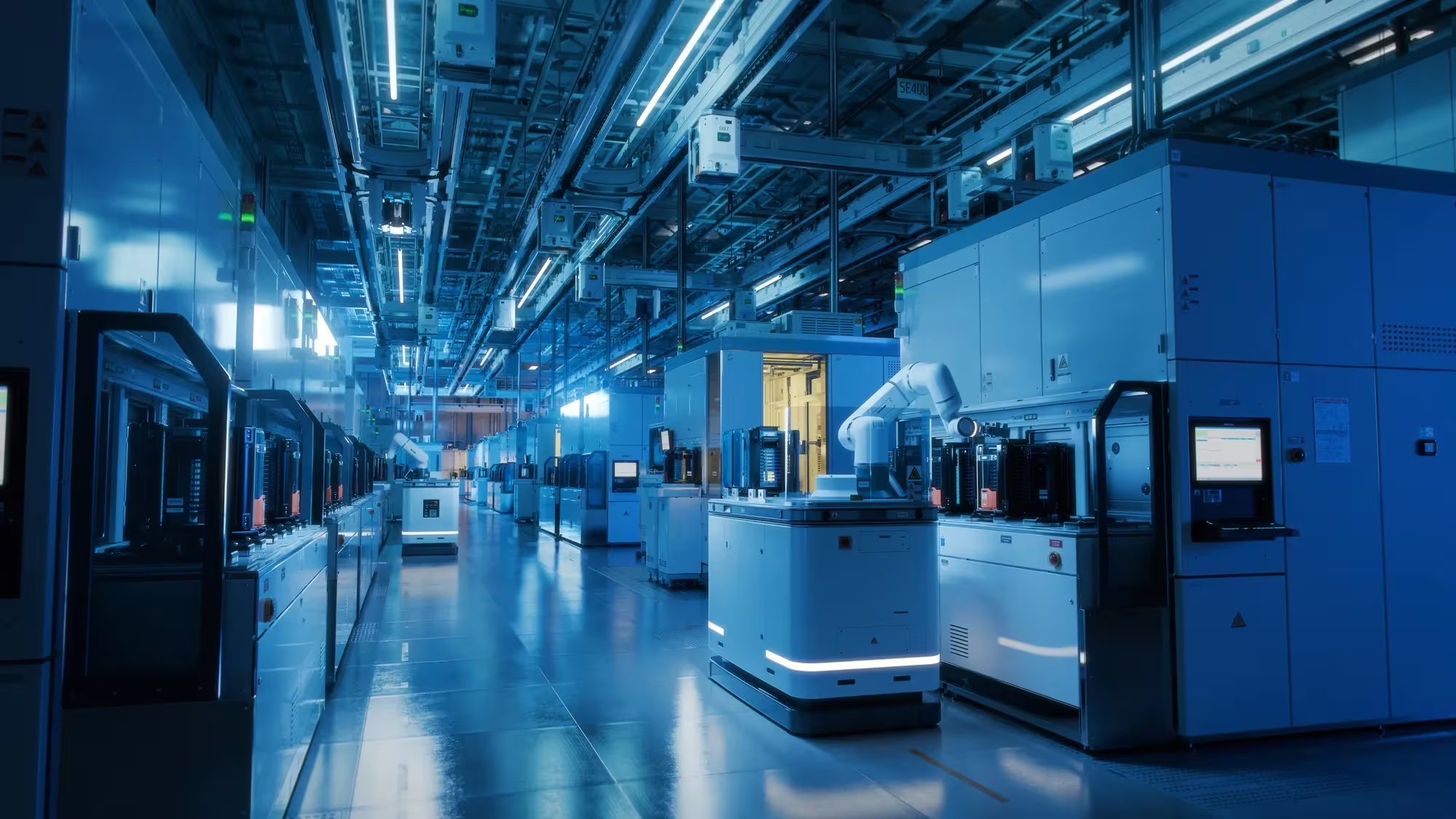
Advanced cleanroom facilities incorporate robotics, machine learning driven quality control, and ultra precise fabrication equipment. South Korea chip manufacturing thrives on its ability to transition rapidly from design innovation to mass production.
This commitment to innovation ensures continued leadership in the global semiconductor market.
Global Market Dynamics
The semiconductor industry is cyclical yet structurally expanding. Growth in artificial intelligence infrastructure, automotive electronics, and high performance computing sustains demand for advanced chips. South Korea chip manufacturing remains deeply embedded in this ecosystem.
International partnerships and export relationships strengthen the global footprint of domestic producers. South Korea chip manufacturing benefits from long standing alliances with major technology firms worldwide.
Competitive pressures from other semiconductor producing nations continue to drive efficiency and innovation.
Workforce Development and Talent
A highly skilled workforce supports the complex processes involved in semiconductor fabrication. Universities collaborate with industry to provide specialized training programs tailored to evolving technological requirements.
South Korea chip manufacturing depends on engineers, materials scientists, and technicians capable of managing cutting edge equipment and ensuring strict quality standards.
Talent cultivation remains a national priority to sustain long term growth and innovation.
Supply Chain Resilience
Recent global disruptions highlighted vulnerabilities in semiconductor supply chains. South Korea chip manufacturing companies have responded by diversifying production facilities and investing in redundant capacity.
Enhanced logistics networks and domestic supplier partnerships strengthen operational stability. South Korea chip manufacturing continues to emphasize resilience as a core strategic objective.
By expanding fabrication capabilities, firms aim to reduce exposure to external shocks and maintain consistent delivery schedules.
Environmental Sustainability
Modern semiconductor facilities consume significant energy and water resources. Sustainability initiatives have become integral to new plant designs.
South Korea chip manufacturing firms are integrating advanced recycling systems, renewable energy sourcing, and emission reduction strategies. Environmental responsibility aligns with efficiency goals, lowering operational costs while meeting regulatory expectations.
Sustainable growth ensures long term viability in an increasingly environmentally conscious global market.
Industry Perspective
A senior executive in the semiconductor sector stated,
“Our investments this year demonstrate confidence that South Korea will remain a cornerstone of global semiconductor innovation for decades to come.”
This sentiment reflects widespread optimism about the future of South Korea chip manufacturing and its continued contribution to technological advancement.
Historic Comparison
The rise of South Korea chip manufacturing in 2026 invites comparison with earlier industrial transformations. During the late twentieth century, the nation shifted from labor intensive manufacturing toward high technology exports. Strategic government support and private sector ambition propelled semiconductor production into a global leadership position.
Similar inflection points occurred in other economies, such as Japan’s electronics boom in the 1980s and Taiwan’s foundry expansion in the 1990s. Each instance demonstrated how sustained investment and technological focus could reshape global supply chains.
Today’s momentum echoes those historic developments. The scale of capital deployment, the sophistication of process technologies, and the integration of research and manufacturing suggest that South Korea chip manufacturing stands at another transformative juncture.
Policy Framework and Regulatory Support
Legislative measures introduced in recent years streamline permitting processes and expand industrial zones dedicated to semiconductor fabrication. Public investment in infrastructure complements private capital expenditure.
South Korea chip manufacturing benefits from coordinated policy initiatives that emphasize innovation, export competitiveness, and supply chain security.
This alignment between government and industry strengthens the nation’s strategic position.
Investment and Financial Outlook
Investors monitor semiconductor developments closely due to their macroeconomic significance. Capital expenditures signal expectations of sustained demand growth. South Korea chip manufacturing expansions indicate confidence in long term digital transformation trends.
While market cycles may fluctuate, structural drivers such as AI adoption and data center growth continue to support revenue expansion.
The financial outlook remains closely tied to global technology consumption patterns.
Technological Sovereignty
Beyond commercial success, semiconductor capacity represents technological sovereignty. Nations with strong chip manufacturing bases maintain greater control over digital infrastructure and strategic industries.
South Korea chip manufacturing contributes to national resilience by reducing reliance on external supply sources.
The industry’s growth enhances the country’s influence within the global technology ecosystem.
Long Term Outlook
As 2026 progresses, South Korea chip manufacturing appears poised for sustained expansion. Continued facility construction, research initiatives, and workforce development programs reinforce long term competitiveness.
Global demand for high performance memory and logic chips shows no sign of slowing. By investing proactively, South Korea chip manufacturing ensures readiness for the next wave of technological evolution.
The coming years will test the industry’s ability to adapt to rapid innovation cycles, environmental expectations, and geopolitical shifts. Yet current momentum suggests strong foundations.

Beyond Silicon Horizons
South Korea chip manufacturing is more than an industrial achievement. It symbolizes a national commitment to innovation, resilience, and global engagement. In a world defined by digital connectivity and artificial intelligence, semiconductors power the infrastructure of modern life.
By reinforcing production capacity and sustaining research excellence, the country positions itself at the center of technological transformation. The trajectory set in 2026 may well define the next era of economic progress, ensuring that South Korea chip manufacturing remains a vital force shaping the digital future.