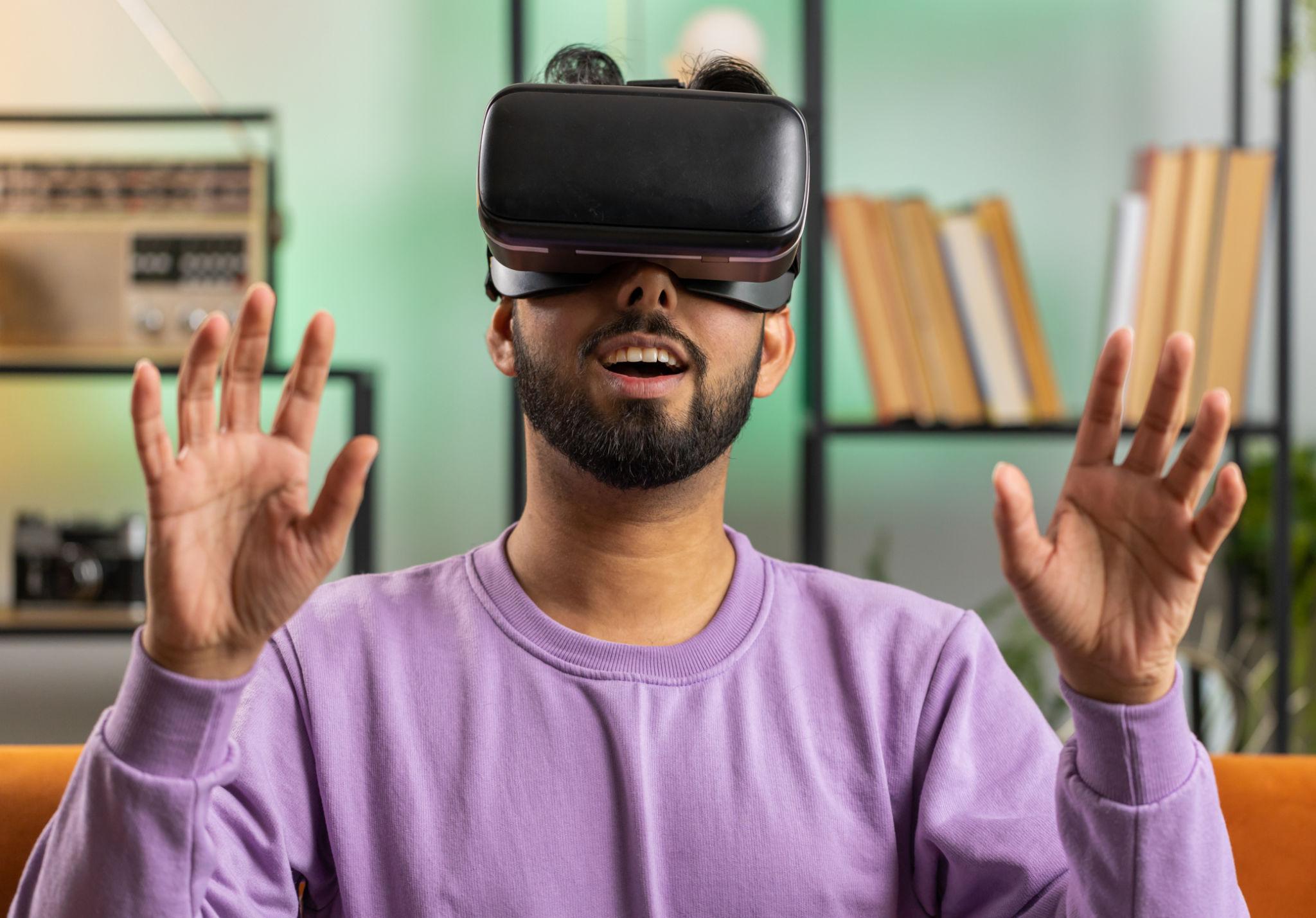
Menlo Park, California, April 16, 2026 (Parliament Politics Magazine) Tech hardware price surge is reshaping the consumer electronics landscape as Meta confirms it will raise prices on its Quest VR headsets in the United States. The decision reflects mounting pressure from rising component costs, signaling a broader shift across the global technology industry.
The price adjustment highlights how inflation, supply chain disruptions, and geopolitical tensions are converging to impact everyday consumer products.
Rising Component Costs Behind Price Increase
The tech hardware price surge is largely driven by escalating costs for essential components such as semiconductors, display panels, and advanced sensors. These parts are critical for devices like VR headsets, where precision and performance are key.
Industry experts note that supply chain challenges have not fully stabilized, with manufacturing and logistics costs remaining elevated. As a result, companies like Meta are being forced to pass some of these expenses on to consumers.
A technology analyst explained:
“The tech hardware price surge is affecting nearly every segment of electronics. VR devices are particularly vulnerable due to their reliance on specialized components.”
This trend suggests that the current pricing shift may not be temporary.
Consumer Impact and Market Reaction
The tech hardware price surge is expected to influence purchasing behavior, especially among consumers who are sensitive to price changes. Higher costs could slow the adoption of VR technology, particularly among new users.
While demand for immersive experiences remains strong, the increase in price may cause some buyers to delay or reconsider their purchases. Existing users and enthusiasts, however, are likely to continue investing in the technology.
Market analysts are closely watching how consumers respond, as sustained demand could offset the impact of higher prices.
Competitive Pressure in the VR Industry
The tech hardware price surge may create opportunities for competitors in the virtual reality space. Companies offering lower-priced alternatives could attract cost-conscious consumers, potentially shifting market share.
At the same time, Meta’s strong ecosystem, including software and content, provides a competitive advantage that may help mitigate the impact of higher prices.
A VR industry expert noted:
“Price increases can influence short-term demand, but long-term success depends on the overall user experience and ecosystem strength.”
Broader Technology Sector Trends
The tech hardware price surge is not limited to VR headsets. Across the industry, manufacturers are grappling with higher costs for materials, labor, and transportation.
From smartphones to gaming consoles, many devices are experiencing similar pricing pressures. Inflation and global uncertainty continue to play a significant role in shaping these trends.
This environment is forcing companies to rethink pricing strategies while maintaining profitability and competitiveness.
Meta’s Long-Term Strategy
Despite the tech hardware price surge, Meta remains committed to expanding its footprint in the virtual reality market. The company continues to invest heavily in innovation, viewing VR as a cornerstone of its long-term vision.
Efforts to develop new technologies and enhance user experiences remain a priority, even as pricing challenges persist.
However, balancing affordability with innovation will be critical to sustaining growth.
Investor and Industry Outlook
The tech hardware price surge has drawn attention from investors, who see it as both a challenge and an opportunity. While higher prices may improve margins, they could also impact sales volume.
Investors will be closely monitoring how companies navigate these conditions and whether demand remains resilient.
The situation reflects a broader shift in the technology sector, where cost management has become increasingly important.
What Comes Next for Consumers
The tech hardware price surge raises important questions about the future of consumer electronics. If component costs remain high, additional price increases may follow across various product categories.
Consumers may need to adjust expectations, while companies explore ways to innovate without significantly increasing costs.
The evolution of the market will depend on how quickly supply chains stabilize and whether economic conditions improve.
Tech Hardware Price Surge: Why VR Headset Prices Are Rising
Tech hardware price surge is pushing Meta to raise Quest VR headset prices in the US, reflecting rising component costs and ongoing supply chain challenges. The move signals broader pressure across the tech industry, with consumers likely to face higher prices in the near term. As demand remains strong, the balance between innovation and affordability will shape the future of the VR market.