Brussels, January 30, 2026 — Parliament News, highlights that Europe is navigating one of its most demanding cold seasons in decades as the winter energy crisis unfolds against a backdrop of prolonged freezing temperatures, rising consumption, and structural vulnerabilities across national power systems. From Northern capitals to industrial heartlands, energy stability has become a central concern shaping policy decisions and public debate during the opening weeks of the year.
Weather data confirms that January temperatures across much of the continent have remained consistently below seasonal averages, placing sustained pressure on heating systems and electricity networks. While winter challenges are not new, the scale and persistence of current conditions have transformed what is usually a seasonal test into a broader economic and political strain.
A Cold Season That Arrived Earlier Than Expected
Meteorological agencies recorded an unusually early onset of winter conditions across large parts of Europe. Snowfall reached southern regions ahead of schedule, while northern areas experienced extended periods of ice and freezing rain.
Energy planners had anticipated a gradual rise in demand. Instead, consumption surged rapidly, compressing supply margins within weeks. Storage facilities were drawn down faster than projected, leaving less flexibility for later in the season.
The winter energy crisis has therefore been shaped not by a single extreme event but by the cumulative effect of sustained cold and continuous demand.
Energy Demand Reaches Seasonal Highs
Residential heating emerged as the primary driver of increased energy use. District heating systems, electricity networks, and gas distribution lines all operated near peak capacity during extended cold spells.
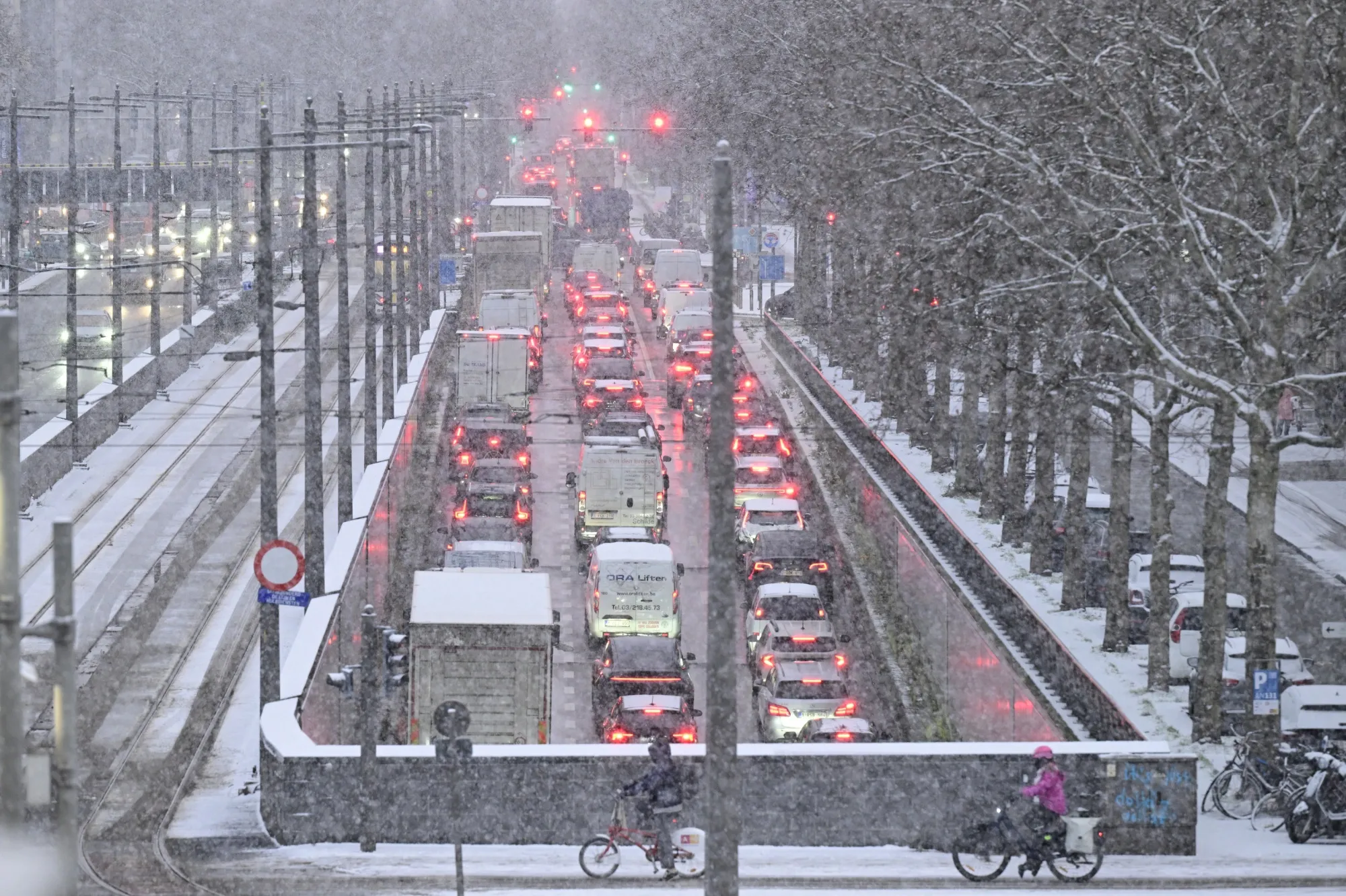
Urban centers faced particular challenges as population density magnified consumption. In rural regions, fuel deliveries slowed due to icy transport routes, increasing reliance on local reserves.
Energy analysts note that the winter energy crisis reflects the delicate balance between demand growth and system adaptability during prolonged cold periods.
Power Infrastructure Under Continuous Strain
Electricity grids across multiple countries reported historically high load levels during evening hours. Transmission operators implemented precautionary measures to protect system stability, including voltage management and cross-border energy transfers.
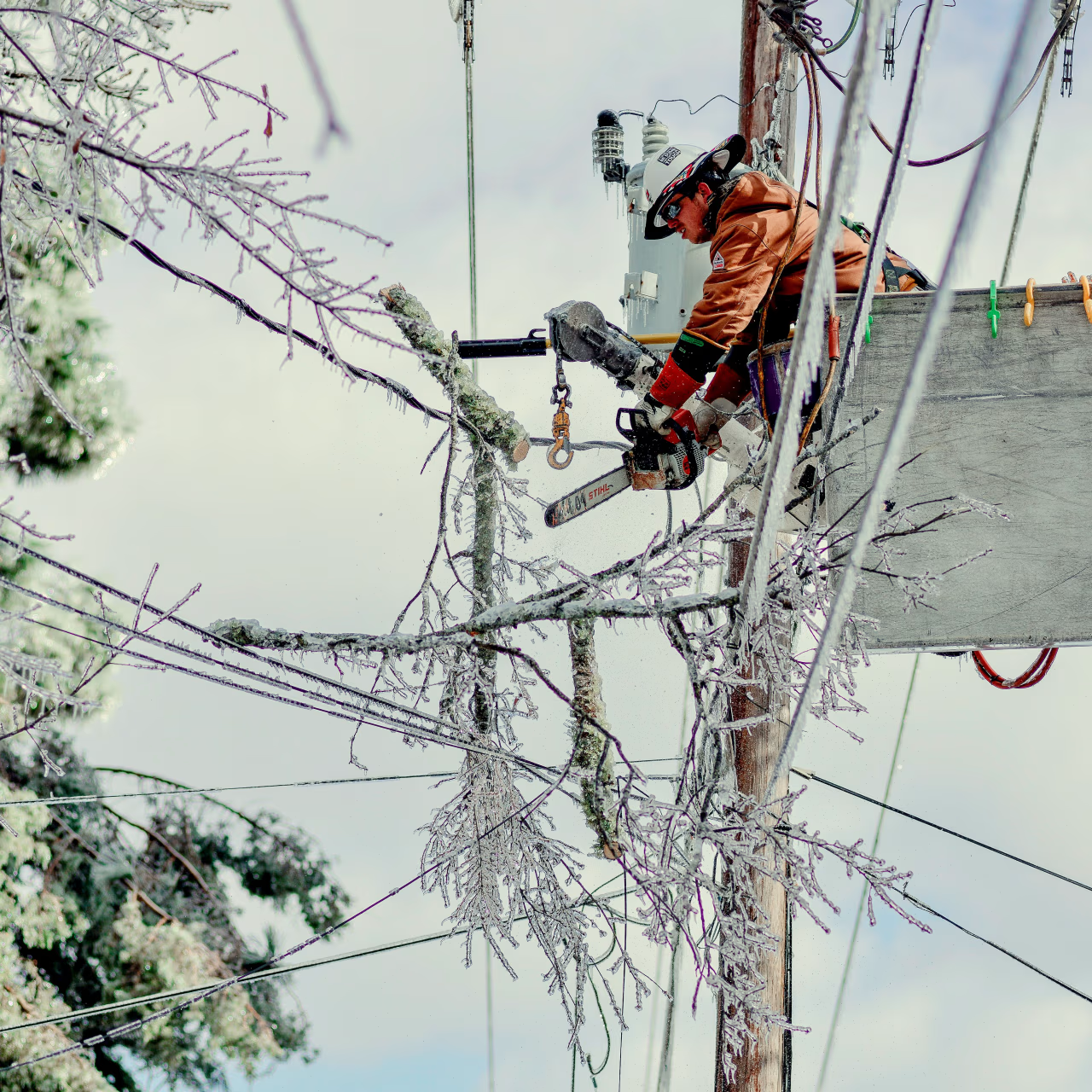
Ice accumulation damaged overhead lines in several regions, while substations required emergency maintenance. Although widespread blackouts were avoided, localized outages affected thousands of households.
The infrastructure stress seen during the winter energy crisis has reinforced calls for accelerated grid modernization and weather-resistant technology.
Renewable Generation Faces Seasonal Limits
Renewable energy sources remained an essential part of Europe’s power mix, but winter conditions reduced their effectiveness at critical moments. Snow-covered solar installations produced less output, while wind generation fluctuated due to icing and safety shutdowns.
Grid operators emphasized that renewable systems performed within expected parameters for winter conditions. However, variability highlighted the need for complementary storage and backup solutions.
The winter energy crisis has renewed discussion around adapting renewable infrastructure for extreme seasonal environments.
Natural Gas Supply and Storage Pressures
Natural gas continues to play a central role in winter heating across Europe. Storage levels entered the season at healthy percentages, yet sustained withdrawals rapidly reduced buffers.
Cold temperatures increased consumption across residential, commercial, and industrial sectors simultaneously. Supply chains remained intact, but logistical strain intensified during peak demand periods.
Market observers describe the winter energy crisis as a reminder that storage strategy must align closely with evolving weather patterns.
Rising Costs for Households
For consumers, the impact has been immediate and visible. Energy bills climbed as consumption increased and wholesale prices responded to tightening supply.
Governments expanded assistance programs to shield vulnerable households, but administrative systems struggled to keep pace with rising demand for support. Fixed-income families and renters were particularly exposed to short-term price fluctuations.
Consumer groups warn that prolonged exposure to high costs could deepen social pressure linked to the winter energy crisis.
Industrial Output Feels the Chill
Energy-intensive industries faced difficult operational decisions as energy prices climbed. Manufacturing plants adjusted production schedules, reduced output, or paused operations during peak pricing windows.
Export-oriented sectors expressed concern about competitiveness as energy costs rose relative to other global markets. Business associations urged policymakers to ensure predictable energy access during critical winter months.
The winter energy crisis has underscored the importance of long-term energy contracts for industrial stability.
Government Measures and Market Intervention
European governments responded with a combination of emergency measures and regulatory oversight. Temporary price caps, tax relief, and targeted subsidies were implemented to stabilize household expenses.
At the continental level, coordination mechanisms facilitated energy sharing between neighboring states. Policymakers emphasized solidarity as a cornerstone of winter response strategy.
A senior European energy official stated,
“This season demonstrates that resilience must be built into every layer of the energy system if citizens are to be protected.”
These measures helped prevent immediate disruption but added fiscal pressure to national budgets.
Public Confidence and Political Debate
Public reaction to rising energy costs has intensified scrutiny of energy policy. Citizens increasingly expect governments to balance climate goals with affordability and reliability.
Opposition parties in several countries questioned whether sufficient preparations had been made ahead of winter. Energy security has reemerged as a dominant political theme across Europe.
The winter energy crisis is shaping public discourse as much as market behavior.
Infrastructure Investment Gaps Come Into Focus
Experts point to long-standing under-investment in grid resilience, storage capacity, and cold-weather readiness. While generation capacity has expanded, supporting infrastructure has not always kept pace.
Modernization efforts are now being reassessed with greater urgency. Cold-resistant equipment, expanded inter-connectors, and localized energy solutions are gaining renewed attention.
The winter energy crisis has highlighted the cost of delaying these investments.
Climate Policy Meets Seasonal Reality
Europe’s long-term climate objectives remain unchanged, but winter conditions have introduced practical challenges in policy execution. Transition strategies must now integrate extreme weather resilience more explicitly.
Energy planners stress that sustainability and reliability are not competing goals but interconnected priorities. Failure to align them risks recurring disruption.
The winter energy crisis has become a reference point for future policy design.
Market Stability and Price Volatility
Energy markets experienced heightened volatility during peak cold spells. Short-term price spikes reflected both demand pressure and limited flexibility in supply response.
Regulators monitored trading activity closely to prevent excessive speculation. Transparency and communication were emphasized as tools to maintain market confidence.
Market analysts view the winter energy crisis as a stress test for Europe’s evolving energy market framework.
Regional Disparities Across Europe
Not all regions experienced the winter equally. Northern countries benefited from stronger insulation standards and district heating networks, while southern areas faced infrastructure less accustomed to prolonged cold.
These disparities influenced policy responses and resource allocation. Cross-border cooperation played a critical role in balancing regional supply differences.
The winter energy crisis has highlighted the need for harmonized resilience standards across Europe.
Energy Security as a Strategic Priority
Energy security has returned to the forefront of strategic planning. Governments are reassessing reserve levels, emergency protocols, and supply diversification strategies.
Winter preparedness is now viewed as a national security concern as much as an economic issue. Long-term planning cycles are being adjusted accordingly.
The winter energy crisis has reshaped strategic priorities across multiple policy domains.
Looking Ahead to the Remainder of Winter
Weather forecasts suggest continued cold conditions into late February. Authorities remain cautious, emphasizing conservation measures and public awareness campaigns.
Utilities continue to operate with reduced margins, monitoring systems closely for signs of strain. Contingency plans remain active across the continent.
The winter energy crisis is expected to influence energy planning well beyond the current season.
A Defining Winter for Europe’s Energy Future
This winter has delivered a clear message: energy systems must be designed not only for average conditions but for sustained extremes. The experiences of early 2026 are already shaping infrastructure investment, policy debate, and public expectations.
As Europe moves forward, the lessons learned during this season will play a decisive role in determining how future winters are faced, with confidence or vulnerability.