

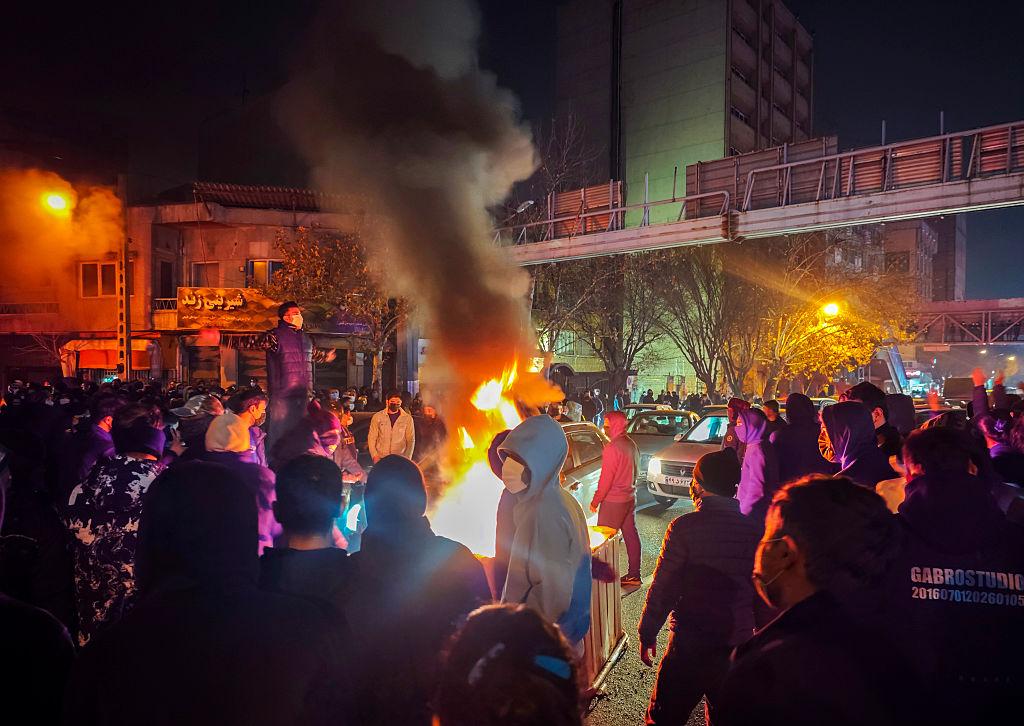
Tehran, Iran, February 6, 2026 — According to Parliament News, that Public frustration over inflation, stagnant wages, and the rising cost of essential goods has intensified across Iran, placing economic relief Iran at the center of national attention as demonstrations continue in major cities. The renewed pressure reflects a broader struggle faced by households adjusting to higher prices for food, housing, transportation, and healthcare, all while incomes remain largely unchanged.
Across Tehran and other urban centers, the economic strain is visible in daily routines. Families are cutting discretionary spending, delaying medical care, and reassessing education expenses as household budgets tighten. Analysts say the persistence of these pressures has elevated economic relief Iran from a policy debate into a defining social issue shaping public discourse in 2026.
Inflation Reshapes Household Spending Patterns
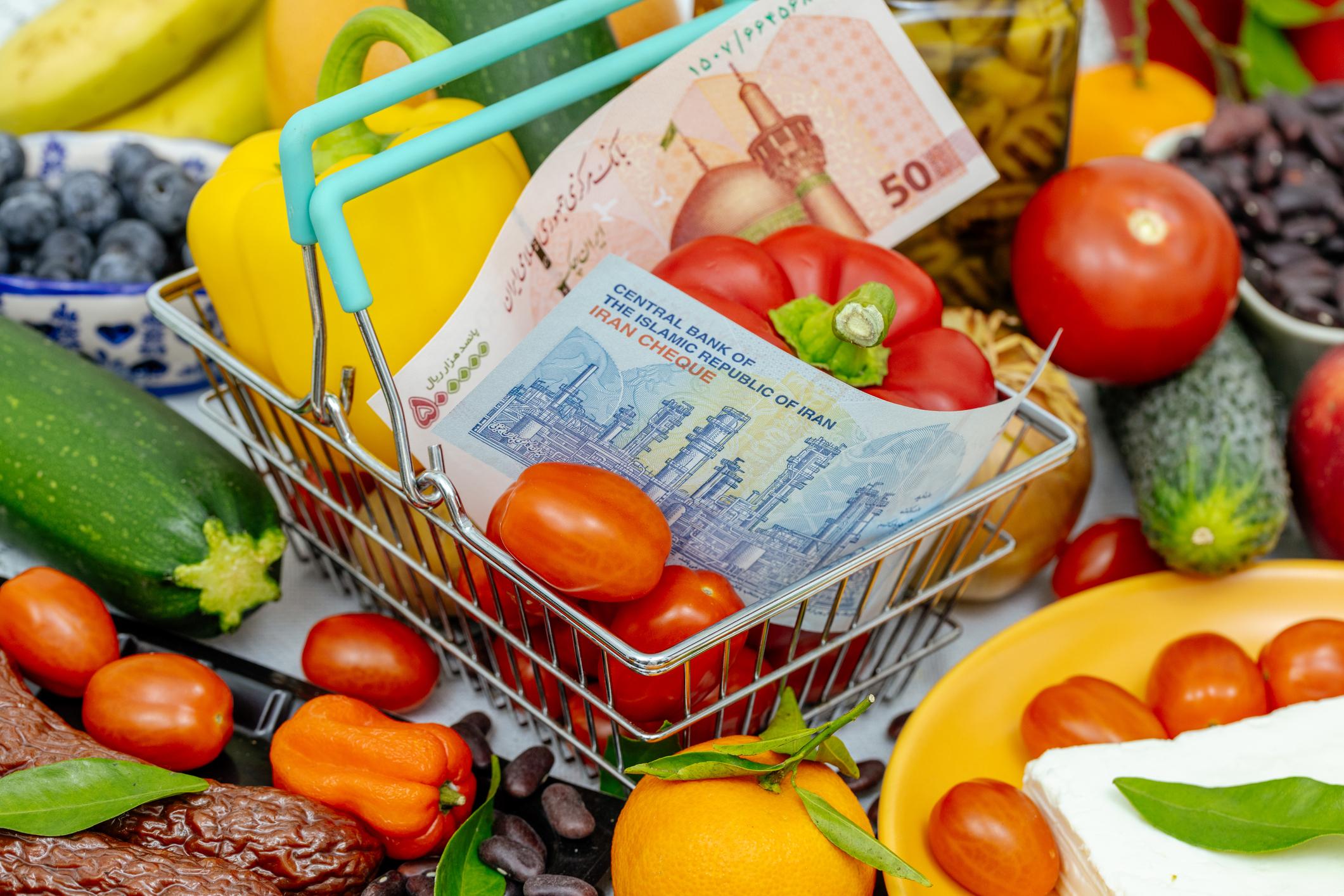
Inflation has steadily altered how families manage daily expenses. Staple foods that once formed the foundation of affordable diets now consume a larger share of income. Rent and utility payments continue to rise, forcing households to reallocate limited resources. Economists note that economic relief Iran has become a focal demand because inflation has outpaced both wage growth and existing assistance programs.
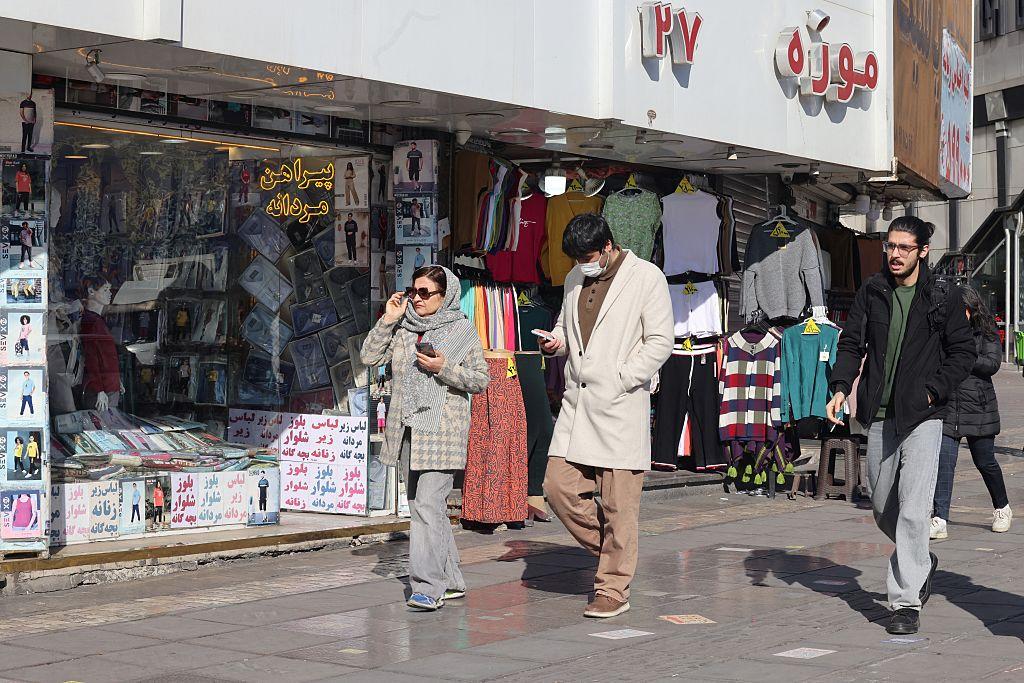
Retailers report that consumers are increasingly purchasing smaller quantities, favoring essentials over non-essential items. This shift has reduced overall market activity and contributed to slower turnover for small businesses, many of which are already grappling with higher operating costs.
Urban Demonstrations Reflect National Economic Pressure
Although protests are most visible in Tehran, similar scenes have emerged in other cities, highlighting the nationwide scope of economic stress. Participants represent a wide range of social backgrounds, including students, workers, pensioners, and small business owners. Observers say the widespread nature of these gatherings underscores how economic relief Iran resonates across income levels.
The demonstrations have largely focused on living costs rather than political ideology, with participants emphasizing affordability, job security, and predictable prices.
Wage Growth Fails to Match Rising Costs
One of the central drivers of dissatisfaction is the growing disconnect between wages and expenses. In many sectors, salaries have remained relatively flat while prices continue to climb. Analysts warn that without sustained income growth, economic relief Iran efforts risk providing only temporary relief rather than long-term stability.
Workers in service, manufacturing, and public sectors report increasing reliance on overtime or secondary income sources. This trend has contributed to fatigue and reduced quality of life, further amplifying public frustration.
Pressure Mounts on Small and Medium Enterprises
Small and medium-sized businesses form the backbone of urban employment, yet many now face mounting challenges. Rising costs for raw materials, transportation, and utilities have narrowed profit margins. Business owners argue that economic relief Iran must include targeted support for enterprises to prevent layoffs and closures.
Some shopkeepers report shortening business hours or postponing expansion plans due to uncertainty, while others struggle to maintain staff levels amid declining sales.
Currency Volatility Deepens Economic Uncertainty
Currency instability has compounded inflationary pressures by raising the cost of imported goods. Market fluctuations have made it difficult for businesses to plan and for consumers to anticipate expenses. Financial analysts say that economic relief Iran is closely tied to restoring confidence in monetary conditions.
Frequent price adjustments have become common across retail and wholesale markets, reinforcing consumer anxiety and reducing long-term financial planning.
Social Impacts Extend Beyond the Economy
Economic stress has begun to affect social behavior and community well-being. Families are delaying healthcare visits, reducing educational spending, and adjusting nutrition habits. Social workers warn that prolonged hardship could have lasting consequences if economic relief Iran fails to produce tangible improvements.
Educational institutions report higher absenteeism linked to financial constraints, while healthcare providers note delayed treatment due to cost concerns.
Government Measures Face Public Skepticism
Authorities have introduced several financial measures aimed at easing pressure, including subsidies and targeted assistance. However, public response has been mixed. Many citizens argue that economic relief Iran initiatives have not kept pace with rising costs.
Economists stress that transparency and consistency are essential for rebuilding trust, noting that short-term payments must be paired with long-term strategies addressing inflation and employment.
Youth Employment Remains a Critical Concern
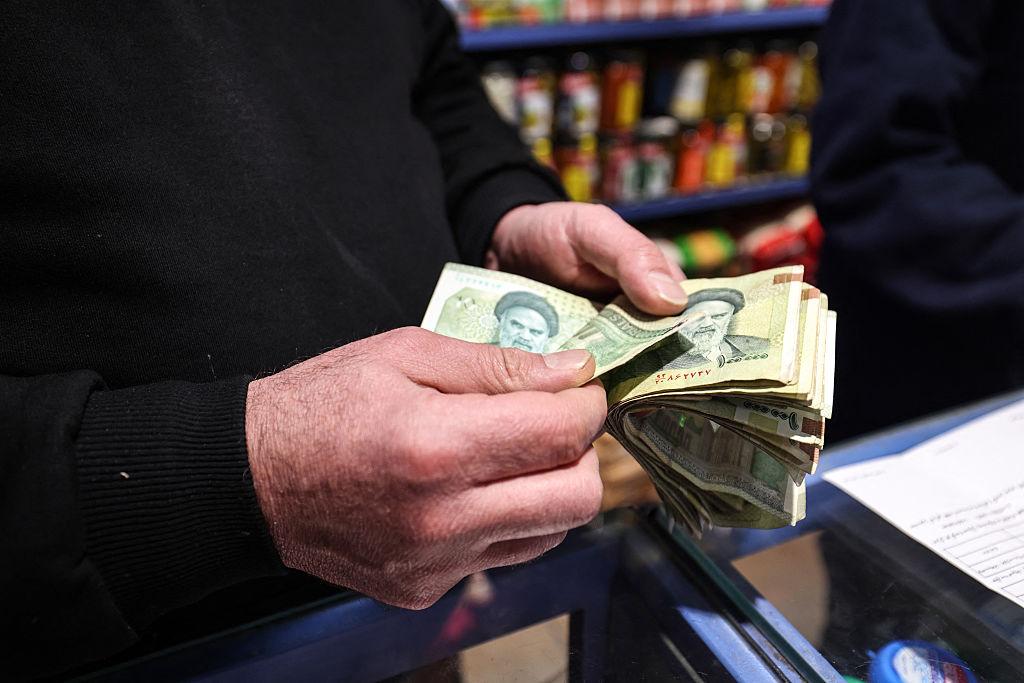
Young people entering the labor market face particularly difficult conditions. Limited job openings, modest wages, and rising living costs have created a sense of uncertainty. Labor experts emphasize that economic relief Iran should prioritize job creation to prevent long-term economic disengagement among younger generations.
Without clearer employment pathways, youth frustration may continue to contribute to public demonstrations.
Regional Trade and External Economic Constraints
External factors continue to shape domestic economic conditions. Restricted access to global markets and financial systems has limited growth potential. Analysts observe that economic relief Iran is influenced by both internal policy decisions and broader economic constraints.
While regional trade offers some opportunities, it remains insufficient to offset structural challenges affecting investment and growth.
Civic Expression Focused on Living Standards
Recent demonstrations have largely centered on economic grievances rather than broader political demands. Protesters emphasize affordability, employment, and stability, reinforcing the message that economic relief Iran is fundamentally about everyday living conditions.
Authorities have increased monitoring in some areas, though protests continue to emerge sporadically.
Voices From the Streets
One participant in a Tehran demonstration captured the prevailing mood by saying,
“People are not asking for luxury, they are asking for stability and the ability to live without fear that prices will rise again tomorrow.”
The sentiment reflects how economic relief Iran has become a unifying demand across social groups.
Long-Term Economic Planning and Public Trust
Economists argue that sustained recovery depends on restoring confidence among households and businesses. Stable pricing, predictable policy, and employment growth are viewed as essential components. Without these elements, economic relief Iran risks remaining a temporary measure rather than a structural solution.
Infrastructure and Public Services Under Strain
Rising costs have also affected public services, with infrastructure maintenance and transportation systems facing funding challenges. Analysts note that economic relief Iran must extend beyond households to support public systems that underpin daily life.
Market Behavior Signals Cautious Consumer Outlook
Consumer behavior suggests caution rather than optimism. Savings rates remain low, and discretionary spending continues to decline. Economists interpret this as a sign that economic relief Iran has yet to translate into renewed consumer confidence.
Private Sector Investment Hesitation
Investment activity remains subdued amid uncertainty. Business leaders cite inflation, currency volatility, and regulatory unpredictability as barriers. Observers stress that economic relief Iran should include measures to encourage private investment and job creation.
Historical Context of Economic Pressure
Economic strain in Iran has developed through recurring cycles of inflation, currency pressure, and constrained growth. Past efforts to stabilize prices have delivered uneven results, often influenced by external conditions and domestic policy shifts. Analysts note that economic relief Iran has repeatedly surfaced during periods of heightened inflation, highlighting its recurring role in public debate.
Understanding this context helps explain why current pressures resonate deeply across society.
Public Expectations Moving Through 2026
As the year progresses, expectations remain high that meaningful improvements will materialize. Households and businesses alike are watching closely to see whether policy measures can deliver stability. Analysts emphasize that economic relief Iran must be sustained to reduce uncertainty and rebuild confidence.
A Defining Economic Moment
The intersection of rising costs, public frustration, and policy response marks 2026 as a pivotal year. How authorities respond may shape economic conditions well beyond the current period. With economic relief Iran remaining central to public demands, the coming months are likely to define both economic stability and social cohesion.