Tokyo, Februaru 8, 2026, According to Parliament News, that the trajectory of national policy has pushed the Japan economic debate into sharper focus as lawmakers, businesses, and households assess how the country should balance growth ambitions with long-term fiscal responsibility. The discussion has emerged as one of the most consequential domestic issues of the year, reflecting widespread concern about living costs, demographic pressure, and Japan’s role in a shifting global economy.
The renewed scrutiny follows a series of policy adjustments intended to support domestic demand while preserving financial credibility. These decisions have generated broad public engagement, drawing economic questions into mainstream political conversation.
Policy Shifts That Sparked Renewed Discussion
The government’s recent economic measures were framed as pragmatic responses to slowing growth and external uncertainty. Targeted spending programs, industrial incentives, and cautious fiscal expansion were introduced with the aim of sustaining momentum without destabilizing public finances.
These moves have intensified the Japan economic debate, as supporters argue they represent necessary adaptation, while critics warn of incremental drift rather than decisive reform.
Structural Challenges Facing the Economy
Japan continues to confront deep-rooted structural challenges. An aging population, shrinking workforce, and persistent public debt shape every major economic decision. Productivity growth remains uneven, and wage increases have not always kept pace with rising costs.
Within this context, the Japan economic debate has become inseparable from questions about social sustainability and intergenerational equity.
Public Opinion and Household Concerns
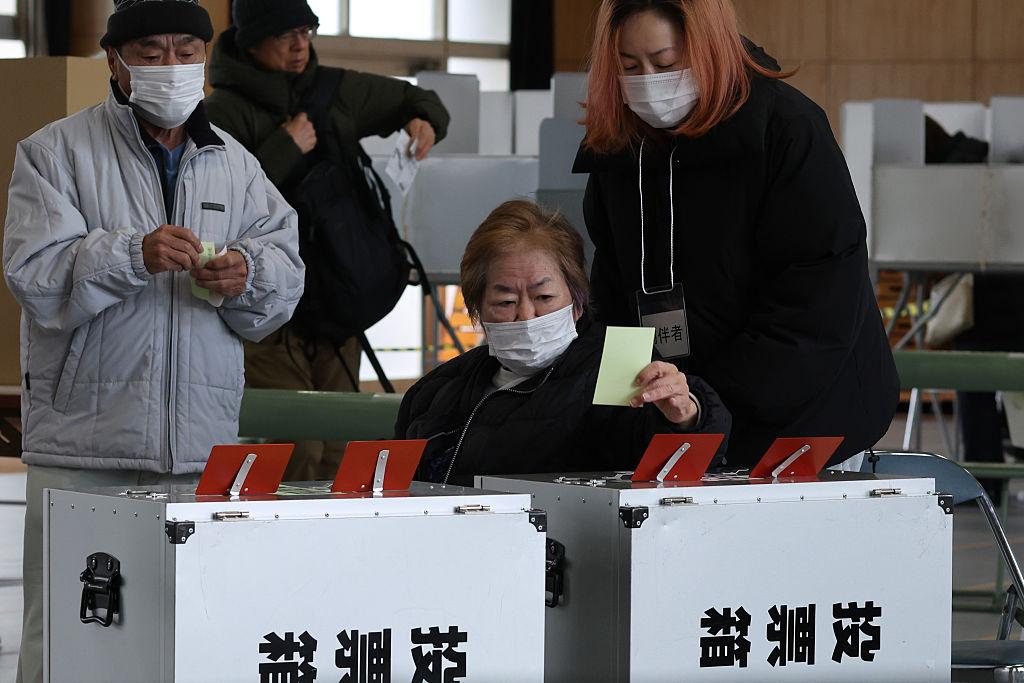
Public sentiment reflects both expectation and anxiety. Many households welcome policies that promise job security and economic resilience. Others express concern about inflation, tax burdens, and the long-term consequences of expanded public spending.
These mixed reactions have amplified the Japan economic debate, turning economic policy into a defining issue across regions and income groups.
Government Perspective on Fiscal Balance
Officials emphasize that recent measures are designed to be temporary and targeted. The administration has repeatedly stressed that fiscal discipline remains a guiding principle, even as selective investments are pursued.
This framing seeks to reassure voters and markets alike, positioning current policy as a stabilizing force within the broader Japan economic debate.
Leadership Messaging and Accountability
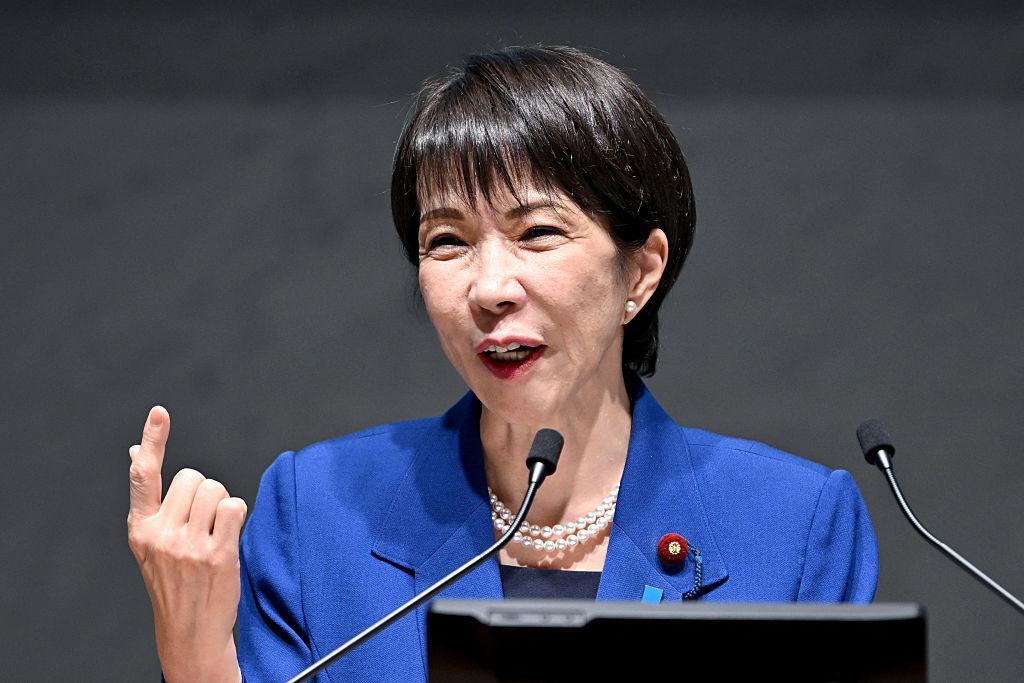
Prime Minister Sanae Takaichi has presented the government’s approach as a balance between ambition and caution. In one parliamentary address following policy deliberations, she said:
“Economic decisions must protect today’s livelihoods while safeguarding tomorrow’s stability.”
This single remark has been widely cited as encapsulating the administration’s stance amid the ongoing Japan economic debate.
Business Sector Reactions
Japan’s corporate sector has responded with measured assessment. Large manufacturers have welcomed incentives aimed at strengthening domestic production and supply chains. Export-oriented firms, however, remain sensitive to currency movements and global demand fluctuations.
Small and medium-sized enterprises have expressed concern about labor shortages and operating costs, adding further nuance to the Japan economic debate from the perspective of local economies.
Financial Markets and Investor Sentiment
Financial markets have shown relative calm following recent policy announcements. Bond yields and equity indices suggest confidence in Japan’s institutional framework, even as analysts monitor long-term fiscal signals.
Economists caution that sustained market confidence depends on credible planning, reinforcing the analytical dimension of the Japan economic debate among domestic and international investors.
Cost of Living and Social Impact
Economic policy discussions are closely tied to everyday costs. Food prices, energy bills, and housing affordability continue to influence public perception. For many citizens, the success of policy will be judged by its impact on household stability rather than abstract indicators.
This connection between policy and daily life has broadened participation in the Japan economic debate, making it a shared national conversation.
Regional Economic Disparities
Japan’s economic conditions vary significantly by region. Urban centers benefit from stronger employment opportunities, while rural areas face depopulation and declining local industries.
Efforts to address regional imbalance have therefore become an integral part of the Japan economic debate, as policymakers seek inclusive growth without overstretching fiscal resources.
International Environment and External Pressures
Global economic uncertainty continues to influence domestic planning. Shifts in interest rates, trade patterns, and geopolitical risk shape Japan’s policy options. International partners view Japan’s emphasis on stability as reassuring, though some encourage structural reform.
These external perspectives have added an international layer to the Japan economic debate, expanding its significance beyond national borders.
Parliamentary Deliberations and Political Dynamics
Within parliament, economic policy remains an area of active negotiation. While the ruling bloc maintains sufficient support to advance its agenda, internal discussions reveal differing priorities on spending, reform, and debt management.
Opposition parties continue to scrutinize government assumptions, sustaining a formal and institutional Japan economic debate within legislative processes.
Expert Views and Policy Analysis
Economic experts remain divided. Some argue that gradual adjustment is realistic given political and demographic constraints. Others warn that caution risks entrenching low growth and limiting future flexibility.
This divergence underscores why the Japan economic debate resists simple resolution, reflecting competing interpretations of risk and opportunity.
Historic Comparison
Historically, Japan has faced similar moments of economic reckoning, particularly during periods of structural transition in the late twentieth century. Previous debates often coincided with financial stress and leadership turnover.
By contrast, the current Japan economic debate unfolds within a context of institutional continuity, highlighting a shift toward stability-focused governance rather than crisis-driven reform.
Long-Term Policy Challenges
Despite relative stability, unresolved challenges remain. Public debt sustainability, labor market adaptation, and technological competitiveness will shape future policy choices.
Addressing these issues without undermining confidence will be essential to maintaining momentum within the Japan economic debate.
Public Expectations and Trust
Voters increasingly expect transparency and measurable outcomes. Confidence in economic management depends not only on policy design but also on effective communication and accountability.
Public trust remains a central variable shaping the Japan economic debate as policies move from planning to implementation.
Outlook for the Coming Years
As 2026 progresses, Japan’s economic direction remains under careful review rather than settled consensus. Incremental decisions made today will influence fiscal capacity, social cohesion, and competitiveness over the next decade.
The Japan economic debate has therefore emerged as a defining national discussion rather than a temporary political issue.
A Conversation That Will Shape the Future
Ultimately, the significance of this moment lies not in immediate outcomes but in long-term choices. Balancing growth with responsibility will test leadership, institutions, and public patience.
The durability of consensus forged through the Japan economic debate will help determine how Japan navigates an era of demographic change and global uncertainty.