

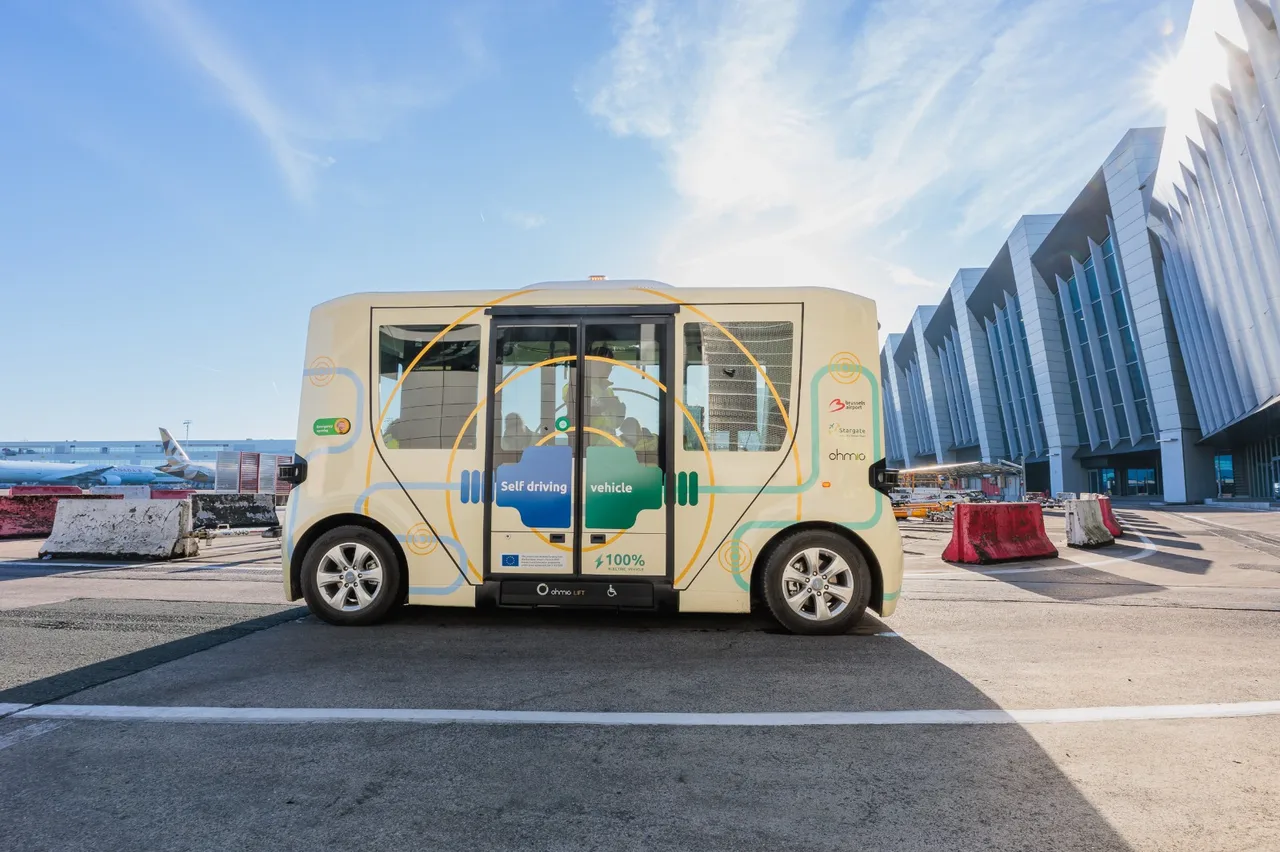
Autonomous vehicles scale operations across San Francisco in 2026 under regulatory oversight.
Safety benchmarks, liability standards, and cybersecurity protocols remain under review.
Officials say public trust will shape the pace of nationwide adoption.
San Francisco, United States — February 23, 2026 — In 2026, San Francisco stands at the forefront of innovation as autonomous vehicles expand across designated urban corridors under structured oversight, according to Parliament News. Regulators, engineers, and mobility firms are carefully scaling deployment while monitoring safety metrics, legal frameworks, and infrastructure readiness in one of the most technically demanding cities in America.
The integration of autonomous vehicles in San Francisco represents more than a technological milestone. It reflects a strategic shift in transportation policy, private sector investment, and public safety governance. Officials confirm that expansion is gradual, data driven, and subject to continuous evaluation.
Urban Innovation Meets Real World Complexity
San Francisco presents a uniquely complex driving environment. Steep hills, narrow streets, dense traffic, and high pedestrian activity test automated systems under real world pressure. Developers argue that proving reliability here strengthens confidence for expansion nationwide.
City transportation authorities require operators of autonomous vehicles to submit detailed performance data including disengagement incidents and system updates. Operational zones expand only after measurable benchmarks are achieved.
Officials stress that deployment is not experimental but structured and monitored. The goal is not rapid rollout but responsible integration aligned with public safety standards.
Engineering Foundations Behind Modern Automation
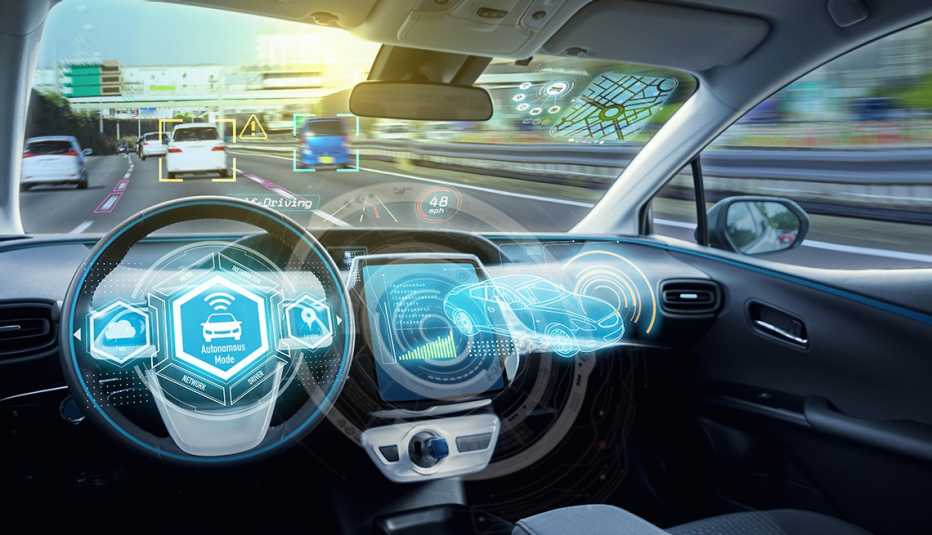
The systems powering autonomous vehicles rely on integrated sensory platforms combining lidar, radar, high resolution cameras, and ultrasonic detection. These components create continuous three dimensional mapping of surroundings.
Artificial intelligence software processes vast data streams within milliseconds. Algorithms evaluate traffic signals, cyclist movement, road markings, and unpredictable variables to guide acceleration, braking, and steering.
Engineers emphasize redundancy. Multiple backup systems operate simultaneously to prevent single point failure. Continuous over the air updates allow refinement as new scenarios emerge.
A senior automotive engineer explained,
“Technology earns legitimacy when it demonstrates consistent reliability under the most challenging urban conditions.”
This emphasis on engineering discipline defines the current development stage.
Regulatory Architecture and Oversight
California maintains one of the nation’s most detailed regulatory structures governing autonomous vehicles. Companies must secure operational permits, document cybersecurity compliance, and maintain transparent incident disclosures.
Federal transportation agencies are evaluating harmonized national guidelines. Policymakers seek to avoid regulatory fragmentation that could either slow innovation or weaken oversight.
Liability frameworks are also under examination. Legislators are clarifying accountability thresholds when automation systems are engaged. Clear statutory language is viewed as essential to reduce legal uncertainty and maintain investor confidence.
Safety Metrics and Performance Transparency
Preliminary data indicates that autonomous vehicles demonstrate improvements in maintaining lane discipline and adaptive braking during congestion. Reaction times often exceed human capability under controlled conditions.
However, unpredictable pedestrian crossings, fog, and complex intersections continue challenging developers. Safety advocates call for standardized performance disclosures to ensure transparency across operators.
A transportation safety researcher noted,
“Public confidence depends on measurable data, not marketing language.”
Authorities confirm that continued expansion depends on consistent safety performance evaluation.
Legal Responsibility and Insurance Reform
Automation complicates traditional accident investigation models. Historically, liability centered on driver behavior. The introduction of autonomous vehicles introduces shared accountability between human occupants, manufacturers, and software developers.
Insurance providers are adapting policies to differentiate between manual and automated operational phases. Legal scholars argue that clarity in these frameworks will determine long term adoption rates.
California lawmakers continue refining statutes to reflect technological realities while protecting consumers.
Economic Investment and Workforce Evolution
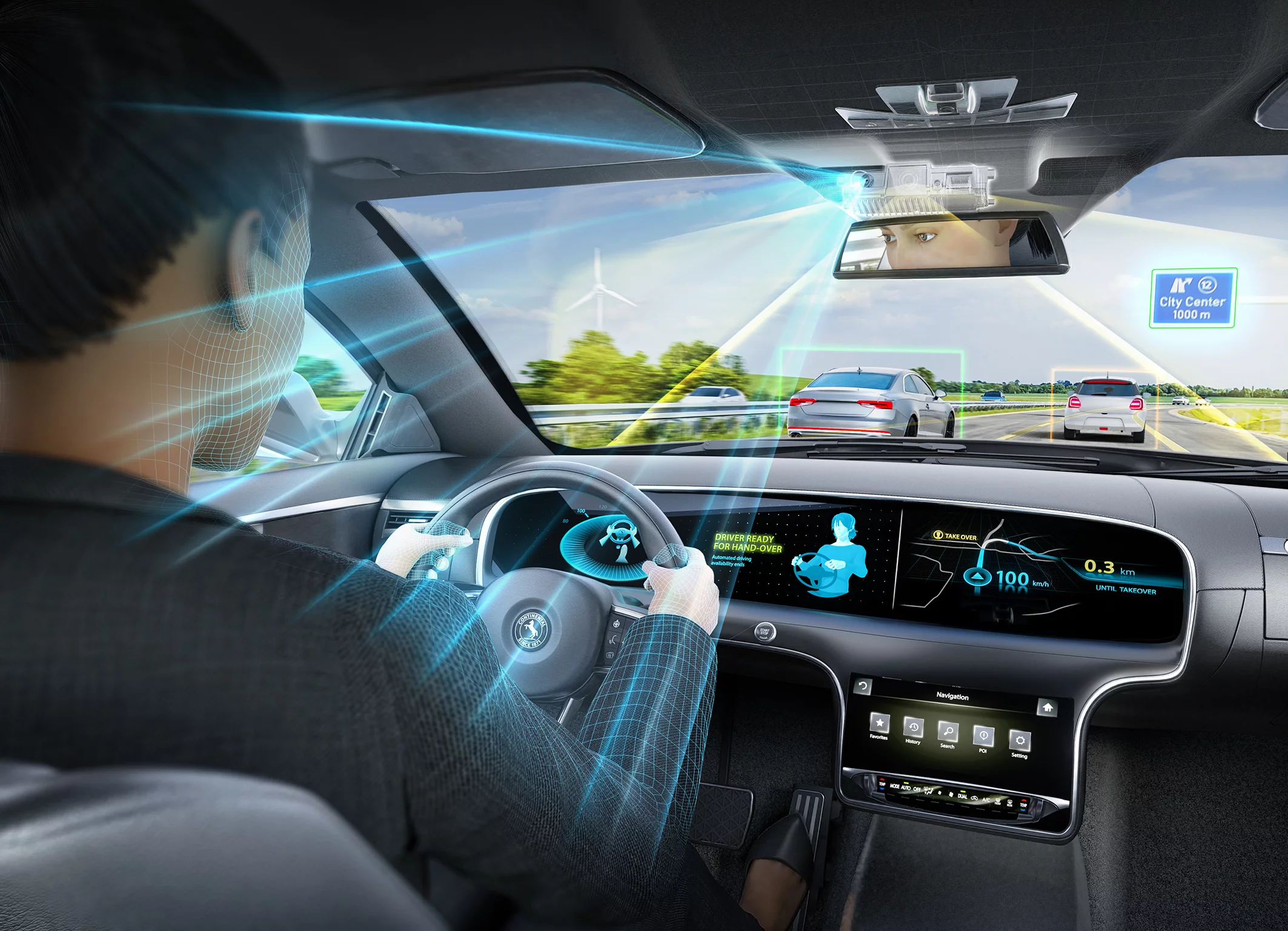
Investment in autonomous vehicles has accelerated throughout the Bay Area. Artificial intelligence research centers, sensor manufacturers, and fleet management startups continue attracting capital.
While automation may alter certain driving occupations over time, it also generates new roles in cybersecurity, fleet supervision, and systems maintenance. Economic analysts emphasize that technological transitions historically produce both disruption and opportunity.
Workforce retraining initiatives are under discussion to ensure alignment with emerging mobility sectors.
Infrastructure Modernization and Smart City Alignment
San Francisco has begun upgrading intersections with connected digital signaling capable of communicating with automated systems. Dedicated loading zones aim to reduce congestion caused by pickup and drop off activity.
Urban planners are studying how autonomous vehicles may influence parking demand and land use patterns. Environmental agencies are also evaluating how electric integration within automated fleets could support emissions reduction goals.
Infrastructure adaptation is progressing incrementally alongside deployment.
Cybersecurity and Data Governance
Connected mobility increases cybersecurity responsibility. Encrypted communications and intrusion detection protocols are mandatory elements of operational approval.
Security specialists conduct penetration testing before approving system updates. Data governance compliance ensures that information collected during automated driving remains protected under privacy regulations.
Experts caution that cybersecurity resilience must evolve continuously as technology advances.
Historical Evolution of Automated Driving Systems
The evolution of autonomous vehicles began with early driver assistance technologies such as cruise control and anti lock braking systems. Incremental enhancements introduced adaptive cruise control, lane keeping assistance, and collision avoidance features.
The early 2000s marked a transformative period as artificial intelligence advancements enabled vehicles to interpret complex environments. Silicon Valley research programs accelerated innovation through collaboration between academia and industry.
Gradual pilot testing expanded into limited public road deployments. Each stage required regulatory refinement and technological validation.
The 2026 acceleration in San Francisco represents the culmination of decades of engineering progress and policy negotiation.
Public Trust and Societal Acceptance
Surveys reveal cautious optimism among residents. Younger demographics show greater comfort with automated mobility, while older drivers prioritize safety assurances.
Community outreach efforts include demonstration rides and informational workshops. Transparency regarding operational limits remains central to maintaining credibility.
An industry executive commented,
“Innovation must be matched by accountability if it is to earn lasting public trust.”
Officials emphasize that societal readiness will determine the long term trajectory of automation.
Global Competition and Strategic Leadership
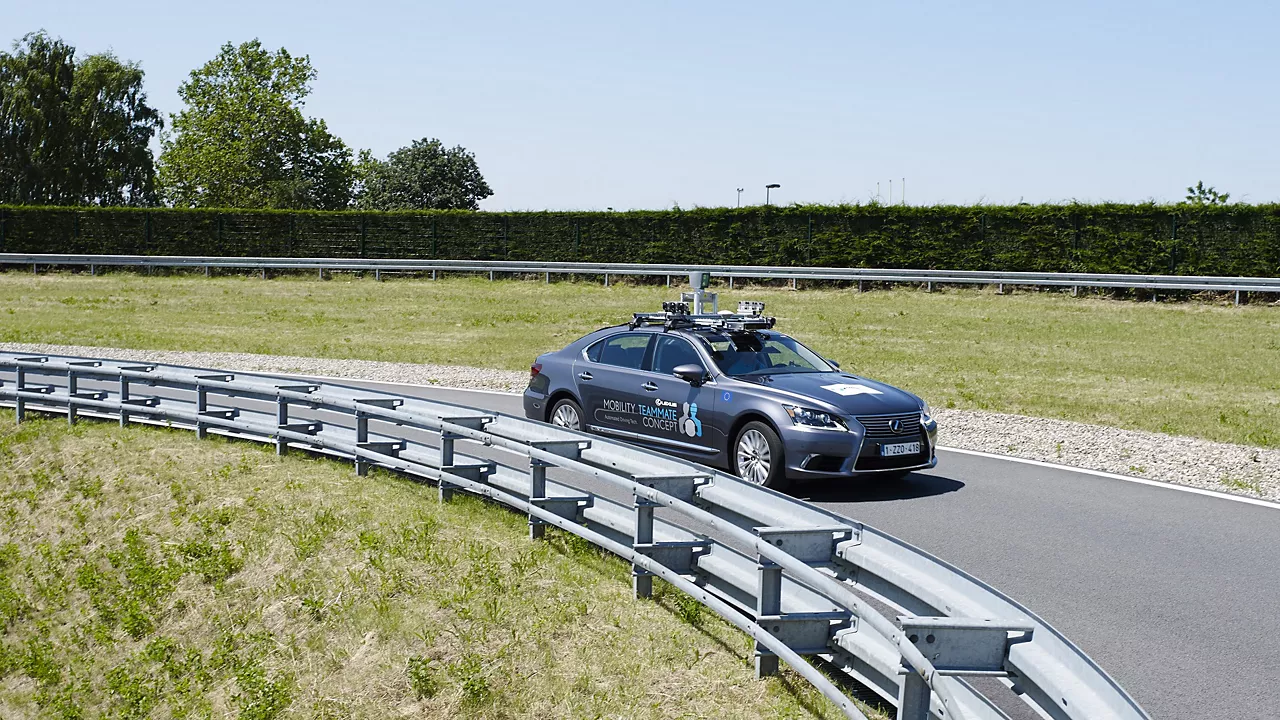
International markets are intensifying investment in autonomous vehicles, recognizing automation as both economic driver and strategic asset. European and Asian corridors are expanding structured pilot programs.
U.S. policymakers view leadership in this sector as critical to maintaining technological competitiveness. San Francisco’s performance metrics are closely monitored by global observers.
Cross border regulatory alignment remains complex but under active discussion.
When Intelligence Shares the Streets
The 2026 expansion of autonomous vehicles in San Francisco reflects a broader transformation within the transportation ecosystem. Progress remains deliberate and anchored in measurable data.
Engineering capabilities continue advancing, yet societal integration unfolds at a more cautious pace. Regulatory clarity, infrastructure modernization, and public trust remain interconnected pillars.
San Francisco’s structured deployment demonstrates how innovation and oversight can progress simultaneously. The path forward will depend not only on technological breakthroughs but on sustained accountability and transparent governance.