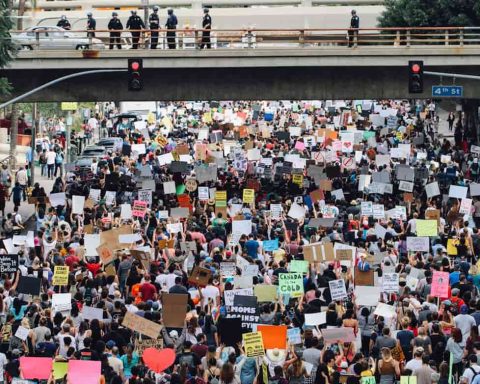
Israel Lebanon conflict news shows escalating border tensions and military activity in 2026.
Civilians face growing risks as cross-border strikes increase in southern Lebanon.
Global leaders urge restraint amid fears of wider regional instability.
SOUTHERN LEBANON, April 26, 2026 (Parliament Politics Magazine) Israel Lebanon conflict news is dominating international headlines as tensions intensify along the volatile border between the two nations. Reports of cross-border strikes, military build-ups, and civilian displacement are raising alarm across the global community.
The latest Israel Lebanon conflict news reflects a rapidly evolving situation that carries significant implications for regional stability, humanitarian conditions, and global security. Governments and international organizations are closely monitoring developments as the risk of escalation grows.
Israel–Lebanon Tensions 2026
- Primary Region: Southern Lebanon / Northern Israel border
- Recent Activity: Cross-border strikes and artillery exchanges
- Civilian Impact: Displacement and infrastructure damage
- Military Presence: Increased troop deployment on both sides
- Global Concern: Risk of regional escalation
- Diplomatic Status: Calls for ceasefire and de-escalation
Escalating Military Activity Along the Border
The current wave of Israel Lebanon conflict news highlights a surge in military activity along the border region. Reports indicate that both Israeli and Lebanese forces have increased their operational readiness, with exchanges of fire becoming more frequent.
The situation remains fluid, with incidents occurring in multiple locations across the border. Military officials have emphasized defensive measures, though the intensity of engagements suggests a broader strategic posture.
A regional security analyst stated:
“The pace and frequency of these incidents suggest a heightened level of tension that could quickly escalate.”
Civilian Impact and Humanitarian Concerns
As Israel Lebanon conflict news continues to unfold, the impact on civilians is becoming increasingly evident. Communities near the border are experiencing disruptions, with some residents forced to relocate due to safety concerns.
Humanitarian organizations are raising alarms about access to essential services, including healthcare, food, and shelter. Infrastructure damage has further complicated relief efforts, making it difficult to deliver aid.
A humanitarian worker noted:
“Civilians are always the most affected in these situations. Immediate support and protection are critical.”
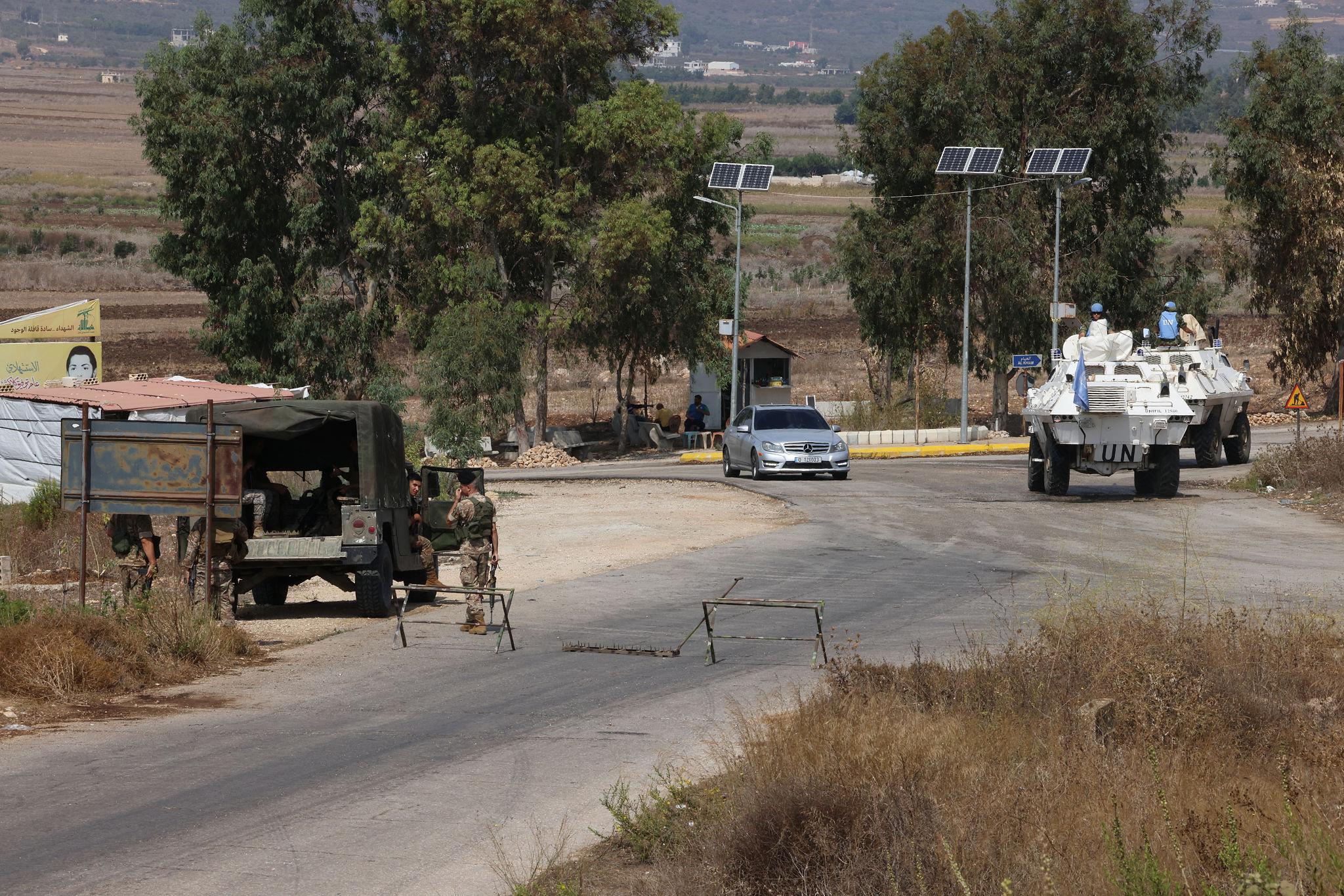
International Response and Diplomatic Pressure
The global response to Israel Lebanon conflict news has been swift, with calls for restraint coming from multiple governments and international bodies. Diplomatic efforts are underway to prevent further escalation and encourage dialogue.
The United Nations and other organizations have urged both sides to adhere to international law and prioritize civilian safety. Diplomatic channels remain active, though progress has been limited.
A diplomatic source stated:
“De-escalation must be the priority. The consequences of further conflict could be far-reaching.”
Military Strategy and Regional Dynamics
The evolving Israel Lebanon conflict news also reflects broader regional dynamics. Both sides are positioning themselves strategically, with military actions influenced by wider geopolitical considerations.
Analysts suggest that the current situation is shaped by alliances, security concerns, and historical tensions. The interplay of these factors contributes to the complexity of the conflict.
Historical Context of Israel–Lebanon Conflict
The history behind Israel Lebanon conflict news dates back decades, marked by periods of conflict, ceasefires, and ongoing tensions. Previous confrontations have included large-scale military operations and prolonged border disputes.
Understanding this historical context is essential for interpreting current developments and anticipating potential outcomes. Patterns of escalation and de-escalation have defined the relationship between the two nations.
Economic and Regional Stability Risks
The economic implications of Israel Lebanon conflict news extend beyond the immediate region. Instability can affect trade, investment, and broader economic conditions across the Middle East.
Markets often react to geopolitical uncertainty, with potential impacts on energy prices and regional economic activity. The ripple effects highlight the interconnected nature of global economies.
Security Outlook and Future Developments
Looking ahead, Israel Lebanon conflict news suggests a period of continued uncertainty. Analysts warn that without effective diplomatic intervention, the risk of escalation remains significant.
Potential scenarios include increased military engagement, further humanitarian challenges, and broader regional involvement. Monitoring developments will be critical in assessing the trajectory of the conflict.
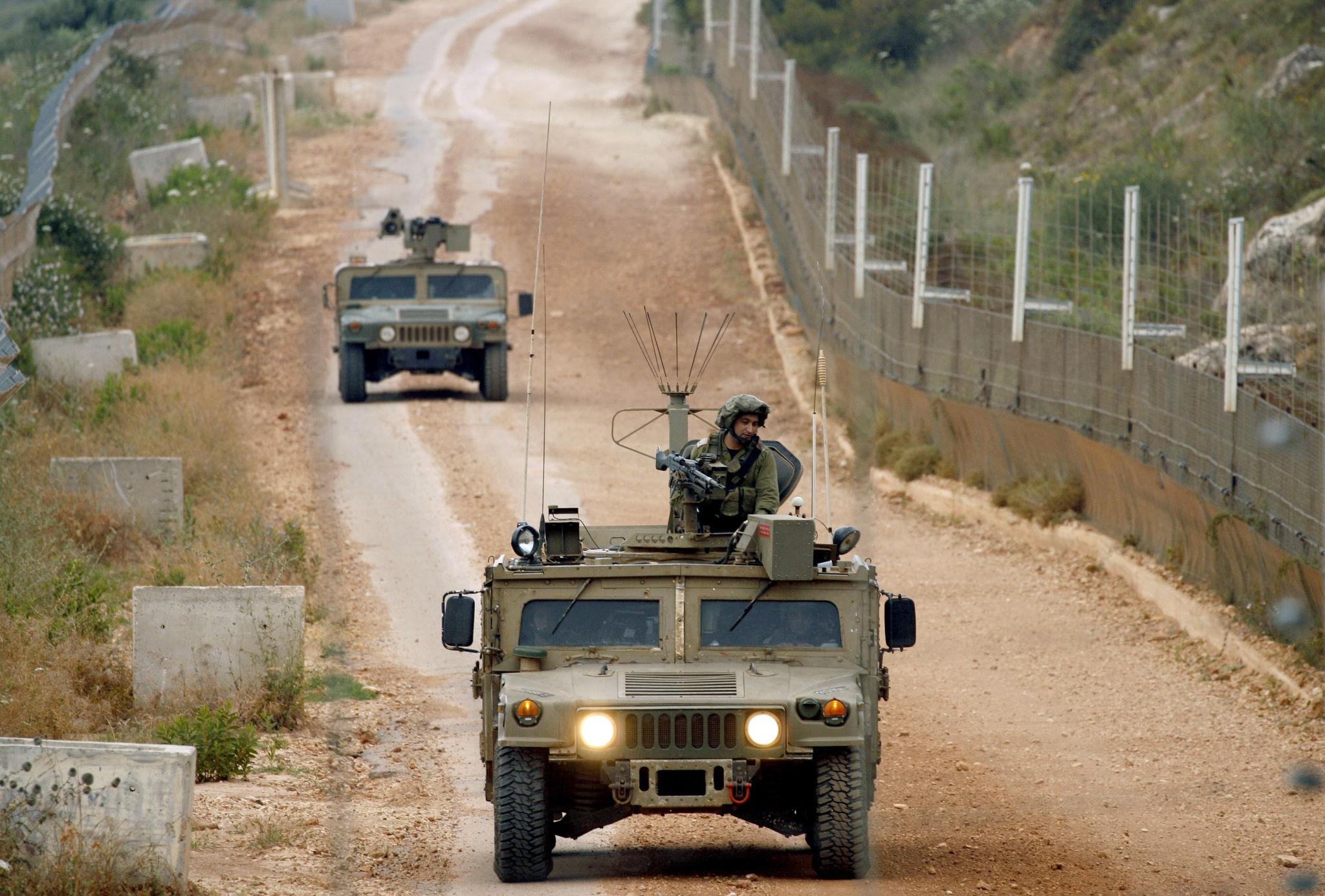
Israel Lebanon Conflict 2026: Key Takeaways and Global Impact
Israel Lebanon conflict news in 2026 highlights rising tensions and increasing military activity along the border.
Civilians face growing risks as humanitarian concerns intensify in affected areas.
Global leaders continue to push for de-escalation to prevent a wider regional crisis.