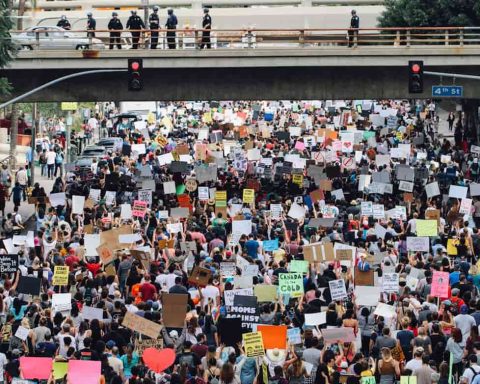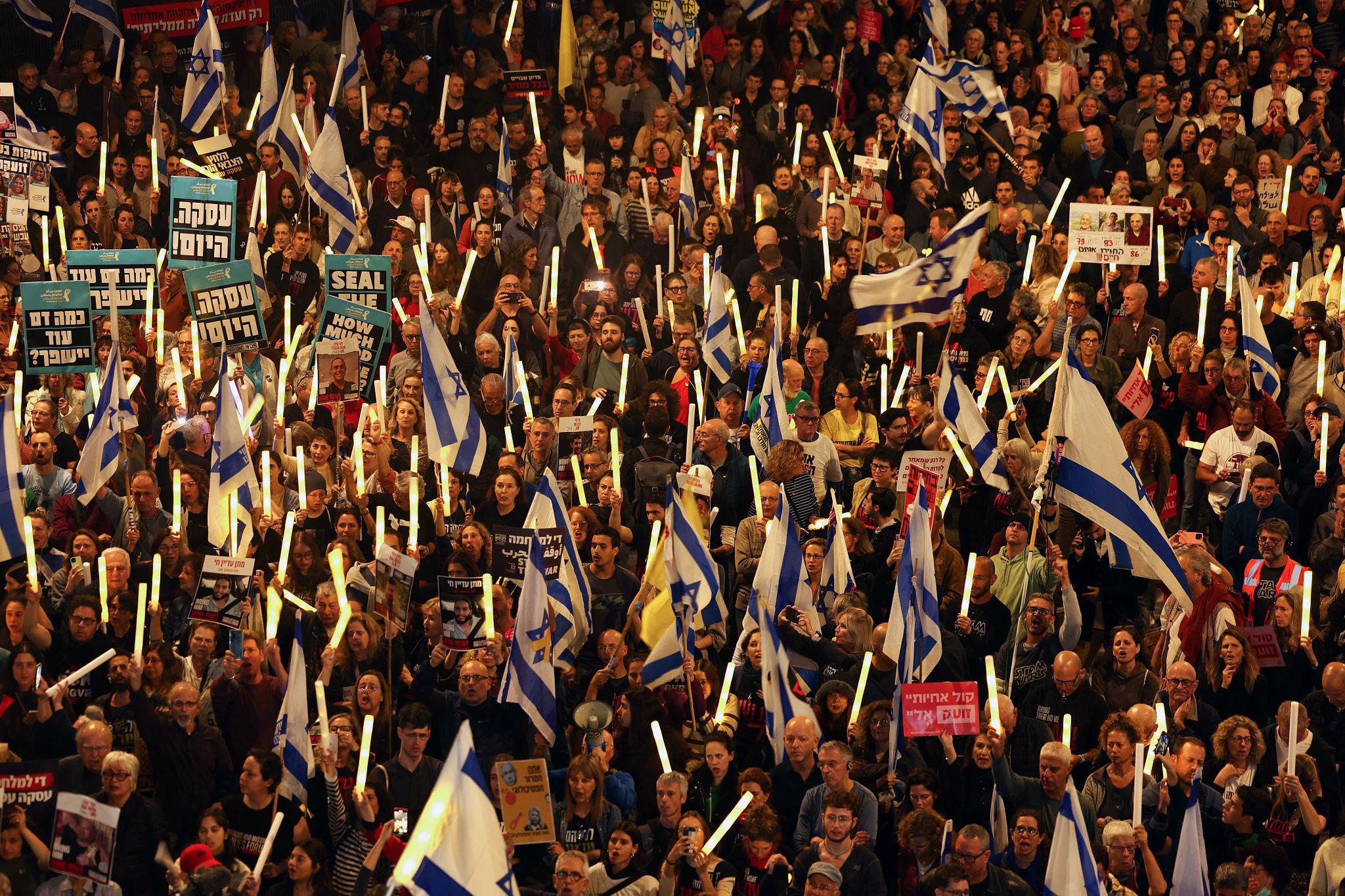
Middle East conflict update: Israeli protesters rally in 2026 demanding an end to ongoing wars.
Mass demonstrations highlight growing frustration with repeated military conflicts and economic strain.
Public pressure for diplomacy is rising as national debate shifts toward long-term peace solutions.
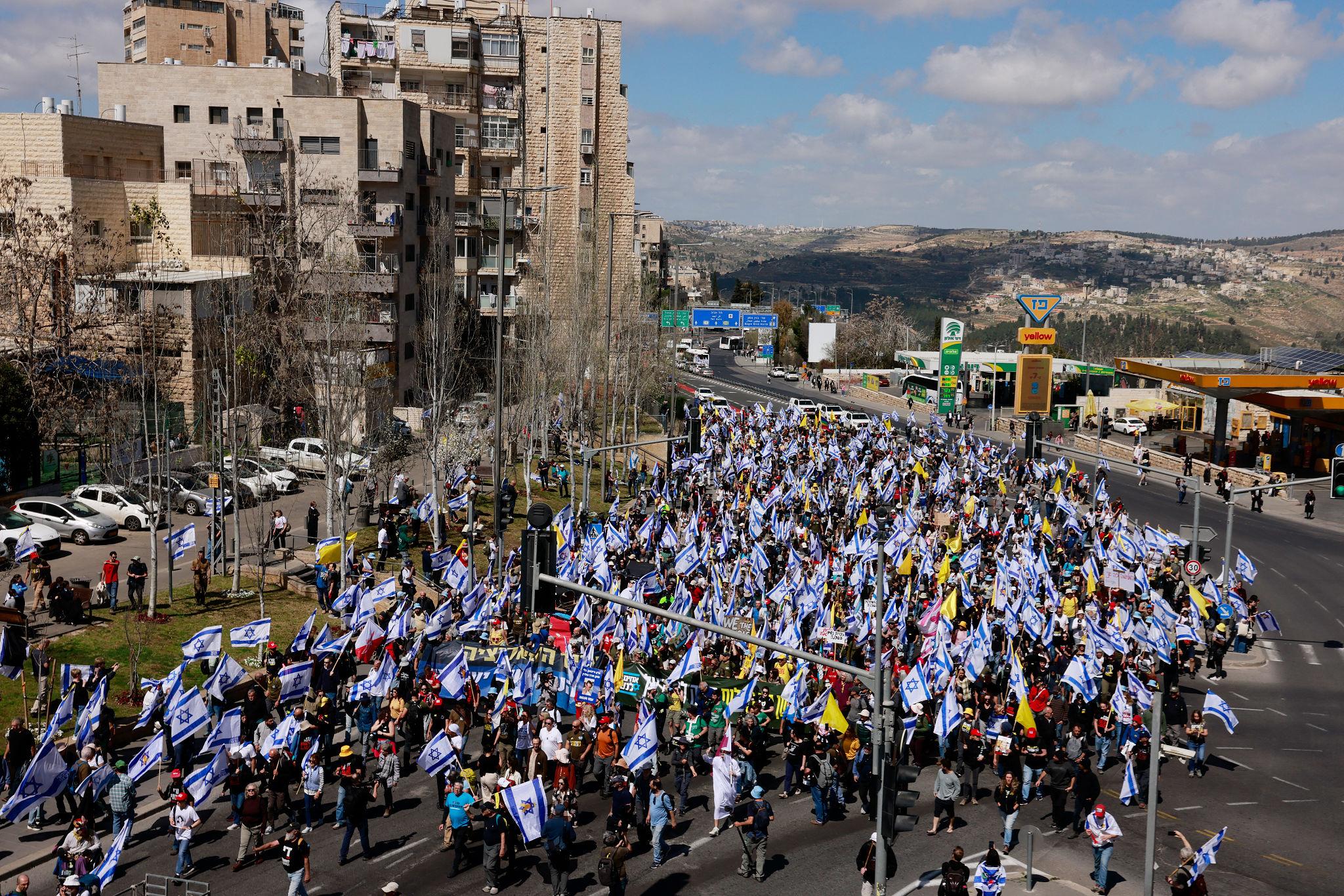
Jerusalem, Israel, May 3, 2026 (Parliament Politics Magazine) Middle East conflict update dominates headlines as thousands of demonstrators gather across Jerusalem and other major cities, calling for an end to prolonged cycles of violence. Protesters are increasingly vocal about what they describe as a pattern of continuous military engagement that has shaped national policy and daily life for years.
The demonstrations, which began as localized gatherings, have expanded into a broader national movement. Citizens from multiple sectors of society are now participating, signaling a shift in public discourse around conflict, security, and long-term strategy.
“We’re not safer—we’re just more accustomed to conflict,”
one protester said.
“That is not strength, it’s fatigue.”
What This Middle East Conflict Update Reveals in 2026
Region: Middle East
Country: Israel
Primary Protest Hub: Jerusalem
Secondary Activity Zone: Tel Aviv
Date: May 3, 2026
Year: 2026
Core Focus: Middle East conflict update
Event Classification: Nationwide anti-war demonstrations
Central Issue: Growing resistance to prolonged military conflict
Driving Factors: War fatigue, economic pressure, national security concerns
Primary Demand: Immediate shift toward diplomacy and de-escalation
Official Position: Continued emphasis on military readiness
Public Mood: Increasingly divided, with rising calls for peace
Global Impact Level: High — potential influence on regional geopolitics
Nationwide demonstrations signal shifting public sentiment
The current Middle East conflict update reflects a growing movement that extends beyond isolated protests. Cities such as Tel Aviv have also seen large crowds gather, indicating that dissatisfaction is not limited to a single region.
Participants include students, professionals, families, and retired military personnel. The diversity of those involved suggests that concerns over ongoing conflicts are becoming more widespread across different demographics.
Observers note that this level of participation indicates a deeper conversation taking place within society—one that questions not just specific policies, but the broader approach to national security.
Economic strain linked to prolonged tensions
Another critical aspect of the Middle East conflict update is the economic impact of sustained military engagement. Increased defense spending, disruptions to tourism, and reduced investor confidence have placed pressure on the national economy.
Local businesses have reported fluctuating revenues, particularly in sectors dependent on stability and international travel. Citizens are increasingly linking economic challenges to prolonged conflict, arguing that resources could be redirected toward domestic development.
“We are paying for this in more ways than one,”
a small business owner said.
“It’s not just taxes—it’s lost opportunities.”
Government reinforces security-first policy approach
Despite the protests, officials continue to emphasize the importance of maintaining strong security measures. Authorities point to ongoing threats and tensions involving Iran and other regional actors as justification for continued military readiness.
The government maintains that defensive operations are necessary to protect national interests and ensure stability. This position remains consistent even as public pressure for alternative approaches increases.
The Middle East conflict update highlights a clear divide between leadership priorities and evolving public sentiment.
Calls for diplomacy gain momentum
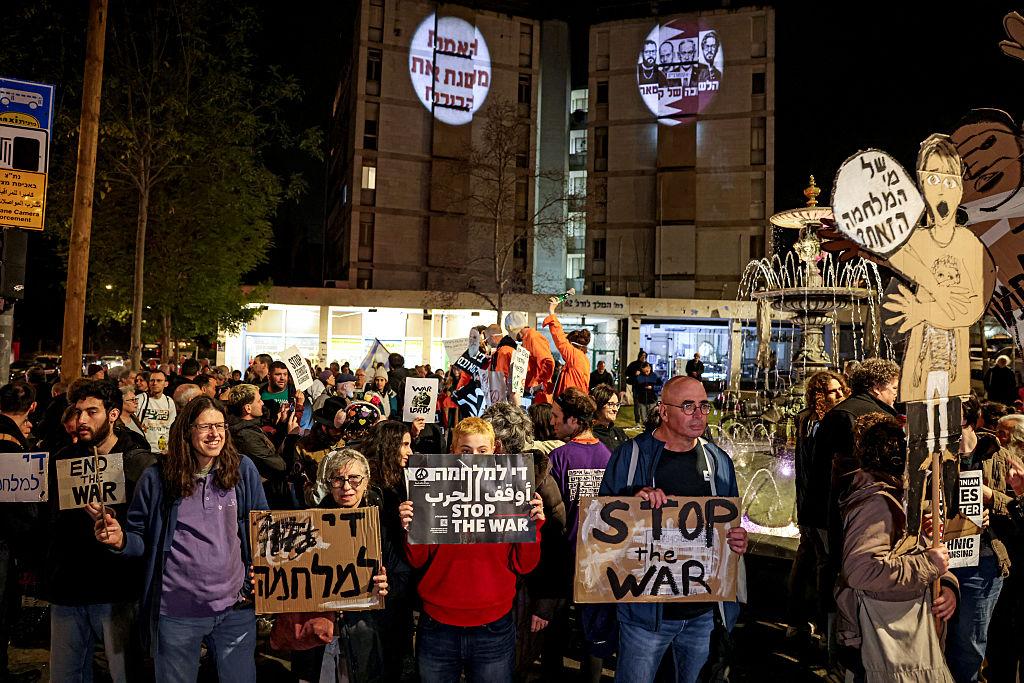
A central theme emerging from the protests is the demand for renewed diplomatic efforts. Demonstrators are urging policymakers to explore negotiation and de-escalation strategies as alternatives to continuous military action.
Activists argue that long-term peace requires sustained dialogue and international cooperation. The Middle East conflict update reflects this growing emphasis on diplomacy as a viable path forward.
“Security isn’t just about force—it’s about preventing the need for force,”
one speaker told a crowd during a rally.
Youth and veterans reshape the protest narrative
The involvement of younger generations alongside military veterans has added depth to the movement. Students have played a key role in organizing demonstrations, often using digital platforms to coordinate events.
At the same time, veterans have contributed their perspectives, drawing on personal experience to advocate for change. Their participation has strengthened the credibility of the movement and broadened its appeal.
The Middle East conflict update shows how this combination of voices is influencing the national conversation in new ways.
Public opinion remains divided across the country
While protests are growing, public opinion remains complex and divided. Some citizens strongly support calls for diplomacy, while others continue to prioritize security concerns.
This divide reflects the broader challenges facing policymakers. Balancing immediate threats with long-term stability remains a central issue in the ongoing debate.
The Middle East conflict update captures this tension, illustrating how deeply rooted perspectives shape national discourse.
Historical context of recurring conflict cycles
Understanding the current Middle East conflict update requires examining the region’s history of recurring tensions. Over decades, cycles of escalation and temporary calm have defined the geopolitical landscape.
These patterns have influenced both policy decisions and public expectations. While some view military strength as essential, others argue that historical approaches have failed to produce lasting peace.
This context provides important insight into why current protests are gaining momentum.
International attention intensifies in 2026
Global observers are closely monitoring developments as the protests continue. The Middle East conflict update has drawn attention from international leaders and analysts, who are assessing potential implications for regional stability.
Changes in domestic sentiment could influence diplomatic relations and future negotiations. However, experts caution that significant challenges remain, given the complexity of the region.
Future outlook for protest movement
Organizers have indicated plans to continue demonstrations and expand outreach efforts. The Middle East conflict update suggests that sustained public engagement may play a role in shaping future policy discussions.
While it remains uncertain whether protests will lead to immediate changes, their growing scale indicates a significant moment in national discourse.
Final Outlook: What This Middle East Conflict Update Means for 2026
The Middle East conflict update highlights a critical turning point in 2026 as Israeli protesters demand an end to ongoing conflicts. Public frustration, economic pressures, and calls for diplomacy are reshaping national conversations.
While leadership continues to prioritize security, the rising movement signals a shift that could influence future policies and regional dynamics. The coming months may determine whether these protests lead to meaningful change or remain part of a broader ongoing debate.