WASHINGTON, June 17 (Parliament Politics Magazine) – More than three months after the United States and Israel launched airstrikes on Iran on February 28, President Donald Trump faces scrutiny over whether his stated war objectives have been met. Upon the commencement of hostilities, the President outlined a broad spectrum of goals, ranging from the total destruction of Iran’s ballistic missile capabilities to ensuring the permanent cessation of any potential nuclear weapon program in Tehran.
With a preliminary peace deal now established, the reality of the situation remains complex. While the administration points to the degradation of Iranian assets, independent analysis suggests a more nuanced outcome, particularly regarding the long-term containment of Tehran’s military and nuclear ambitions.
Impact on Missile and Drone Arsenals
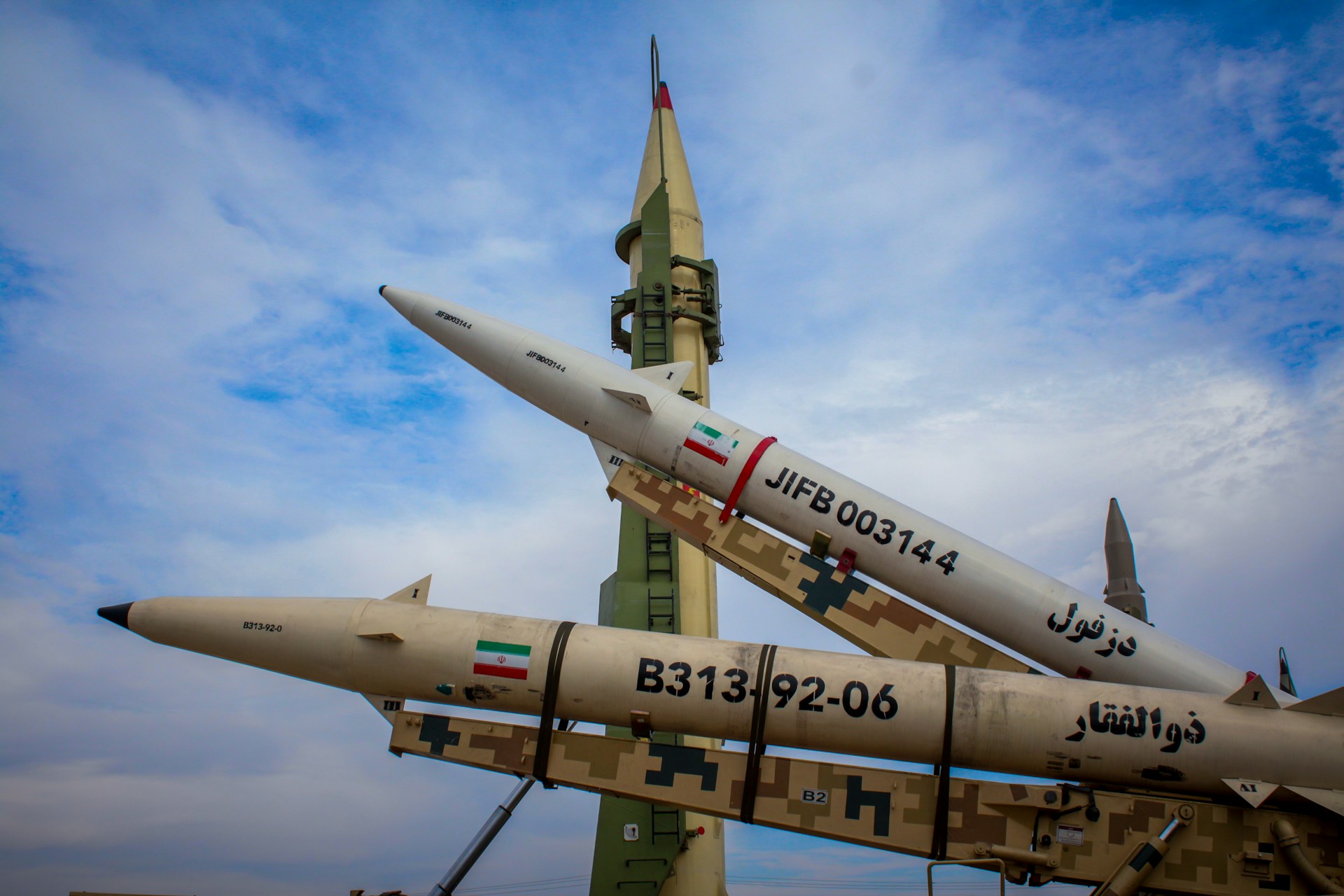
Prior to the conflict, Iran possessed the largest ballistic stockpile in the Middle East, numbering between 2,500 and 6,000 units. Some of these missiles were capable of reaching Israel with ranges up to 2,000 kilometers, while others were equipped with cluster munition warheads designed to penetrate defensive systems.
One month into the conflict, U.S. sources indicated that approximately one-third of the arsenal had been destroyed, with another third sustained significant damage or remained buried. Admiral Brad Cooper testified before Congress on May 14 that Iran’s manufacturing and storage capabilities had been set back by several years, noting that U.S. forces and their allies had intercepted more than 1,500 missiles and 6,000 drones.
Despite these figures, Iran demonstrated that it retained the ability to launch retaliatory strikes. As recently as June 6 and 7, Tehran launched salvos toward Kuwait, Bahrain, and Israel. Although regional authorities reported that these attacks caused no significant damage, the events signaled that the physical infrastructure for missile strikes was not entirely eradicated.
Status of Conventional Military Power
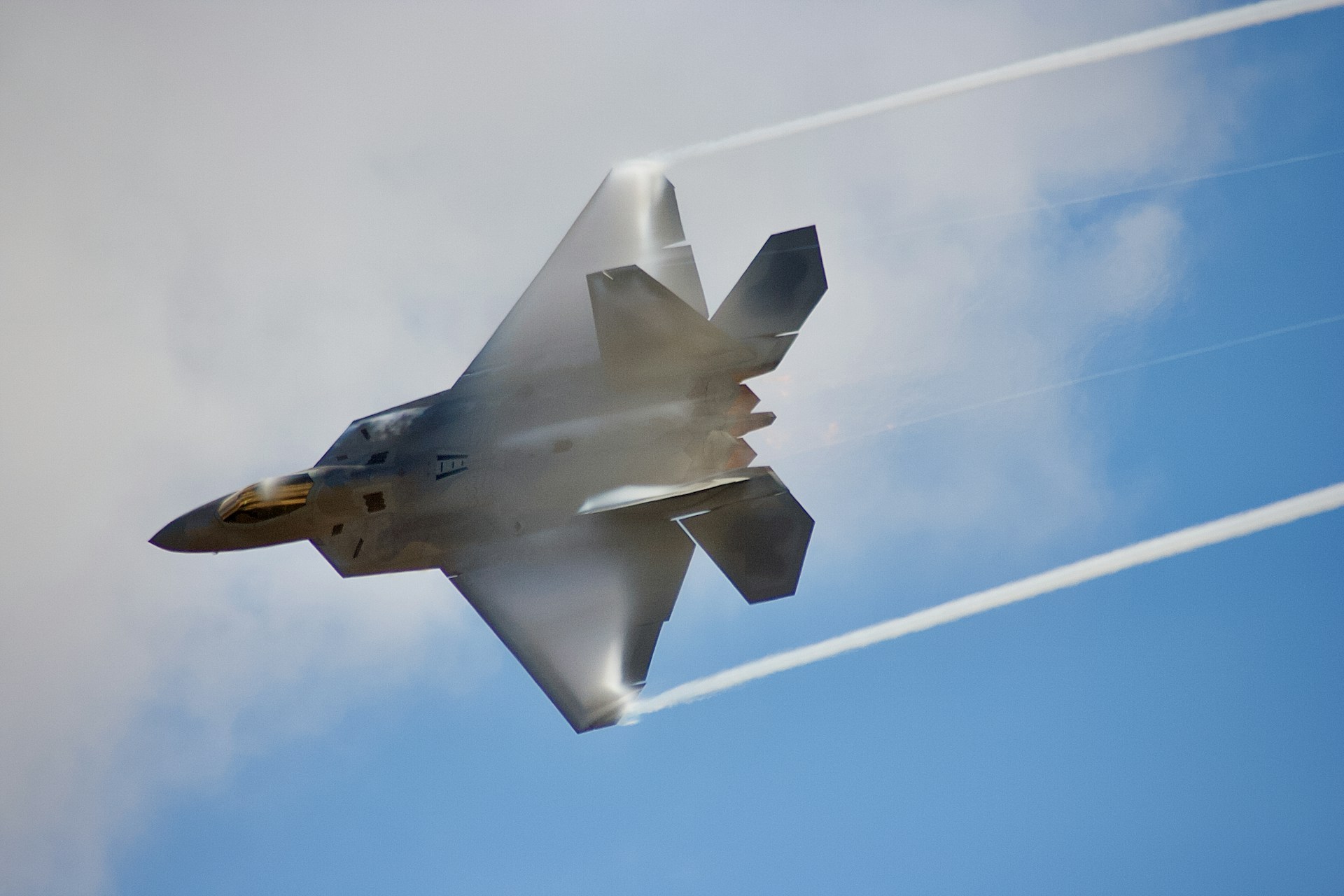
The U.S. military assessment reports a degradation in Iran’s ability to project power or threaten regional operations. Admiral Cooper stated that the campaign successfully destroyed 161 Iranian naval vessels and neutralized 82% of the nation’s air defense systems. Furthermore, the Iranian air force, which previously conducted up to 100 sorties daily, has reportedly ceased all flight missions.
However, the war also highlighted persistent vulnerabilities in regional maritime transit. Iran successfully closed the Strait of Hormuz for the duration of the conflict by utilizing speedboats, mines, and mobile missile platforms. This action impacted a vital corridor that transports one-fifth of the global supply of oil and natural gas, demonstrating that conventional military degradation did not equate to a total loss of strategic denial capabilities.
The Unresolved Nuclear Question
President Trump has consistently identified the prevention of a nuclear-armed Iran as his primary objective. Tehran has maintained throughout the conflict that its program is strictly for peaceful purposes and denies any intent to construct a nuclear weapon.
Current intelligence assessments suggest the war has not fundamentally altered Iran’s nuclear trajectory. Estimates indicate that Iran would still require less than a year to produce a weapon, a timeline that mirrors projections made following the June 2025 strikes on Iranian nuclear facilities.
Negotiators are slated to address this issue when the framework deal is formally signed on Friday. Disputes remain centered on the management of enriched uranium. Trump has demanded that the material be removed from Iranian soil, while Supreme Leader Ayatollah Mojtaba Khamenei has insisted that the stockpile remains within the country.
Influence of Proxy Networks
In a White House address on March 2, President Trump declared that Iran could no longer be permitted to fund and arm proxy groups in Iraq, Lebanon, Gaza, and Yemen. While Iran has shown no formal willingness to abandon these groups, military and independent assessments indicate that the network is significantly less effective than in previous years.
Much of this erosion occurred through a combination of factors predating the 2026 war. These include the targeting of leadership within Hamas and Hezbollah by Israel, the loss of Syrian transit routes following the 2024 collapse of Bashar al-Assad’s rule, and the cumulative impact of economic sanctions.
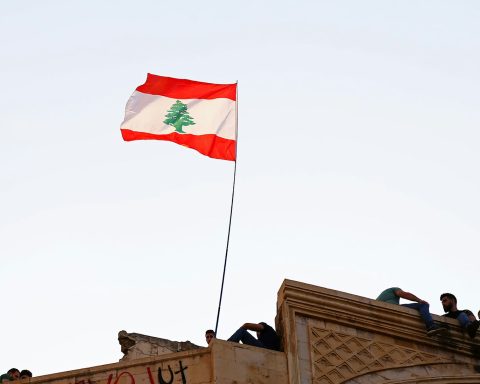
Hezbollah remains the most active of these groups, having entered the war on March 2. This resulted in an intense Israeli ground invasion and airstrike campaign in Lebanon, leading to nearly 3,700 deaths and 1.2 million displacements. Admiral Cooper noted in May that while Iran lacks the ability to reliably supply these proxies with advanced weaponry, the groups remain engaged in active combat.
Regime Change
President Trump initially encouraged Iranian protesters to capitalize on the death of Supreme Leader Ayatollah Ali Khamenei on February 28, calling it their “single greatest chance” to seize the government. He subsequently demanded an “unconditional surrender” and the installation of a new, “acceptable” leader.
Although the theocratic government remains in power, Trump has claimed success regarding the regime change objective due to the succession of the late leader’s son, Ayatollah Mojtaba Khamenei. By March 29, Trump described the new leadership as “a new, and more reasonable, regime.”
He has since refrained from calling for the toppling of the government. This shift in rhetoric marks a departure from the administration’s initial stance, focusing instead on the perceived change in leadership style rather than a total structural overthrow.
Technological Warfare
The conflict was characterized by a high degree of digitization and the use of artificial intelligence. U.S. and Israeli forces utilized machine learning architectures like Project Maven to chart operations and strike over 4,000 targets within the first four days of the war.
This reliance on algorithmic warfare drew international condemnation, particularly after a March 2026 strike in Minab hit a girls’ school, resulting in the deaths of over 165 students. Additionally, during the height of the conflict, the U.S. military deployed autonomous AI-driven swarm drones to neutralize Iranian air defense radar systems.
This tactical innovation reportedly forced the Iranian military to decentralize its communications. According to intelligence reports, this disruption inadvertently weakened Iran’s ability to coordinate with regional proxies during the war’s final weeks.
Terms of the Ceasefire Agreement
A framework agreement mediated by Pakistan has brought the 15-week conflict to a tentative halt, with a 60-day extension intended to facilitate further diplomatic negotiations. The primary immediate outcome is the reopening of the Strait of Hormuz to global shipping.
“The core immediate achievement is the removal of the U.S. naval blockade to allow global oil to flow freely again,” stated a diplomatic source involved in the regional negotiations.
Tensions persist, however, as Iran has proposed charging new entry fees for vessels passing through the strait. Reports further suggest the U.S. may release up to $24 billion in frozen Iranian assets as part of the negotiation process.
The deal has also exposed fractures between the U.S. and Israel. While the Trump administration moved to secure the ceasefire, Israeli officials have openly criticized the terms. Israeli forces have continued to strike targets in southern Beirut, indicating they will not withdraw from Lebanon in alignment with the U.S.-brokered pact.