

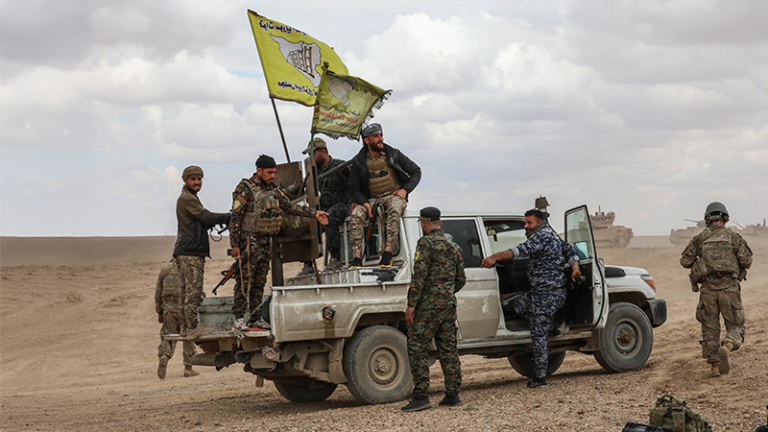
Brussels, January 2026 — According to parliament news, that diplomats and regional observers say the SDF security issue has become a defining element of high level political engagement in the Belgian capital this week. Delegations from across the Middle East and Europe gathered in Brussels amid renewed concern over stability in northeastern Syria where governance arrangements and armed group dynamics continue to shape regional calculations. The timing of the meeting reflects growing awareness that unresolved security questions are no longer confined to local borders but influence humanitarian conditions migration patterns and diplomatic relations across the wider region.
Northeast Syria at the Center of Strategic Debate
Northeast Syria has emerged as one of the most sensitive geopolitical zones in the Middle East. Years of conflict have transformed the region into a mosaic of security actors local administrations and international interests. The SDF security issue sits at the heart of this complexity as policymakers weigh how armed control intersects with governance civilian protection and regional stability.
Participants in Brussels describe the area as a pressure point where local realities and regional ambitions collide.
Historical Roots of the Current Security Landscape
The current security configuration did not emerge overnight. As central authority weakened during the Syrian conflict local forces assumed responsibilities ranging from policing to service protection. Over time these arrangements hardened into enduring structures. The SDF security issue reflects this evolution where temporary measures became long term realities without a comprehensive political settlement.
Understanding this history is essential for evaluating present day negotiations.
Why the Issue Resonates Regionally
Neighboring states closely monitor developments in northeastern Syria due to direct implications for border security and internal stability. Armed movements refugee flows and smuggling networks have all influenced regional policies. In Brussels the SDF security issue was repeatedly cited as a matter requiring coordinated approaches rather than unilateral responses.
Officials stressed that fragmented handling risks perpetuating cycles of tension.
Governance and Armed Authority
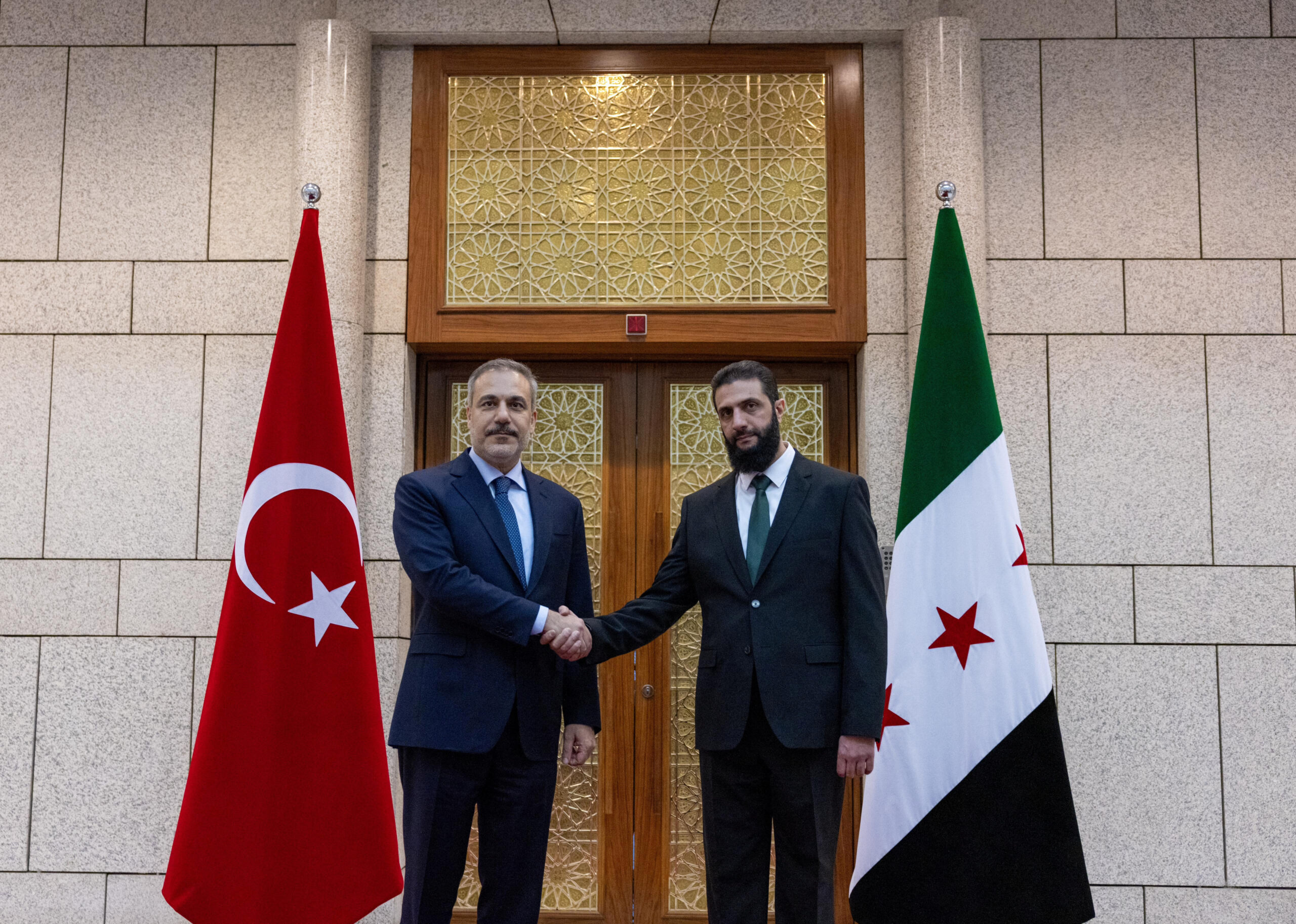
Governance in conflict affected regions is inseparable from security. Local councils courts and service providers often operate under the shadow of armed control. The SDF security issue highlights how blurred lines between civilian administration and military authority complicate accountability and legitimacy.
Delegates emphasized that governance reforms must be matched by security clarity to gain public trust.
Humanitarian Consequences of Insecurity
Humanitarian organizations have long warned that instability disrupts aid delivery and exacerbates civilian suffering. Displacement food insecurity and limited healthcare access remain widespread. The SDF security issue therefore carries humanitarian weight beyond political calculations.
Aid agencies following the Brussels talks hope that clearer frameworks will improve operational access.
Diplomatic Messaging and Signals
Diplomatic language surrounding security matters is closely scrutinized. Statements made in Brussels were parsed for indications of shifting priorities. References to the SDF security issue in official remarks suggested a willingness to engage pragmatically even where disagreements persist.
Such messaging often precedes more substantive behind the scenes dialogue.
External Actors and Strategic Interests
International actors continue to shape the security environment through military presence diplomacy and economic leverage. Their involvement adds layers of complexity to regional talks. The SDF security issue is frequently discussed in relation to these broader strategic interests particularly regarding influence and deterrence.
Observers note that alignment among external stakeholders remains uneven.
Domestic Political Pressures
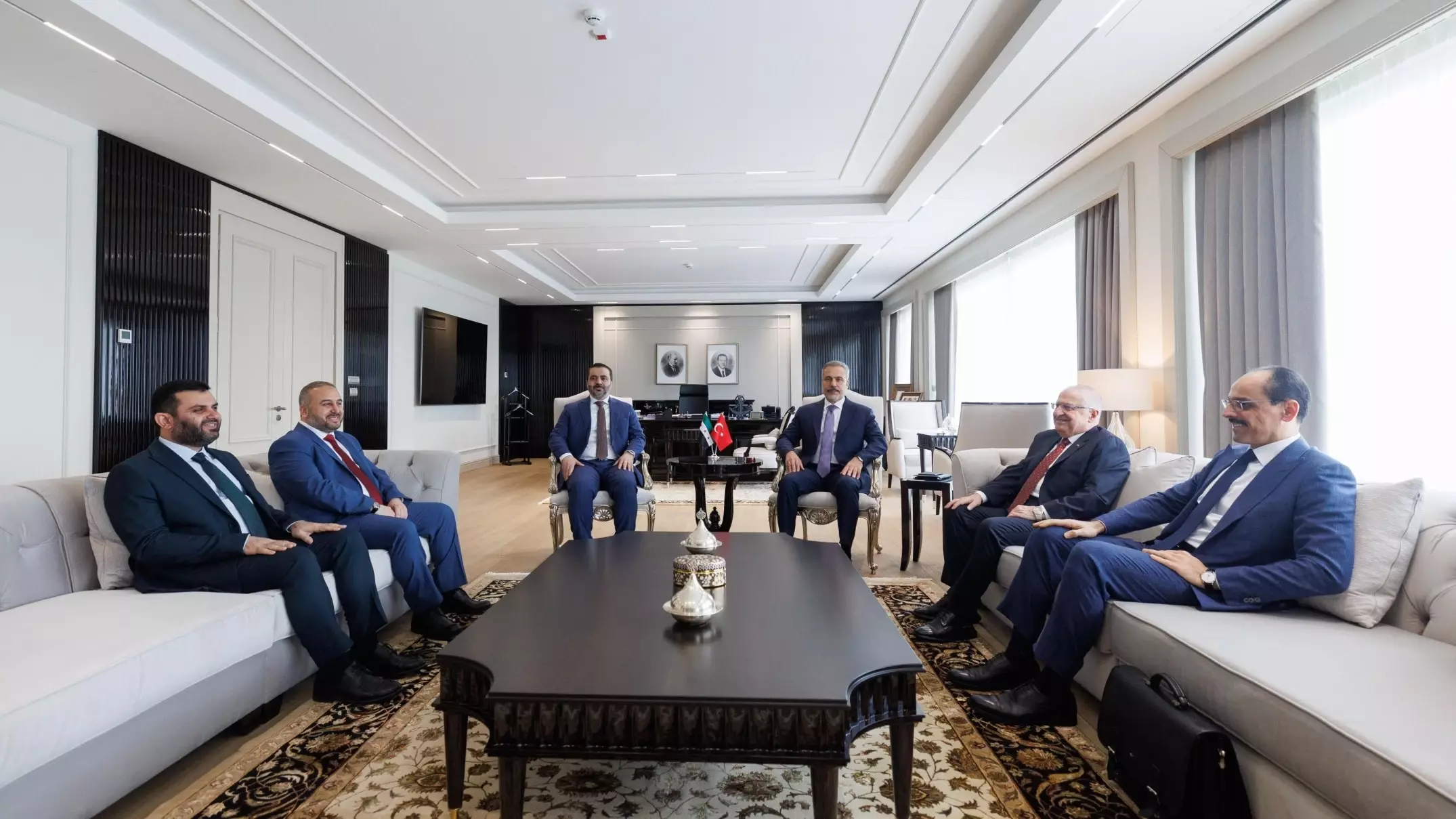
Regional leaders attending the Brussels meetings also face domestic audiences sensitive to security narratives. Public opinion often constrains diplomatic flexibility. The SDF security issue features prominently in domestic debates where concerns about sovereignty and national security resonate strongly.
These pressures shape both tone and substance of negotiations.
Media Coverage and Public Perception
Regional and international media coverage has amplified attention on the Brussels discussions. Headlines framing the SDF security issue as a test of regional cooperation have influenced public expectations.
Analysts caution that media narratives can both encourage accountability and heighten pressure on negotiators.
Confidence Building Measures on the Table
Delegates explored confidence building steps aimed at reducing tensions without forcing immediate structural change. Communication hotlines local coordination mechanisms and monitoring arrangements were among proposals discussed. Addressing the SDF security issue through incremental measures is seen as more feasible than comprehensive agreements.
Such steps are designed to build trust gradually.
Economic Stability and Security
Security conditions directly affect economic activity. Markets agriculture and infrastructure investment depend on predictable environments. The SDF security issue therefore has economic implications for communities seeking recovery after years of disruption.
Delegates highlighted the link between security improvements and livelihood opportunities.
Risks of Escalation
Despite dialogue risks remain high. Local incidents miscommunication or external shocks could rapidly escalate tensions. The SDF security issue remains sensitive due to the presence of multiple armed actors and unresolved political disputes.
Analysts warn that sustained engagement is required to manage these risks.
Regional Cooperation Frameworks
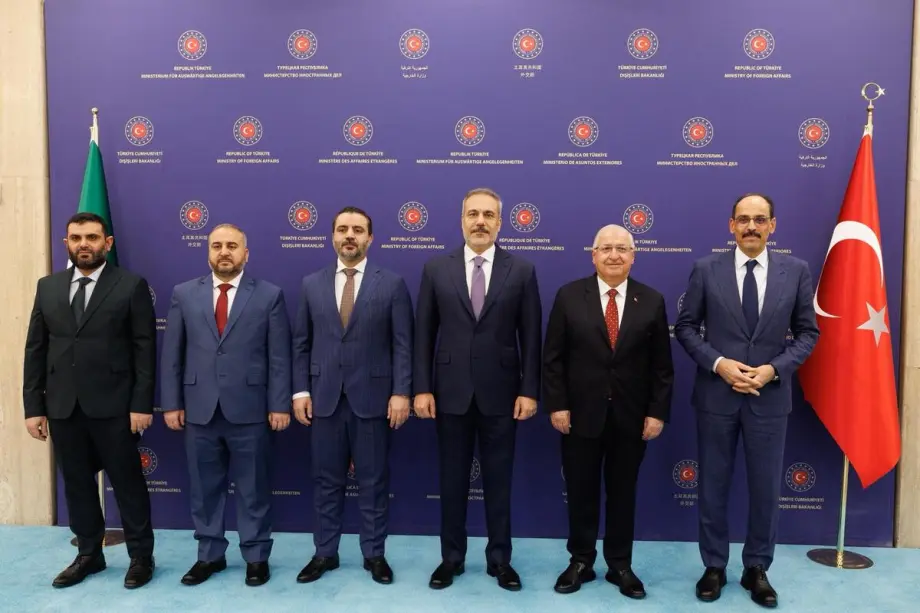
Broader regional cooperation initiatives increasingly intersect with local security debates. Trade border management and counter smuggling efforts all depend on stable conditions. The SDF security issue influences how such frameworks are designed and implemented.
Brussels discussions emphasized the need for coherence across policy areas.
Youth and Social Stability
Years of insecurity have disrupted education and limited opportunities for young people in northeast Syria. Delegates stressed that resolving security challenges is essential for social cohesion. The SDF security issue thus connects to long term stability and the prevention of radicalization.
Investment in education and employment was highlighted as a stabilizing factor.
Regional Leaders Emphasize Caution on Security Path
The remarks reflect a cautious but pragmatic tone emerging from the talks, where officials acknowledged that security arrangements in northeast Syria remain deeply interconnected with governance and humanitarian stability. Delegates emphasized that abrupt shifts could undermine fragile balances on the ground, while gradual coordination may reduce risks over time.
“The SDF security issue cannot be resolved through force alone; it requires sustained dialogue, coordination, and respect for regional sensitivities,”
said a senior regional diplomat familiar with the Brussels discussions. The underscores a shared understanding that progress depends on consistency rather than headline driven decisions, reinforcing the broader diplomatic approach shaping discussions in Brussels during 2026.
Environmental and Infrastructure Challenges
Environmental stress and infrastructure damage compound security problems. Water scarcity electricity shortages and damaged roads strain governance capacity. Participants noted that addressing the SDF security issue must include planning for shared infrastructure projects that benefit civilians.
Such initiatives can demonstrate tangible dividends of cooperation.
Gender Perspectives in Security Discussions
Women’s groups and civil society organizations have increasingly called for inclusion in security dialogues. Participants acknowledged that diverse perspectives strengthen policy outcomes. The SDF security issue was discussed in side sessions focusing on community based security approaches.
Inclusive dialogue is seen as enhancing legitimacy.
International Observation and Support
International observers attending the Brussels meetings assessed how security discussions might shape future assistance. The SDF security issue influences decisions related to humanitarian funding development projects and diplomatic engagement.
Better alignment between political dialogue and international support was emphasized.
Long Term Outlook for Northeast Syria
Looking ahead the future of northeast Syria will depend on whether security arrangements can evolve toward predictability and inclusivity. The SDF security issue remains central to this trajectory.
Observers expect progress to be incremental shaped by regional dynamics and internal developments.
Security Dialogue as a Measure of Regional Responsibility
As talks continue in Brussels in 2026 the SDF security issue stands out as a focal point of regional diplomatic engagement. While immediate breakthroughs remain unlikely the emphasis on sustained dialogue reflects recognition that unmanaged security challenges carry significant costs. Whether cautious engagement can translate into lasting stability will depend on political will coordination and responsiveness to civilian needs.