Beijing, Manila, April 15, 2026 (Parliament Politics Magazine) South China Sea security is under renewed scrutiny after new images indicated that China has taken steps to block access to a contested shoal, escalating tensions in one of the world’s most strategically sensitive maritime regions. The development highlights growing concerns over regional stability and the risk of confrontation.
The move signals a more assertive approach in ongoing territorial disputes and is expected to draw reactions from neighboring countries and global stakeholders.
New Images Suggest Increased Restrictions
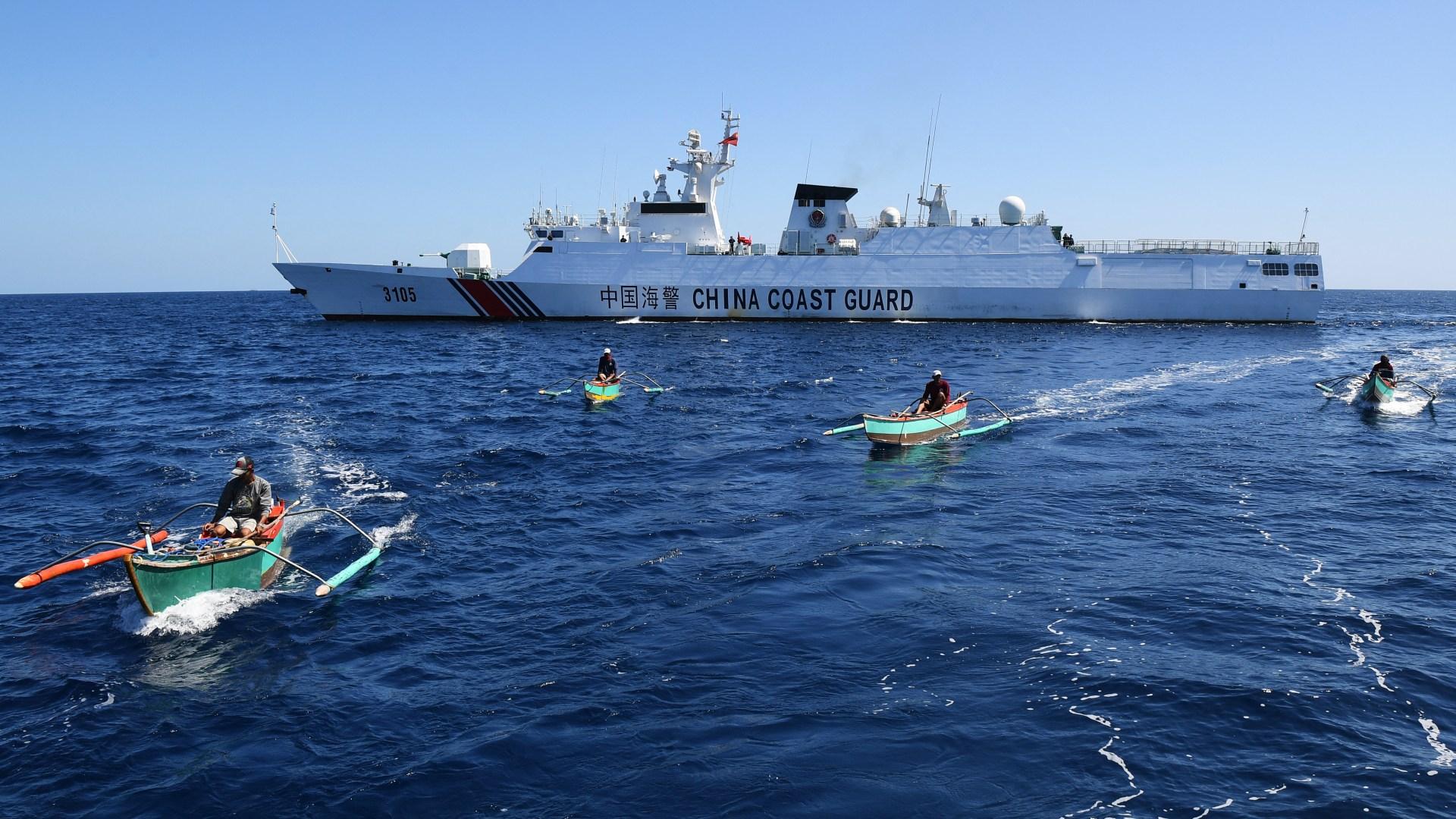
Recent visual evidence suggests that China has deployed barriers or strengthened its maritime presence around the disputed shoal. The latest actions raise questions about South China Sea security and the future of access to contested waters.
Analysts believe these measures are intended to reinforce territorial claims and deter other nations, particularly Philippines, from operating in the area.
A regional expert stated:
“Actions like this directly impact South China Sea security and increase the risk of unintended escalation.”
Strategic Importance of the Region
The issue of South China Sea security extends beyond territorial disputes. The region is one of the busiest maritime corridors in the world, carrying a significant portion of global trade and energy shipments.
Control over key areas can influence:
- Shipping routes
- Fishing rights
- Access to natural resources
- Military positioning
The contested shoal sits at a critical point where these interests intersect, making it a focal point of geopolitical tension.
Philippines and Regional Response
The latest development affecting South China Sea security is expected to prompt a response from Philippines, which has previously challenged China’s actions in disputed waters.
Officials in Manila have consistently emphasized the importance of maintaining open access and respecting international law. Other Southeast Asian nations are also closely monitoring the situation.
A diplomatic source commented:
“Maintaining South China Sea security is essential for regional peace and economic stability.”
Military and Security Implications
The escalation in South China Sea security concerns carries significant military implications. Increased enforcement measures and maritime presence raise the likelihood of encounters between vessels.
Experts warn that this could lead to:
- Increased naval patrols
- Potential confrontations
- Higher military readiness
- Greater involvement of external powers
Such developments highlight the delicate balance required to avoid escalation while protecting national interests.
Global Trade at Risk
The importance of South China Sea security is underscored by its impact on global trade. Any disruption in this critical waterway could have widespread economic consequences.
Potential risks include:
- Delays in shipping routes
- Increased transportation costs
- Supply chain disruptions
- Market volatility
Businesses worldwide are closely watching developments, as stability in the region is crucial for economic continuity.
China’s Strategic Perspective
From Beijing’s viewpoint, actions related to South China Sea security are often framed as necessary to protect sovereignty and national interests. Chinese officials have repeatedly stated that their activities are legitimate and justified.
However, critics argue that such moves could escalate tensions and complicate efforts to resolve disputes peacefully.
A geopolitical analyst noted:
“The challenge for South China Sea security is balancing assertiveness with stability.”
Calls for Diplomatic Engagement
As concerns over South China Sea security grow, there are increasing calls for diplomatic solutions. Regional organizations and international bodies have emphasized the importance of dialogue and adherence to international law.
Efforts to establish a framework for managing disputes have been ongoing, but progress has been slow. The latest developments may add urgency to these negotiations.
Future Outlook Remains Uncertain
The future of South China Sea security remains uncertain as tensions continue to evolve. While the current situation reflects increased assertiveness, it also highlights the need for sustained diplomatic engagement.
Key factors that could shape the outcome include:
- Responses from regional governments
- Changes in military activity
- International mediation efforts
- Policy decisions by major powers
Rising Tensions Threaten Key Global Route
The latest developments in South China Sea security highlight growing tensions as China moves to block access to a disputed shoal. The move raises concerns about regional stability, global trade, and the risk of conflict.
With expected responses from Philippines and other stakeholders, the situation remains fluid. The coming weeks will be critical in determining whether tensions escalate or move toward resolution.