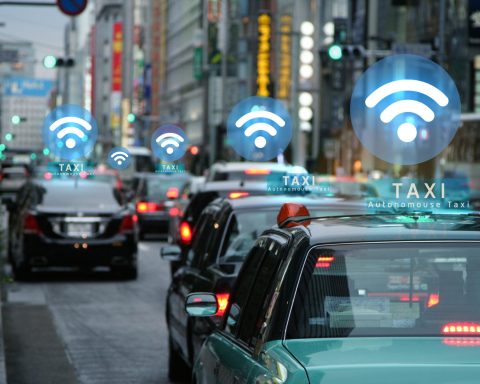
Beijing, Washington, March 22, 2026, Parliament Politics Magazine, Tencent AI strategy is emerging as a dominant force in 2026, signaling a major shift in the global technology landscape while coinciding with the resignation of a top US counterterrorism official protesting Washington’s escalating war stance toward Iran. The convergence of these developments highlights a world increasingly shaped by both technological ambition and geopolitical instability.
Tencent’s integration of advanced AI systems into WeChat reflects a calculated move to expand influence, while the US resignation underscores growing internal concerns about foreign policy direction.
Tencent Expands Its AI Ecosystem
The Tencent AI strategy centers on embedding artificial intelligence into its core platforms, particularly WeChat, which already serves as a digital hub for communication, payments, and services.
By integrating AI-driven tools such as OpenClaw, Tencent aims to enhance user interaction, automate services, and deliver predictive experiences at scale. This approach is seen as a significant leap forward in creating a fully integrated digital ecosystem.
A technology analyst noted:
“Tencent AI strategy is about control and scale—bringing AI into everyday life for millions of users simultaneously.”
This expansion positions Tencent as a key player in the rapidly evolving global AI race.
Global Tech Rivalry Intensifies
The Tencent AI strategy is unfolding amid an increasingly competitive environment between global technology leaders. Nations are investing heavily in AI capabilities, recognizing their importance for economic growth, innovation, and national security.
Western governments have expressed concern over the implications of China’s AI advancements, particularly regarding data security and technological influence.
The integration of AI into widely used platforms like WeChat amplifies these concerns, as it combines massive user bases with advanced analytics and automation capabilities.
US Official Resignation Signals Policy Divide
As the Tencent AI strategy gains momentum, the resignation of a senior US counterterrorism official has added a critical dimension to the unfolding situation.
The official reportedly stepped down in protest against the US government’s approach to escalating tensions with Iran, warning that current strategies could lead to unintended consequences.
A source familiar with the matter stated:
“This resignation reflects a deeper concern about how quickly the situation is escalating without a clear long-term strategy.”
The departure highlights internal divisions within the US national security framework at a time of heightened global uncertainty.
Technology Meets Geopolitics
The overlap between the Tencent AI strategy and rising geopolitical tensions illustrates how technology and politics are becoming increasingly interconnected.
Artificial intelligence is no longer confined to commercial applications—it now plays a critical role in intelligence gathering, cybersecurity, and military planning.
As countries compete for technological dominance, the risks associated with geopolitical conflict are also increasing.
Concerns Over Data and Influence
The Tencent AI strategy has sparked ongoing debates about privacy, data usage, and digital sovereignty. With AI systems processing vast amounts of user data, questions remain about how this information is managed and protected.
Critics argue that the integration of AI into large-scale platforms could enhance surveillance capabilities, while supporters emphasize the benefits of innovation and efficiency.
This debate is likely to intensify as AI becomes more deeply embedded in daily life.
Economic Impact and Market Reaction
The Tencent AI strategy is expected to have far-reaching economic implications. By strengthening its technological capabilities, Tencent could gain a competitive edge in global markets.
Investors are closely monitoring these developments, as AI integration often drives growth in the technology sector.
However, the broader geopolitical context—including the US official’s resignation—adds an element of uncertainty, potentially affecting market stability.
Political Pressure and Strategic Questions
The Tencent AI strategy has also triggered political discussions in multiple countries. Policymakers are grappling with how to regulate AI technologies while maintaining competitiveness.
In Washington, the resignation has intensified scrutiny of foreign policy decisions, with calls for greater transparency and oversight.
These parallel developments are shaping a complex narrative that combines technological advancement with political tension.
What Happens Next?
As the Tencent AI strategy continues to evolve, several critical questions remain:
- Will global tech competitors accelerate their AI initiatives?
- How will governments respond to rapid AI integration?
- Can geopolitical tensions be managed alongside technological growth?
The answers to these questions will influence the future of both technology and international relations.
Power, Technology, and Tension”
The Tencent AI strategy represents a transformative moment in the global technology race, combining innovation with strategic ambition. At the same time, the resignation of a top US counterterrorism official over Iran-related tensions highlights growing instability on the geopolitical front.
Together, these developments underscore a world where technological power and political decisions are deeply intertwined, shaping the future of global influence and security.