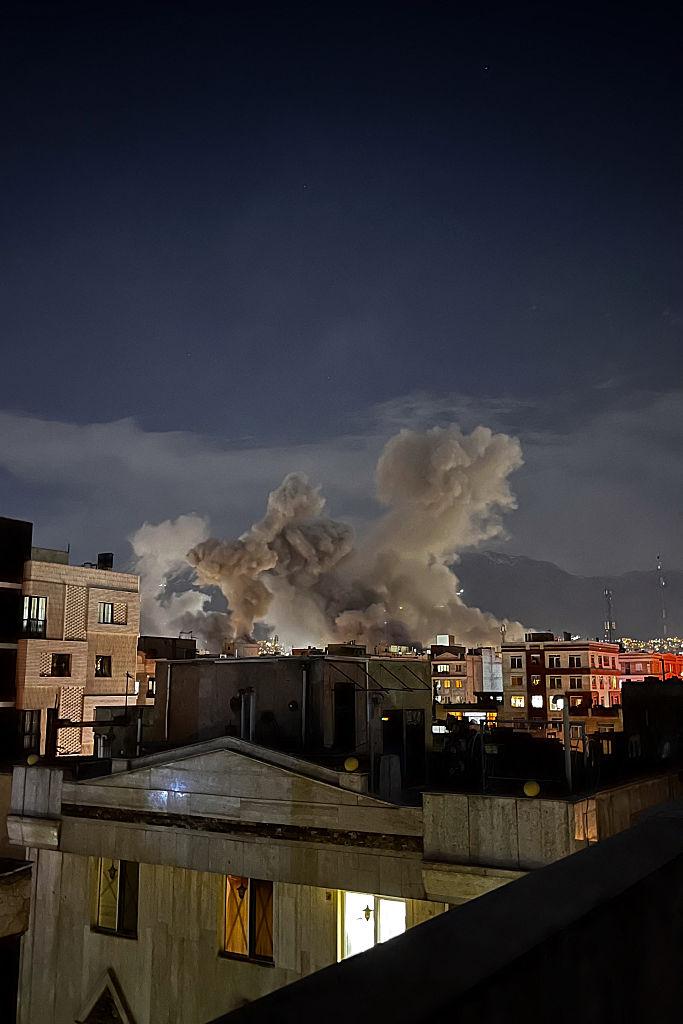
Satellite images Iran strikes reveal visible infrastructure damage near Tehran in March 2026.
High resolution imagery shows fire patterns and structural impact at key facilities.
Global leaders call for restraint as analysts assess strategic consequences.
TEHRAN, Iran – March 3, 2026 — Parliament News confirms that newly released satellite images Iran strikes captured in early March 2026 show visible structural damage and fire signatures at facilities near Tehran following reported coordinated military operations. The satellite images Iran strikes assessment provides the clearest independent visual evidence to date of impact zones linked to recent escalation.
High resolution frames from commercial orbital platforms reveal scorched rooftops, debris patterns, and concentrated burn areas consistent with precision targeting. While officials have not disclosed full operational details, analysts say the satellite images Iran strikes offer measurable confirmation of infrastructure disruption.
Global markets, diplomatic channels, and regional defense planners are closely examining the imagery for insight into scale and consequence.
Orbital Evidence and Impact Zones Identified
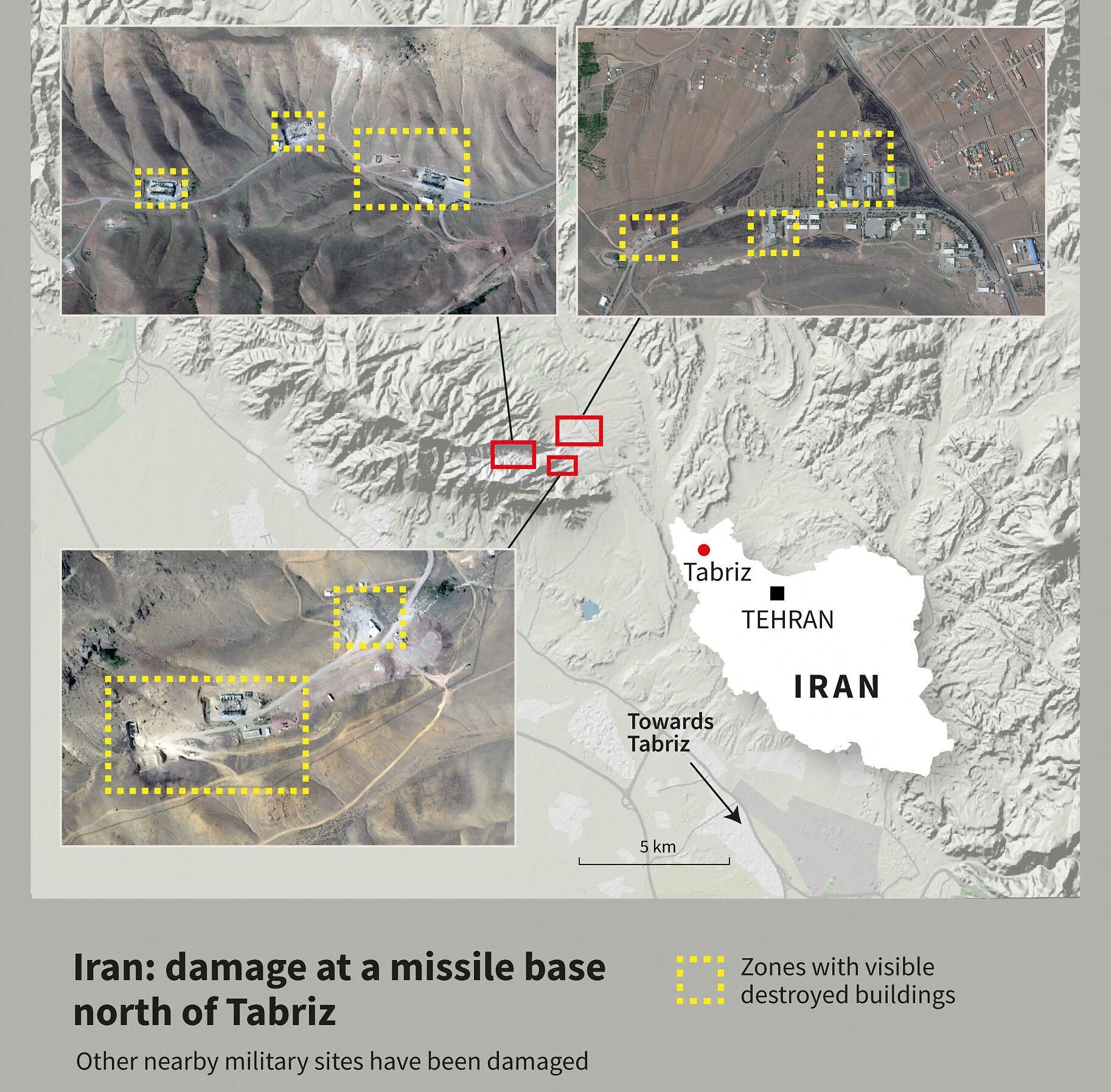
Independent analysts reviewing the satellite images Iran strikes highlight distinct changes between archived imagery and newly captured frames. Side by side comparisons show collapsed roof sections and blackened ground surfaces at specific sites.
Geospatial verification confirms coordinates align with previously identified logistical and naval support facilities. Experts caution that satellite imagery reflects surface level evidence and does not reveal internal structural integrity.
Nevertheless, the clarity of the satellite images Iran strikes indicates focused impact rather than diffuse damage.
Naval Infrastructure Assessment
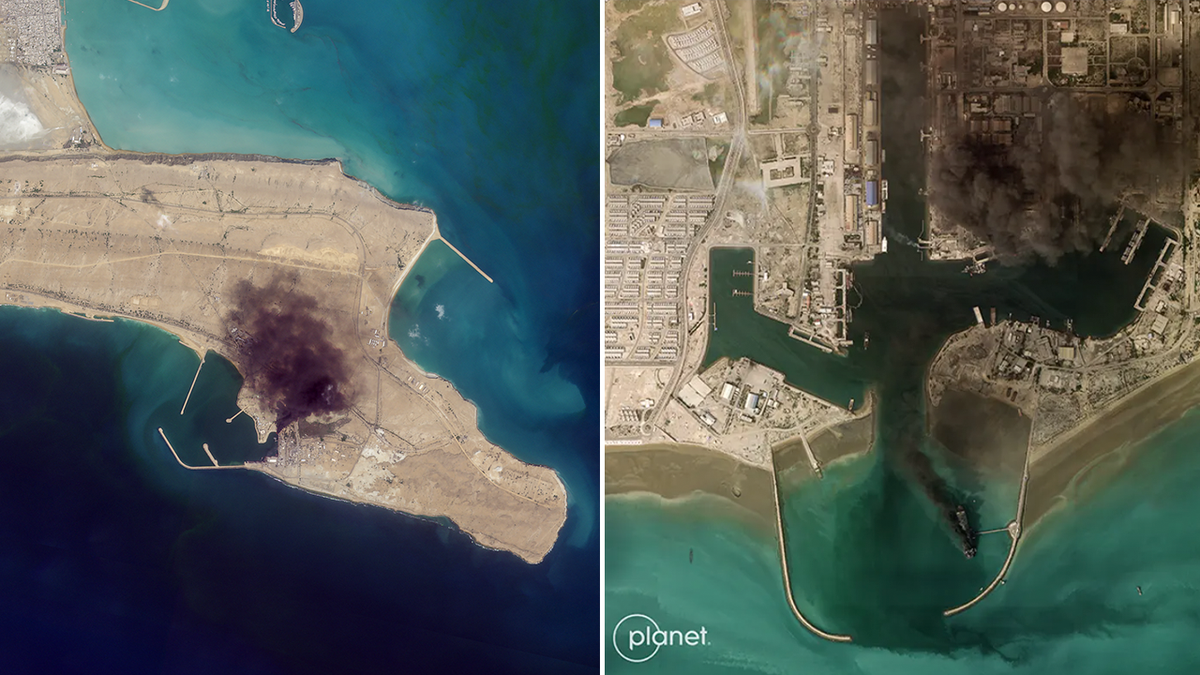
Several of the most detailed frames point to damage at a coastal installation believed to support maritime operations. Analysts examining the satellite images Iran strikes observe disruption near docking infrastructure and adjacent warehouses.
Maritime tracking services recorded temporary decreases in vessel traffic in proximity to the affected zone. Defense specialists suggest that even partial disruption to naval logistics can influence regional operational tempo.
Repair timelines remain uncertain pending further confirmation.
Thermal Signatures and Fire Activity
Infrared overlays included in the satellite images Iran strikes show persistent heat anomalies in targeted sectors. Experts interpret these signatures as evidence of ongoing combustion or recently extinguished fires.
Fuel storage areas appear among the impacted zones. Analysts note that secondary ignition often occurs when precision strikes intersect supply depots.
The presence of concentrated heat signatures strengthens assessments of structural compromise.
Strategic Military Implications
Security experts argue that the satellite images Iran strikes may alter regional deterrence calculations. Visible damage to logistics nodes can affect supply chains and readiness capacity.
Military planners across neighboring states are evaluating defensive posture adjustments. Intelligence monitoring remains elevated amid concerns of retaliatory action.
While no additional strikes have been confirmed at publication time, regional readiness levels remain heightened.
Diplomatic Reactions and International Response
The release of the satellite images Iran strikes prompted swift diplomatic engagement. Several governments called for de escalation and restraint.
A senior European diplomat stated,
“Visual confirmation increases urgency for dialogue because images can harden political positions.”
International organizations have initiated consultations aimed at preventing broader confrontation.
Markets responded cautiously but avoided sustained volatility.
Economic and Energy Market Impact
Energy analysts note that port disruptions can influence shipping insurance rates and trade logistics. Although commercial shipping continues, traders remain attentive to security updates.
Financial markets reflected measured reaction following circulation of the satellite images Iran strikes. Equity indices remained stable, while energy futures saw limited fluctuation.
Long term economic impact will depend on repair timelines and diplomatic stabilization.
Independent Verification and Open Source Analysis
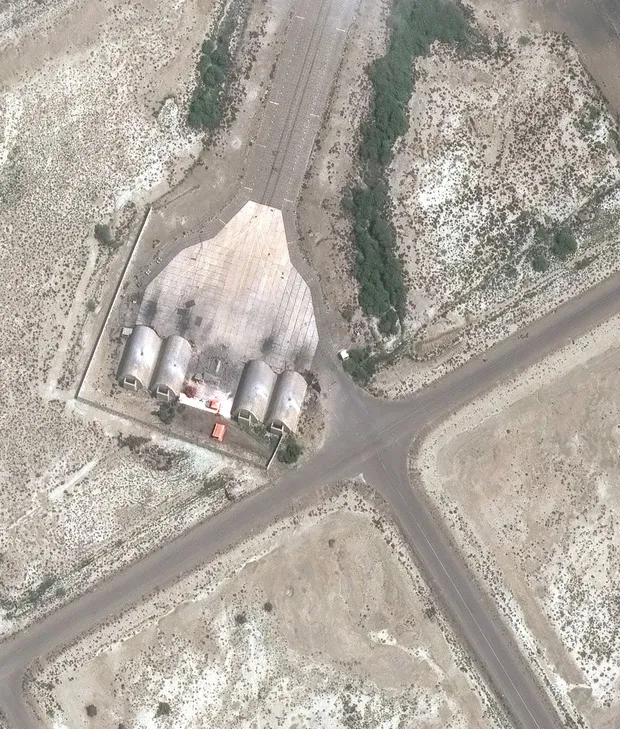
Open source intelligence communities have begun analyzing metadata and shadow positioning within the satellite images Iran strikes to verify authenticity.
Comparative studies with previous imagery show clear structural differences. Independent verification is critical in preventing misinformation during high tension periods.
Transparency in analysis methodology enhances credibility and reduces speculation.
Government Statements and Official Position
Iranian officials acknowledged localized incidents but emphasized operational continuity. Authorities described the situation as manageable and under control.
A regional security analyst noted,
“Satellite imagery offers clarity on visible damage, but strategic outcomes depend on political decisions taken next.”
Governments involved have not released detailed assessments of operational capability impact.
Civilian and Environmental Monitoring
Humanitarian groups are reviewing air quality data and infrastructure safety near visible impact zones. No widespread displacement has been confirmed at this stage.
Local authorities continue inspecting nearby facilities to ensure structural stability. Environmental teams are assessing potential fuel related contamination.
Community safety remains a priority amid heightened security conditions.
Technology’s Role in Modern Conflict Transparency
Satellite platforms have transformed how global audiences interpret military developments. The satellite images Iran strikes demonstrate the power of commercial imagery in shaping public understanding.
Analysts note that visual evidence can influence diplomatic tone and international discourse. However, careful interpretation remains essential to avoid overstatement.
Technology continues to narrow the gap between battlefield events and public awareness.
Historical Context of Satellite Based Assessments
Satellite imagery has played a central role in documenting conflicts over the past three decades. From regional wars to targeted operations, orbital evidence has provided independent verification.
The satellite images Iran strikes follow this historical pattern, offering visual confirmation that complements official statements.
Previous incidents show that imagery can accelerate diplomatic engagement by providing tangible reference points.
Strategic Repair and Recovery Outlook
Defense engineers emphasize that naval facilities often incorporate reinforced structures allowing partial restoration within months. Visible roof damage does not automatically translate into full operational shutdown.
Resource allocation, construction capacity, and supply chain stability will influence repair timelines.
Analysts caution against assuming permanent degradation based solely on surface imagery.
Information Environment and Global Perception
Images can shape narratives rapidly. The satellite images Iran strikes have circulated widely across media platforms, intensifying scrutiny.
Diplomatic leaders are mindful that visual documentation may influence domestic public opinion and international alliances.
Responsible communication remains essential to avoid inflaming tensions.
Security Outlook in 2026
March 2026 has emerged as a defining period for regional security dynamics. The satellite images Iran strikes provide tangible insight into recent events but leave open questions about future trajectory.
Diplomatic engagement continues at multiple levels. Military readiness remains elevated but stable.
Global observers await further updates as additional imagery becomes available.
A Visual Inflection Point in Regional Tensions
The satellite images Iran strikes represent a pivotal informational development in Tehran during 2026. While complete operational impact remains under review, visible infrastructure disruption is clear.
Markets remain attentive. Diplomats remain engaged. Analysts continue evaluating new data.
As Brussels Morning Newspaper continues coverage, the emphasis remains on verified information, contextual analysis, and balanced reporting during a sensitive geopolitical moment.