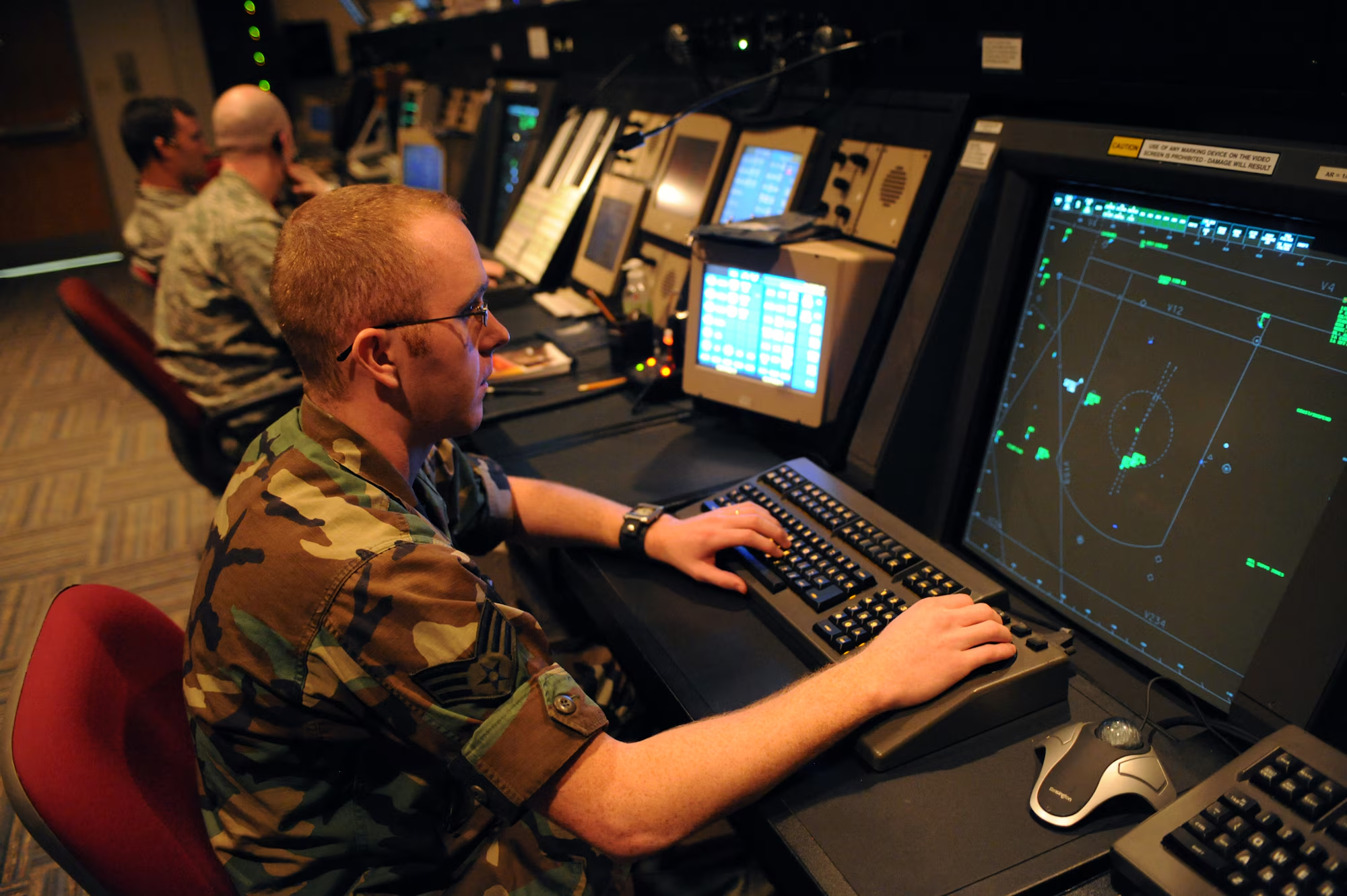
Pentagon statement Iran dominates Washington March 4 2026 briefing as officials outline expanding air control strategy.
Defense leaders say operational momentum is shifting in favor of US forces.
Global markets and regional allies are closely watching developments.
WASHINGTON, March 4, 2026 – Parliament News — The Pentagon statement Iran delivered today in Washington March 4 2026 outlined what US defense leaders described as measurable gains in operational positioning and expanding influence over contested airspace. Senior officials emphasized coordinated military planning, technological superiority, and strategic communication as the pillars guiding current actions.
According to defense officials, the Pentagon statement Iran signals a critical phase in ongoing tensions, with leadership expressing confidence that air dominance objectives could be achieved within days if conditions remain stable.
Strategic Airspace Objectives Take Center Stage
The Pentagon statement Iran placed air superiority at the core of its operational roadmap. Officials explained that securing control over contested airspace enhances protection for personnel, improves intelligence collection, and reduces uncertainty across the theater of operations.
Air dominance is not merely symbolic. Military planners described it as foundational to operational flexibility. Once achieved, it allows surveillance aircraft, supply movements, and defensive systems to function with reduced exposure to threat.
Defense analysts observing the briefing noted that achieving consistent control of airspace often reshapes the broader strategic landscape. The Pentagon statement Iran emphasized that current operations focus on precision, restraint, and deterrence rather than expansion.
Technology and Coordination Shape the Battlefield
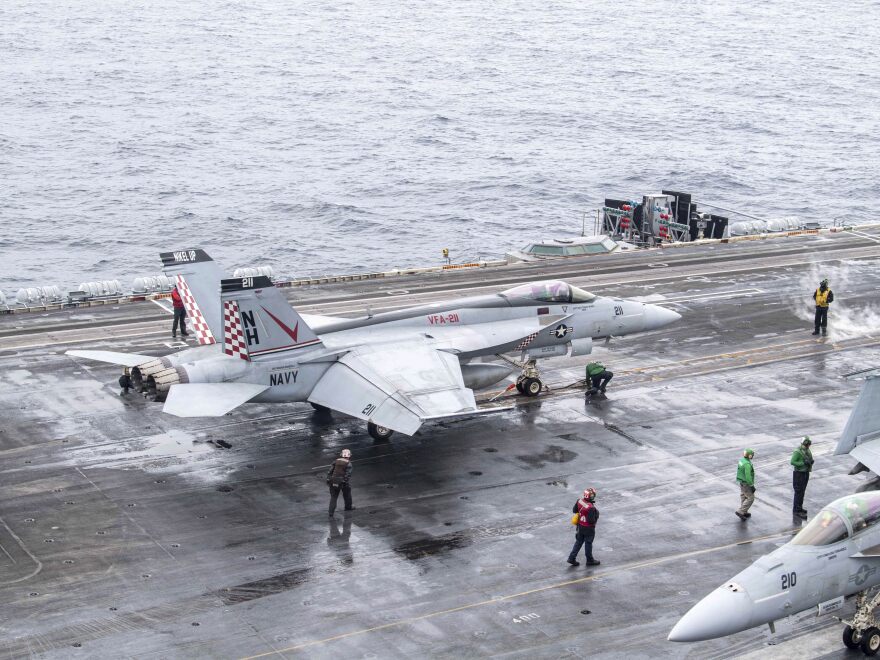
Another major theme of the Pentagon statement Iran involved the integration of advanced aircraft systems, real time intelligence networks, and joint force coordination. Officials described how rapid data sharing between air, sea, and cyber units has strengthened response capabilities.
Stealth aircraft and electronic warfare platforms were cited as critical tools supporting the mission. Leaders stressed that technology alone does not guarantee success, but synchronized execution across branches creates strategic leverage.
A senior defense official stated,
“Our objective is stability through strength, and every action we take is designed to prevent broader escalation.”
This remark underscored the balancing act between demonstrating resolve and maintaining diplomatic space.
Regional Reactions and Diplomatic Channels
The Pentagon statement Iran quickly reverberated beyond Washington. Regional governments have engaged in consultations with US officials to clarify intentions and assess implications. Some allies interpret the developments as reassurance, while others urge de escalation.
Energy markets responded cautiously, reflecting the sensitivity of global supply routes that pass through the region. Analysts note that geopolitical uncertainty can influence pricing even without direct disruption.
Diplomatic communication remains active. Officials reiterated that military positioning does not eliminate the possibility of negotiation. Instead, they argue that it strengthens bargaining leverage.
Domestic Political Debate Intensifies
Within the United States, the Pentagon statement Iran has sparked robust debate. Supporters in Congress describe the posture as necessary for national security and regional deterrence. Critics question the long term costs and potential for entanglement.
Defense leaders pledged transparency through regular briefings and oversight engagement. Lawmakers across party lines requested continued updates to ensure clarity about objectives and exit strategies.
Public opinion remains divided, reflecting broader national conversations about foreign policy priorities.
Economic Ripple Effects and Market Watch
Financial markets monitored the Pentagon statement Iran closely. Investors weighed potential impacts on energy, defense, and transportation sectors. While no immediate disruption was confirmed, volatility signals heightened caution.
Global stock exchanges in Europe and Asia displayed mixed performance following the announcement. Economists emphasize that prolonged uncertainty can affect consumer confidence and trade flows.
Energy analysts noted that shipping lanes remain operational, though contingency planning has intensified across several industries.
Military Planning and Contingency Frameworks
Defense officials described layered contingency plans during the Pentagon statement Iran briefing. These include rapid response protocols, defensive reinforcements, and enhanced surveillance.
Military experts suggest that modern engagements rely heavily on deterrence signaling. By communicating capabilities clearly, leaders aim to reduce the likelihood of miscalculation.
A second senior official added,
“Deterrence is strongest when intentions are transparent and capabilities are understood.”
This quote highlighted the strategic messaging embedded within the broader announcement.
Global Institutions Call for Stability
International organizations have urged restraint following the Pentagon statement Iran. Diplomatic representatives emphasized the importance of dialogue, especially in regions historically sensitive to escalation.
Allied governments reaffirmed security partnerships while encouraging balanced responses. The broader international community remains attentive to both military movements and diplomatic overtures.
Global stability often depends on clear communication. Analysts believe measured rhetoric can prevent misunderstandings during tense periods.
HISTORY – Air Superiority in Modern Conflict
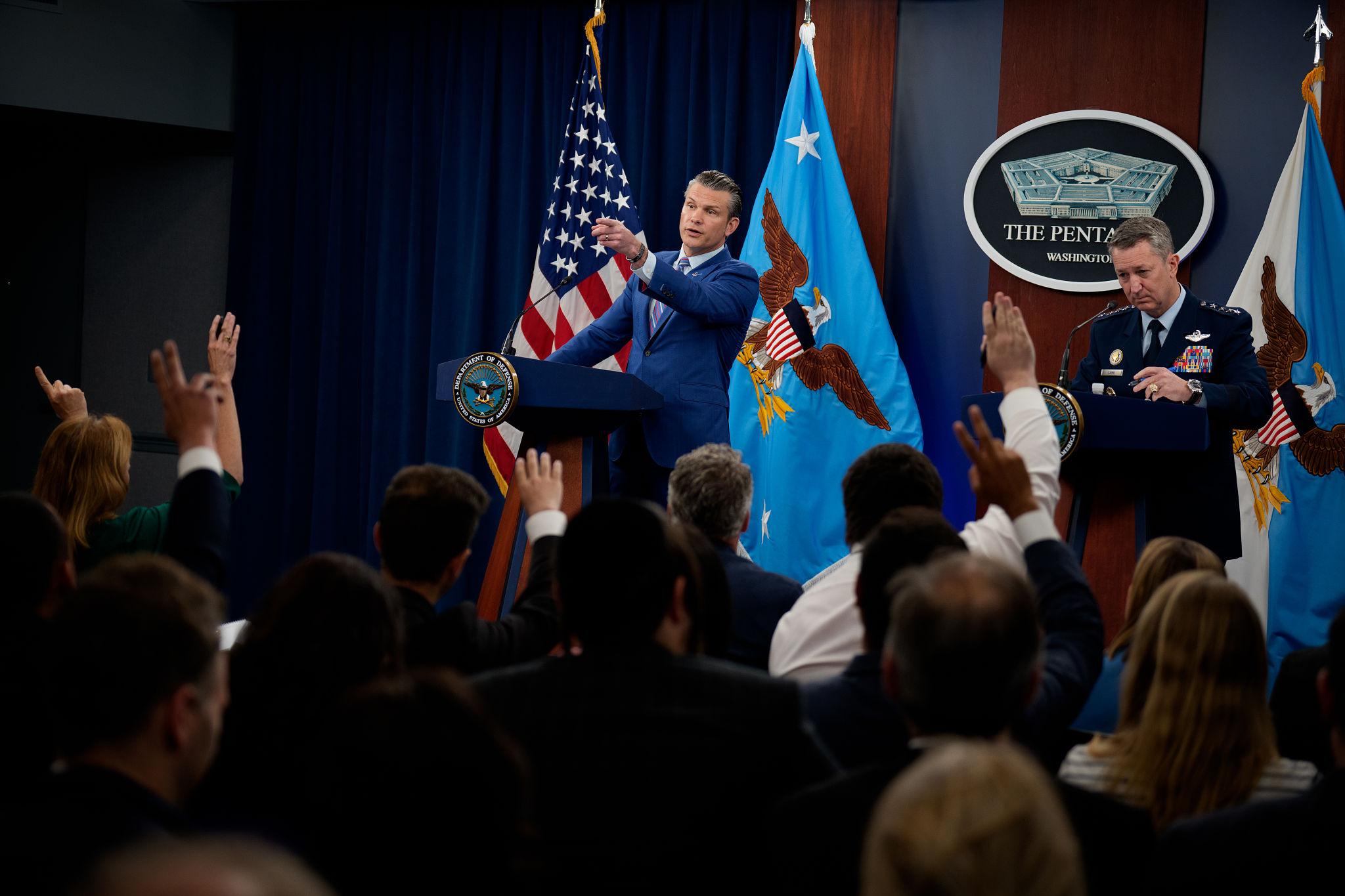
History demonstrates that air superiority frequently determines the trajectory of modern military engagements. From late twentieth century operations to early twenty first century campaigns, establishing dominance in the skies has often preceded broader strategic objectives.
Control of airspace provides intelligence advantages, limits adversary mobility, and enhances defensive security. However, historical lessons also show that air dominance alone does not resolve political disputes.
The Pentagon statement Iran appears informed by these precedents, combining technological capability with strategic caution. Military historians emphasize that long term outcomes typically depend on diplomacy as much as battlefield dynamics.
Communication Strategy and Public Messaging
The tone of the Pentagon statement Iran reflected deliberate communication planning. Officials avoided inflammatory language while projecting confidence. They emphasized protection of forces, safeguarding allies, and preventing regional destabilization.
A third defense leader remarked,
“We remain committed to measured action and responsible leadership during this critical period.”
This statement reinforced the administration’s effort to present stability and resolve simultaneously.
Media coverage has focused on claims of expanding air control and strategic coordination. Analysts caution that evolving situations require continuous monitoring rather than fixed conclusions.
Operational Outlook in the Days Ahead
Looking forward, the Pentagon statement Iran indicated that daily assessments will shape subsequent decisions. If projected milestones are achieved, leadership may transition from active positioning to stabilization efforts.
Defense analysts observe that achieving operational objectives does not automatically eliminate risk. Regional dynamics can shift rapidly based on political or tactical developments.
Officials emphasized readiness and flexibility. The coming days may determine whether the current phase leads toward de escalation or extended engagement.
Broader Implications for 2026 Geopolitics
In Washington March 4 2026, the Pentagon statement Iran represents more than a military update. It reflects a broader geopolitical recalibration shaped by alliances, technology, and economic interdependence.
Observers note that the Middle East remains central to global energy markets and strategic transit routes. Developments in this region often carry worldwide consequences.
As 2026 unfolds, governments will likely continue balancing deterrence with diplomacy. The trajectory set by the Pentagon statement Iran may influence policy decisions well beyond immediate operational goals.
Strategic Crossroads in a Connected World
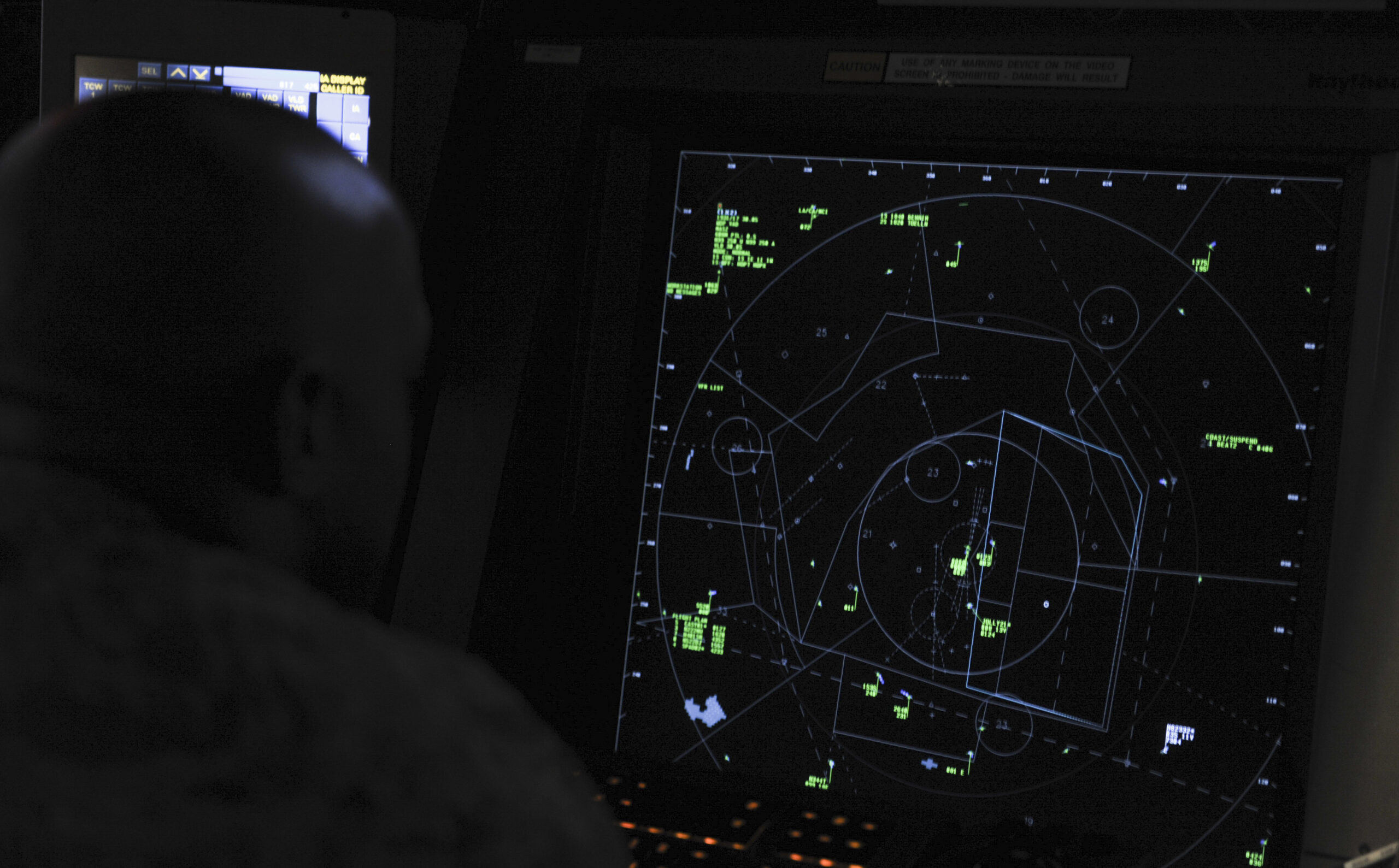
The events surrounding Washington March 4 2026 underscore how interconnected military, economic, and diplomatic systems have become. The Pentagon statement Iran serves as a reminder that modern strategy extends beyond battlefield outcomes.
Whether the objective of expanded air control is realized within days remains to be seen. Defense leaders project confidence, yet emphasize caution.
For now, global attention remains fixed on Washington as policymakers navigate a complex and rapidly evolving landscape.