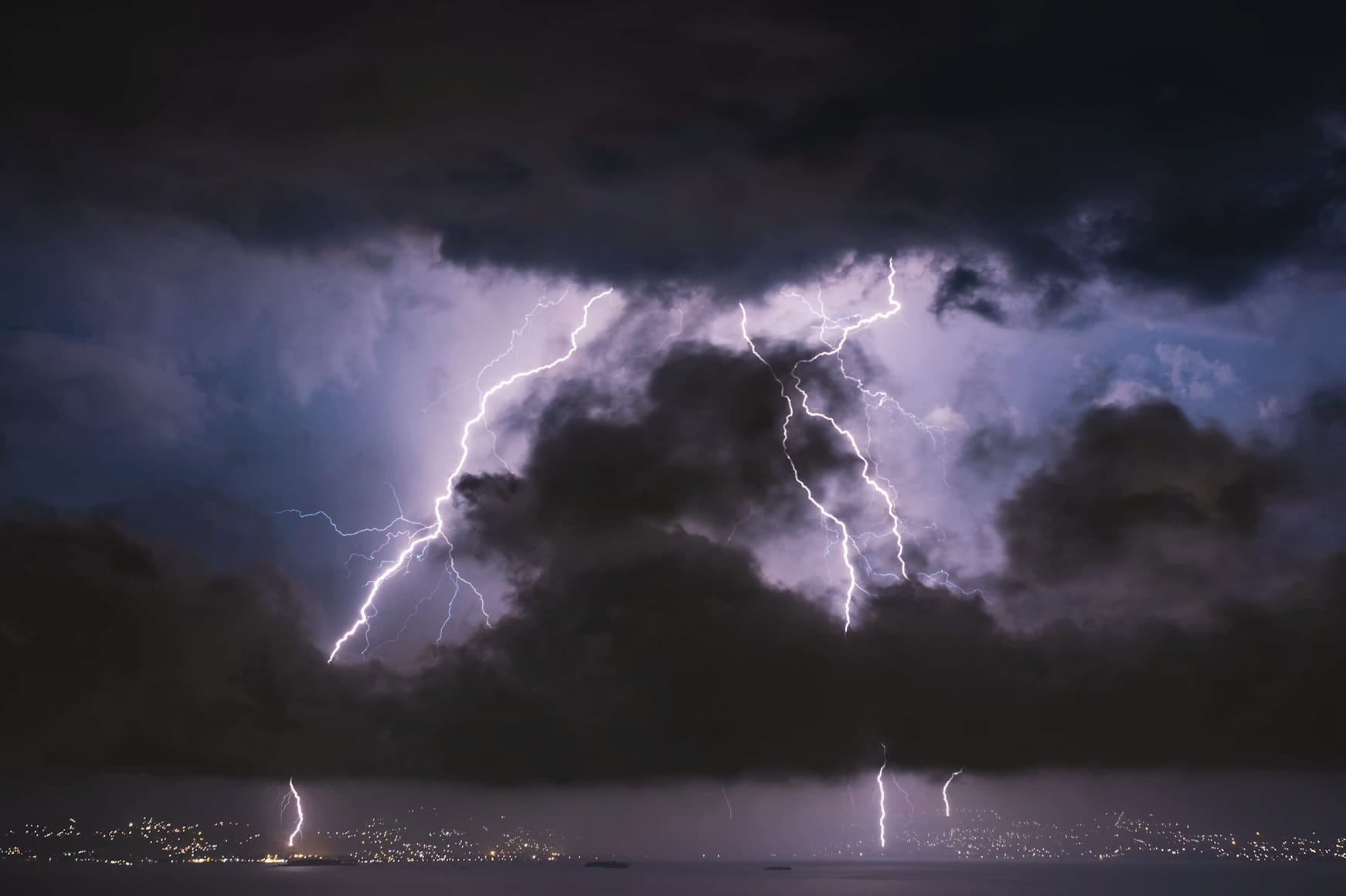
LONDON, June 27 (Parliament Politics Magazine) – Severe thunderstorms have swept across southeastern England and mainland Europe, resulting in significant travel disruption for hundreds of thousands of passengers. More than 900 flights at London’s Heathrow Airport and Gatwick Airport faced delays or cancellations as adverse weather conditions forced a tightening of airspace safety protocols throughout Saturday.
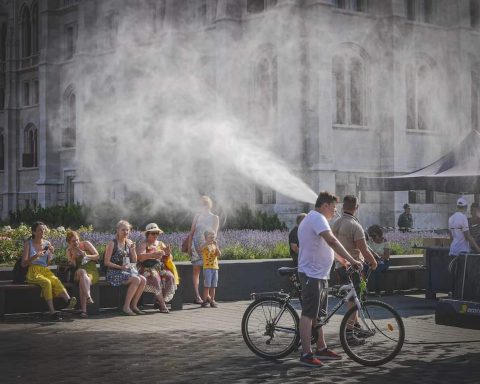
The meteorological disturbance arrived immediately following a record-breaking heatwave that saw temperatures in the United Kingdom peak at 37.3°C in Suffolk. This dramatic shift in atmospheric pressure created a broad area of hot, unstable air stretching from northern Spain to southern Sweden, facilitating the rapid development of intense storm cells that impacted international flight paths.
According to data provided by the flight tracking service FlightAware, Heathrow Airport recorded more than 474 delayed flights, while Gatwick Airport saw 439 disruptions. Many passengers reported waiting for up to 11 hours, with some travelers experiencing total flight cancellations as airlines struggled to manage the resulting gridlock across their networks.
Air Traffic Control Implements Restrictions
The UK’s National Air Traffic Services, known as NATS, acted early to maintain safety standards in the crowded skies above the capital. By implementing temporary air traffic restrictions, controllers forced pilots to bypass active storm cells and mandated increased spacing between aircraft. This move effectively limited the number of planes that could safely operate, leading to a cascading effect of delays across the continent.
Eurocontrol, the European aviation safety agency, highlighted that the most severe airspace congestion occurred in the corridor between southeastern England and northwestern Europe. While the storms were concentrated in these regions, the impact forced rerouting for a significant number of international arrivals and departures.
NATS released an updated statement regarding the ongoing situation, noting the necessity of these safety measures.
“To ensure the safety of the travelling public, aircraft need to avoid affected areas and be spaced further apart, which limits the number of flights that can operate safely,” the statement said.
While the service anticipates that UK airspace will see clearer conditions on Sunday, officials have warned that persistent storm clusters moving across mainland Europe may cause continued knock-on routing delays for international carriers.
Passenger Experiences
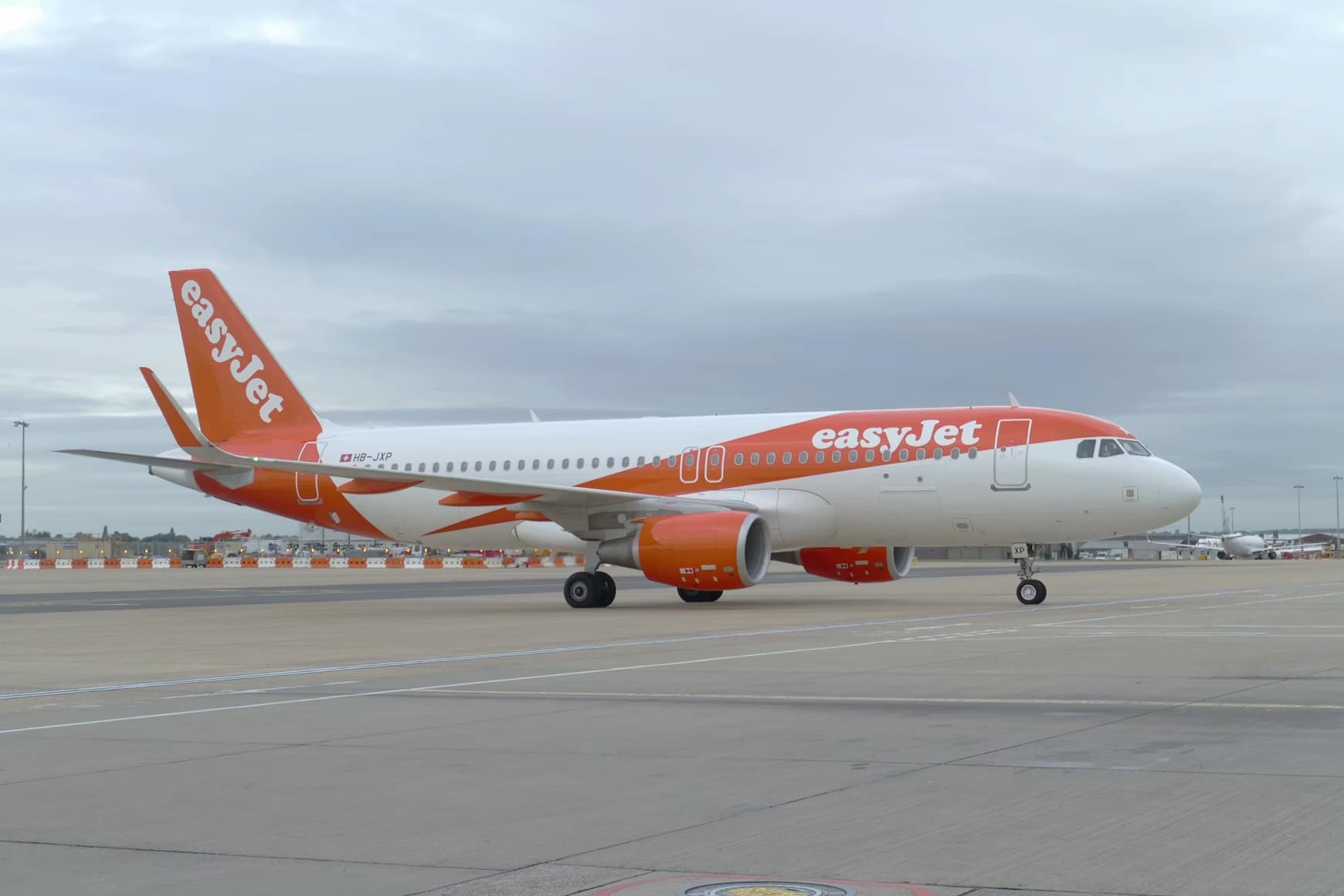
The scale of the disruption left many passengers stranded at both domestic and international terminals. Some travelers reported a lack of clear communication from their respective airlines, while others faced logistical hurdles in reaching their final destinations. EasyJet, one of the primary carriers affected, chose to pre-emptively cancel a block of its Gatwick routes to mitigate further strain on its operational schedule.
British Airways and EasyJet have issued apologies to affected travelers, confirming they are actively working to rebook passengers and arrange hotel accommodations and meals where necessary. Despite the widespread frustration caused by the long wait times, aviation regulations classify severe weather as an extraordinary circumstance. This designation generally exempts airlines from paying cash compensation for delays caused by these specific atmospheric conditions, though carriers remain legally obligated to provide care and assistance to grounded passengers.
Ongoing Safety Protocols
The logistical burden on airports is compounded by strict safety protocols triggered by electrical activity. Ground crews at major hubs typically follow a “Ramp Freeze” procedure when lightning is detected within a 3 to 5-mile radius of the airport. This protocol requires all ground staff to abandon the tarmac immediately, halting baggage handling, refueling, and aircraft pushbacks. Even after a storm cell passes, the mandatory pause creates a significant backlog that takes hours to clear.
Meteorologists have issued an amber warning for extreme heat that remains in place until Sunday morning for parts of eastern and southeastern England. Meanwhile, Eurocontrol continues to monitor a “large degree of uncertainty” regarding the movement of unstable air masses over the continent.
Travelers are advised to check their real-time flight status directly through their airline websites or official airport apps before departing for the airport. While the immediate danger of the storm cells in the UK is expected to subside, the uncertainty surrounding European flight paths suggests that the aviation industry may face continued operational challenges into the coming week.