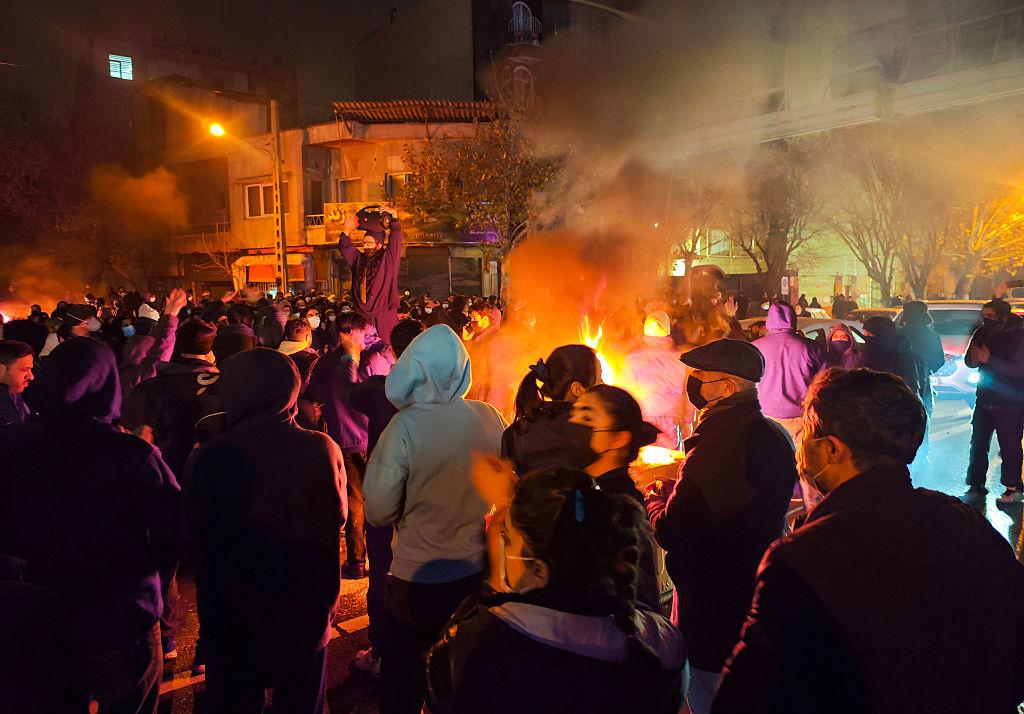
Tehran, Iran — March 18, 2026 — Parliament Politics Magazine — Tehran protests today have intensified across the Iranian capital as thousands of citizens poured into the streets following the deaths of prominent national figures, including Ali Larijani and Gholamreza Soleimani, in Israeli-linked strikes. The unfolding situation reflects a nation in mourning while simultaneously confronting rising geopolitical tensions that are drawing global attention.
The protests began shortly after news of the strikes spread, triggering emotional gatherings that quickly evolved into large-scale demonstrations. The atmosphere in Tehran is now defined by grief, anger, and uncertainty as the country faces one of its most volatile m oments in recent years.
Mourning Turns Into Mass Demonstrations
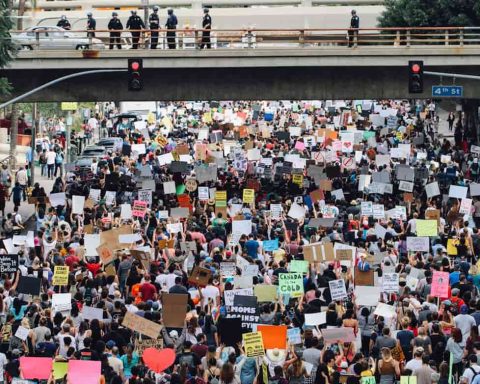
Public mourning ceremonies rapidly transitioned into widespread protests as crowds gathered in key areas of Tehran. Citizens carried portraits of the deceased leaders, chanting slogans that reflected both sorrow and defiance.
The streets became a focal point for collective emotion, where grief blended with frustration over ongoing conflict. Demonstrators expressed concerns about national security, sovereignty, and the broader direction of the country amid increasing external pressure.
The scale of participation highlights how deeply these events have resonated across different segments of society, turning mourning into a powerful public statement.
Israeli Strikes Spark Immediate Escalation
The catalyst for Tehran protests today was a series of Israeli strikes reportedly targeting strategic locations linked to Iran. The deaths of Larijani and Soleimani have been perceived as a direct challenge to Iran’s leadership and influence.
Officials in Tehran have condemned the strikes, signaling that such actions will not go unanswered. The situation has already triggered heightened military readiness, with both sides appearing to prepare for further developments.
This escalation has significantly raised the stakes, increasing fears that isolated incidents could expand into a broader regional conflict.
Security Presence Expands Across the Capital
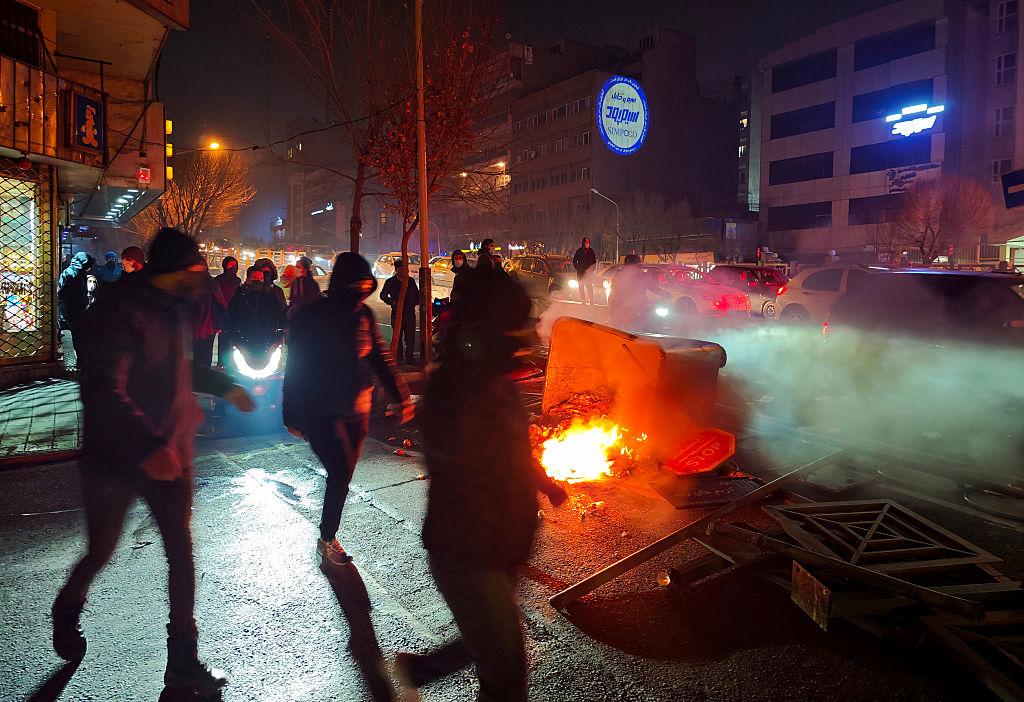
As Tehran protests today continue, security forces have increased their presence in major public areas. Authorities have deployed personnel to manage crowds and maintain order, particularly in locations where demonstrations have grown more intense.
While many protests have remained peaceful, reports of isolated confrontations have added to concerns about potential instability. The government’s response reflects the seriousness of the situation and its efforts to prevent further escalation within the city.
The visible security measures also serve as a reminder of the delicate balance between allowing public expression and maintaining control.
Political Pressure Builds on Leadership
The deaths of key figures and the resulting protests have placed significant pressure on Iran’s leadership. Officials are now navigating a complex situation that requires both a strategic response to external threats and careful management of internal dynamics.
Public expectations are rising, with many calling for decisive action. At the same time, leaders must consider the broader implications of any response, particularly in a region already marked by tension.
The current crisis underscores the challenges of leadership during periods of uncertainty and conflict.
Regional and Global Reactions Intensify
The developments in Tehran have captured international attention, with governments and global organizations closely monitoring the situation. Calls for restraint have emerged as concerns grow about the potential for further escalation.
The Middle East remains a critical region for global stability, and events unfolding in Iran are likely to have far-reaching implications. Energy markets, trade routes, and diplomatic relations are all sensitive to shifts in the region.
As Tehran protests today continue, the international community remains focused on preventing a broader crisis.
Public Sentiment Reflects Fear and Defiance
Among the people of Tehran, emotions are running high. Many citizens have expressed grief over the loss of influential figures, while others have voiced frustration with the ongoing conflict and its impact on daily life.
The protests reveal a complex mix of perspectives, with some calling for strong national defense and others urging caution to avoid further escalation. This diversity of opinion reflects the broader challenges facing Iranian society at this moment.
Despite uncertainty, the demonstrations indicate a population actively engaged in shaping the national response.
Historical Context Shapes Current Crisis
The current unrest is rooted in a long history of tension between Iran and Israel, characterized by political rivalry and periodic conflict. These historical dynamics continue to influence both public sentiment and government strategy.
Previous incidents have often followed similar patterns of escalation, creating cycles that are difficult to break. The present situation appears to be another chapter in this ongoing narrative, with significant implications for the future.
Understanding this context is essential to grasp the full scope of Tehran protests today and their potential consequences.
Economic Concerns Begin to Emerge
Beyond the immediate political and security implications, the crisis is beginning to impact economic conditions. Market volatility and uncertainty are affecting both domestic and international outlooks.
Businesses and investors are closely watching developments, aware that prolonged instability could disrupt economic activity. The situation also raises concerns about supply chains and energy markets, which are closely tied to the region.
These economic factors add another layer of complexity to an already challenging situation.
Defining Words of a Nation at a Crossroads
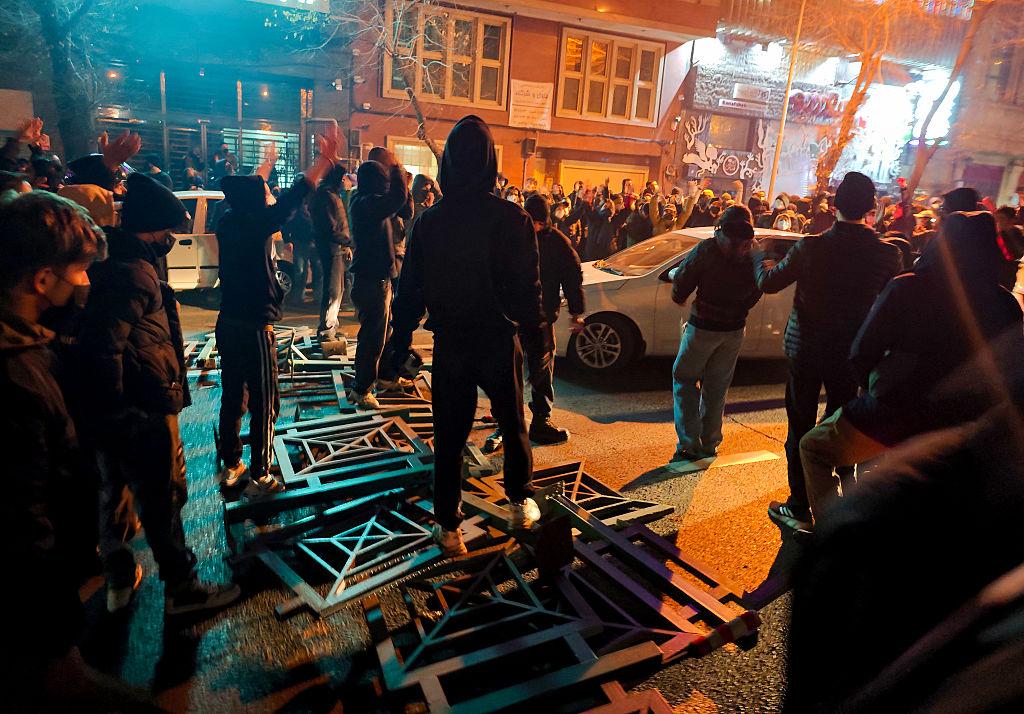
“This is a turning point not only for Iran but for the entire region, where every decision made now could shape the future for years to come.”
What Lies Ahead for Tehran and the Region
The path forward remains uncertain as Tehran protests today continue to evolve. The coming days will be critical in determining whether tensions can be contained or whether they will escalate further.
Key factors to watch include political decisions, military developments, and international involvement. Each of these elements has the potential to influence the direction of the crisis.
For now, Tehran stands at the center of a rapidly unfolding situation that carries significant implications for both regional and global stability.
Breaking Point Snapshot
Tehran protests today have erupted following deadly Israeli strikes that killed key Iranian leaders, sparking widespread unrest and global concern. As tensions escalate and uncertainty grows, the crisis is shaping into a pivotal moment that could redefine stability in the Middle East in 2026.