Political tensions are rising inside the British government as senior ministers reportedly demand leadership clarity from Prime Minister Keir Starmer.
The growing UK prime minister pressure debate has intensified ahead of a crucial cabinet meeting in London.
Analysts warn the outcome could reshape Britain’s political direction heading into the next election cycle.
LONDON, United Kingdom (Parliament Politics Magazine) UK prime minister pressure is rapidly escalating across Westminster as senior cabinet ministers reportedly demand greater clarity about the future leadership direction of the Labour government. Political tensions surrounding Prime Minister Keir Starmer have intensified ahead of a critical cabinet meeting expected to shape Britain’s political landscape in the coming months.
The growing UK prime minister pressure debate comes as Labour officials face mounting concerns over economic performance, immigration policy disputes, declining approval ratings, and increasing public frustration across the country. Government insiders suggest several ministers are privately urging the prime minister to outline a longer-term leadership strategy to stabilize the administration before the next election cycle.
Political analysts say the cabinet session could become one of the most important meetings since Labour returned to power.
“Governments survive on confidence and unity,”
one Westminster analyst stated.
“When ministers begin publicly signaling concerns, the political risks increase significantly.”
| Category | Current Situation |
|---|---|
| Prime Minister | Keir Starmer |
| Main Political Issue | Leadership stability |
| Key Topic | Cabinet pressure and succession discussions |
| Government Focus | Economy, immigration, public confidence |
| Political Location | Westminster, London |
| Public Concern | Cost of living and leadership uncertainty |
| Major Political Risk | Internal Labour divisions |
| Election Outlook | Increasing scrutiny before future national vote |
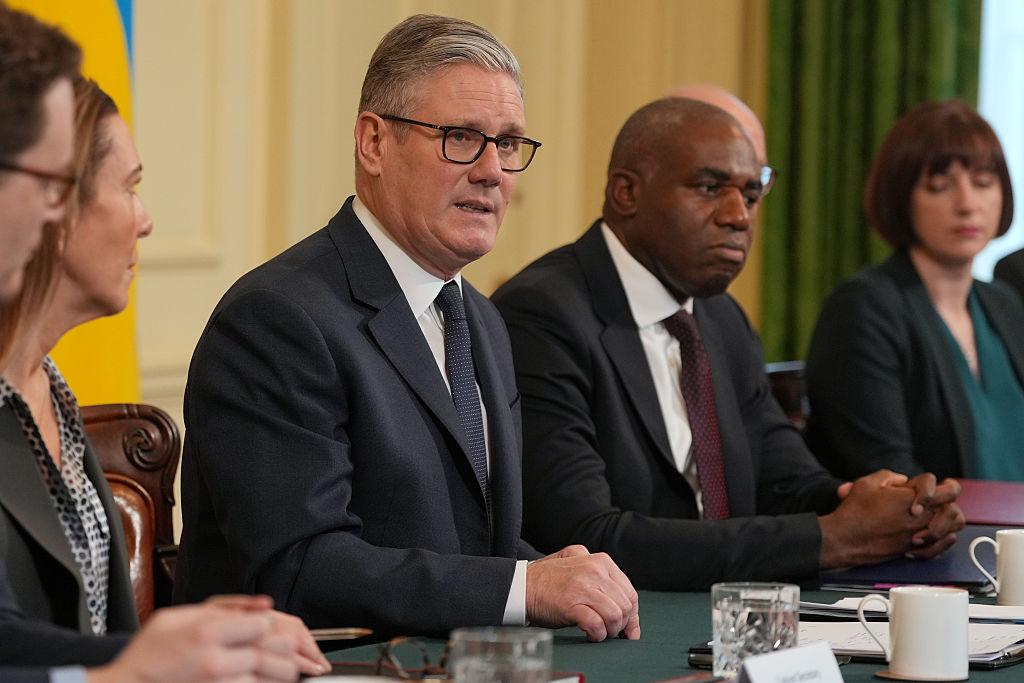
Cabinet Meeting Becomes Major Political Test
The upcoming cabinet meeting has quickly evolved into a major political test for the Labour government. Reports from Westminster suggest ministers are increasingly divided over how the administration should address ongoing leadership concerns.
The growing UK prime minister pressure situation reflects deeper anxiety inside government ranks about the party’s long-term political strategy. Several Labour MPs reportedly fear uncertainty around leadership could weaken voter confidence during a period already marked by economic instability and public frustration.
While Starmer continues publicly emphasizing unity and policy priorities, behind closed doors discussions surrounding political succession have reportedly intensified.
Officials close to government leadership insist the cabinet remains focused on governing priorities rather than leadership disputes. However, ongoing leaks from Westminster continue fueling speculation about possible future transitions.
Political commentators say the next few weeks could prove critical for Labour’s stability.
Economic Challenges Increase Government Scrutiny
Britain’s economy remains one of the biggest factors driving the current political tensions. Inflation concerns, public spending debates, and weak economic growth have placed additional strain on the government.
The ongoing UK prime minister pressure discussion has become closely connected to public concerns about economic leadership and long-term financial planning. Business leaders and market analysts are closely monitoring the situation for signs of instability.
Recent economic data has increased criticism from opposition parties, who argue Labour has struggled to deliver the economic improvements many voters expected.
At the same time, government supporters argue Britain continues facing broader global economic pressures that extend beyond domestic leadership issues.
“Economic uncertainty always magnifies political divisions,”
a London-based economist explained.
“Markets and voters both look for confidence from leadership during difficult periods.”
The Labour administration has continued defending its economic policies, insisting long-term recovery strategies require time to produce measurable results.
Immigration Policies Fuel Internal Tensions
Immigration policy disagreements have also contributed to rising political friction inside the government. Several ministers are reportedly frustrated by growing criticism surrounding border management and asylum policies.
The expanding UK prime minister pressure debate now includes concerns about whether the government has delivered consistent messaging on national security and immigration enforcement.
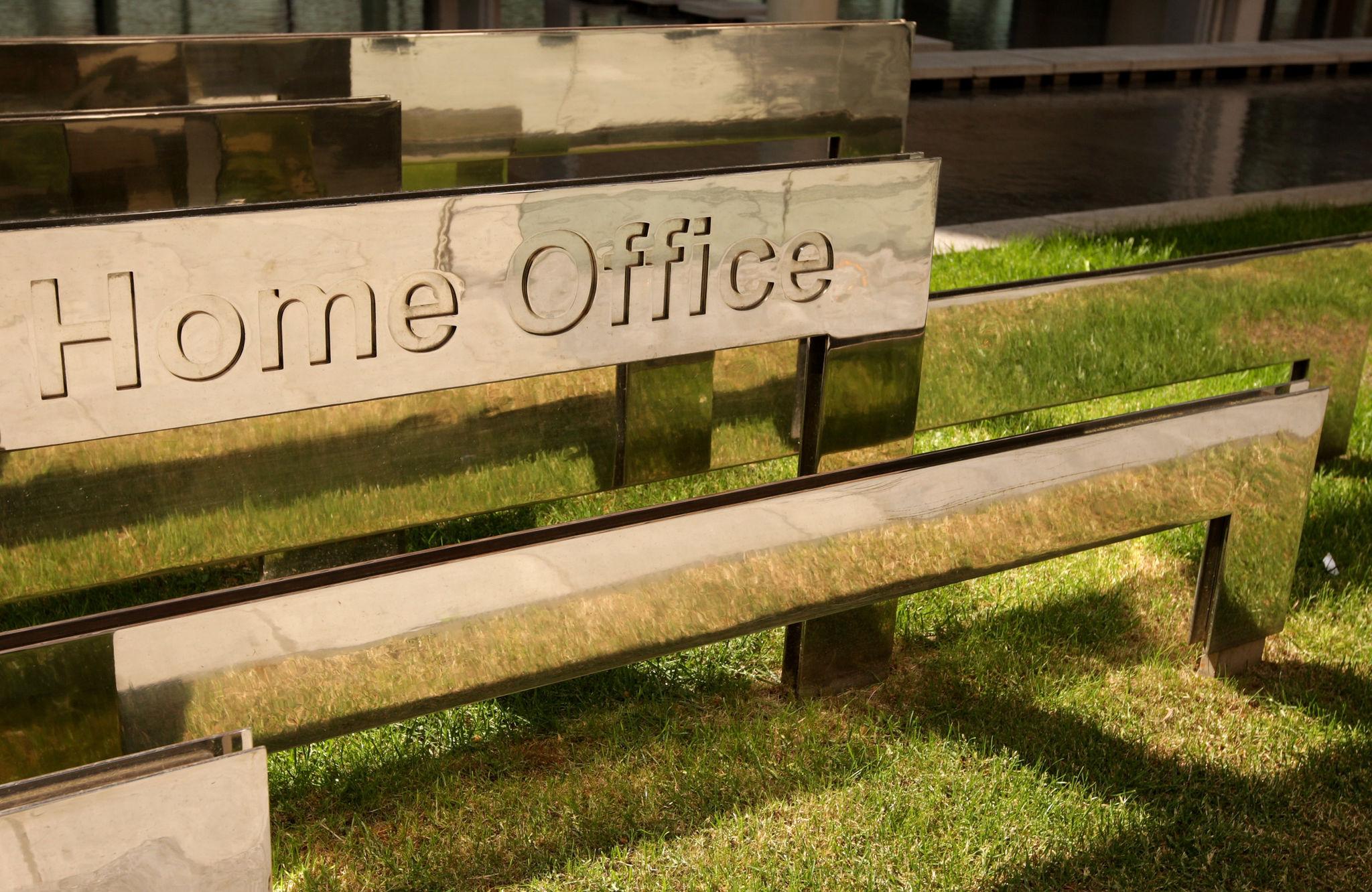
The home secretary’s reported involvement in leadership discussions has added further significance to the issue. Analysts say when senior security officials begin signaling political concerns publicly or privately, it often reflects broader cabinet instability.
Public opinion surveys indicate immigration remains one of the most politically sensitive topics across Britain in 2026.
Opposition leaders have used the situation to accuse Labour of lacking policy consistency, while Labour officials argue the government is balancing humanitarian obligations with border security responsibilities.
Labour Party Divisions Become More Visible
Internal divisions inside the Labour Party are becoming increasingly difficult to contain as ministers, MPs, and advisers debate the government’s future direction.
The continuing UK prime minister pressure situation has exposed tensions between party members supporting Starmer’s leadership and those favoring long-term transition planning.
Political insiders suggest Labour currently faces three major factions:
- Officials fully supporting Starmer’s continued leadership
- Ministers requesting a leadership transition timeline
- MPs quietly encouraging future succession planning
These divisions are creating uncertainty across Westminster as political observers speculate about possible future leadership contenders.
Despite the tensions, Labour leaders publicly continue presenting a united front while emphasizing policy achievements and economic recovery goals.
Historical Leadership Challenges in British Politics
British politics has a long history of internal leadership struggles during difficult governing periods. From economic crises to public dissatisfaction, prime ministers have frequently faced mounting internal pressure from their own parties.
The current UK prime minister pressure debate reflects similar patterns seen throughout modern British political history. Leadership uncertainty often intensifies when governments face economic challenges, declining approval ratings, and internal policy disagreements.
Previous governments from both Labour and Conservative parties experienced similar moments where cabinet ministers sought greater clarity about long-term leadership strategies.
Historians note that leadership transitions can either stabilize governments or deepen political instability depending on how they are managed.
“British politics has always been shaped by leadership confidence,”
one political historian explained.
“Once internal pressure becomes public, the political environment changes rapidly.”
This historical context explains why the current cabinet discussions are receiving such intense national attention.
Public Confidence Remains Central Concern
Public confidence now sits at the center of Britain’s growing political debate. Rising living costs, concerns about public services, and economic pressures continue shaping voter frustration.
The ongoing UK prime minister pressure situation reflects wider public concerns about whether the government can maintain stability during a difficult period.
Recent polling trends reportedly show increasing voter dissatisfaction with political leadership across multiple parties. Analysts believe prolonged leadership uncertainty could create additional challenges for Labour before future elections.
Government officials insist policy reforms remain the administration’s top priority, but critics argue internal political tensions are distracting ministers from key national issues.
Westminster observers believe public perception over the next several months could determine whether Labour stabilizes politically or faces deeper internal challenges.
International Allies Monitor Political Developments
Britain’s international allies are also closely watching the political developments unfolding in London. As one of Europe’s largest economies and a major NATO member, leadership uncertainty inside the British government carries international significance.
The rising UK prime minister pressure discussions have attracted attention from global financial markets, diplomatic partners, and foreign investors concerned about political continuity.
Analysts say allies generally prefer stable leadership structures, especially during periods of global economic uncertainty and geopolitical tensions.
Despite domestic political debates, Britain continues maintaining active international engagement on economic, defense, and diplomatic matters.
What Could Happen Next?
Political analysts believe several possible outcomes may emerge following the cabinet meeting:
- Public reaffirmation of Starmer’s leadership
- Internal agreement on future transition planning
- Cabinet reshuffling discussions
- Continued political uncertainty inside Labour ranks
Regardless of the immediate outcome, the UK prime minister pressure debate is expected to remain a dominant political issue throughout 2026.
Some Labour supporters believe Starmer still provides stability during a difficult period, while critics argue fresh leadership could improve public confidence before the next national election.
The political tensions surrounding Keir Starmer highlight the growing challenges facing Britain’s Labour government in 2026. Economic uncertainty, immigration debates, declining approval ratings, and internal divisions have combined to create significant pressure across Westminster.
As the cabinet prepares for a pivotal meeting, the broader UK prime minister pressure debate now represents more than a leadership discussion. It has become a larger test of political stability, public confidence, and Labour’s ability to maintain unity during a difficult governing period.
The coming weeks may ultimately determine whether Labour can stabilize its leadership position or whether Britain enters a prolonged period of political uncertainty ahead of future elections.